TSX Venture Exchange|Ticker Symbol: BGF

Beauce Gold Projects

Canada's First Gold Rush Re-Evaluated for Both Paleoplacer Gold and Bedrock Saddle-Reef Gold.

Follow|

Two Distinct but Related Gold Opportunities on One Property

A historically mined paleoplacer channel with modern evaluation potential, and an emerging Saddle Reef bedrock-source discovery directly linked to the placer system.

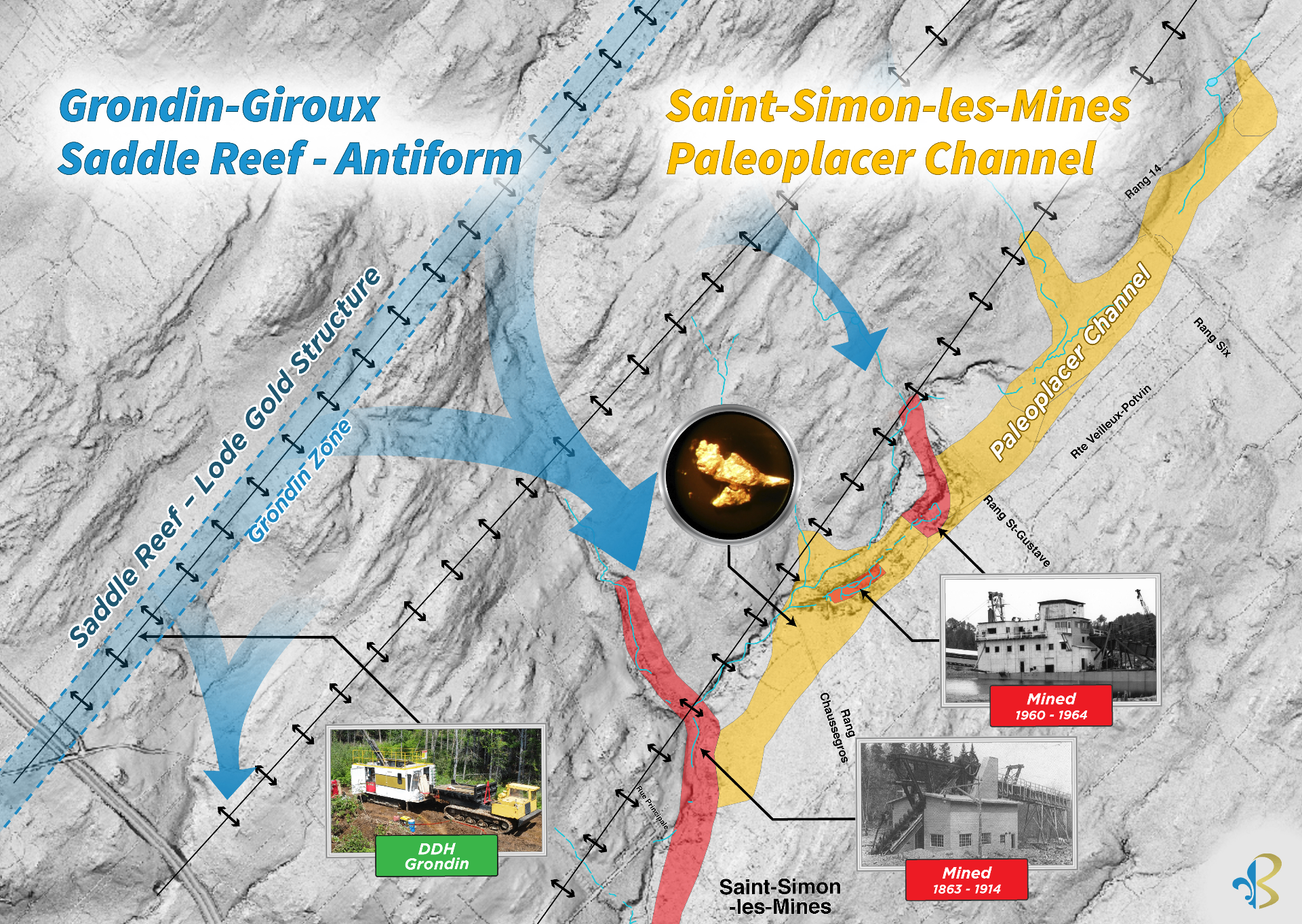
Grondin–Giroux Saddle Reef Antiform and Saint-Simon-les-Mines Paleoplacer Channel map
1
Historical Paleoplacer Channel
Saint-Simon-les-Mines
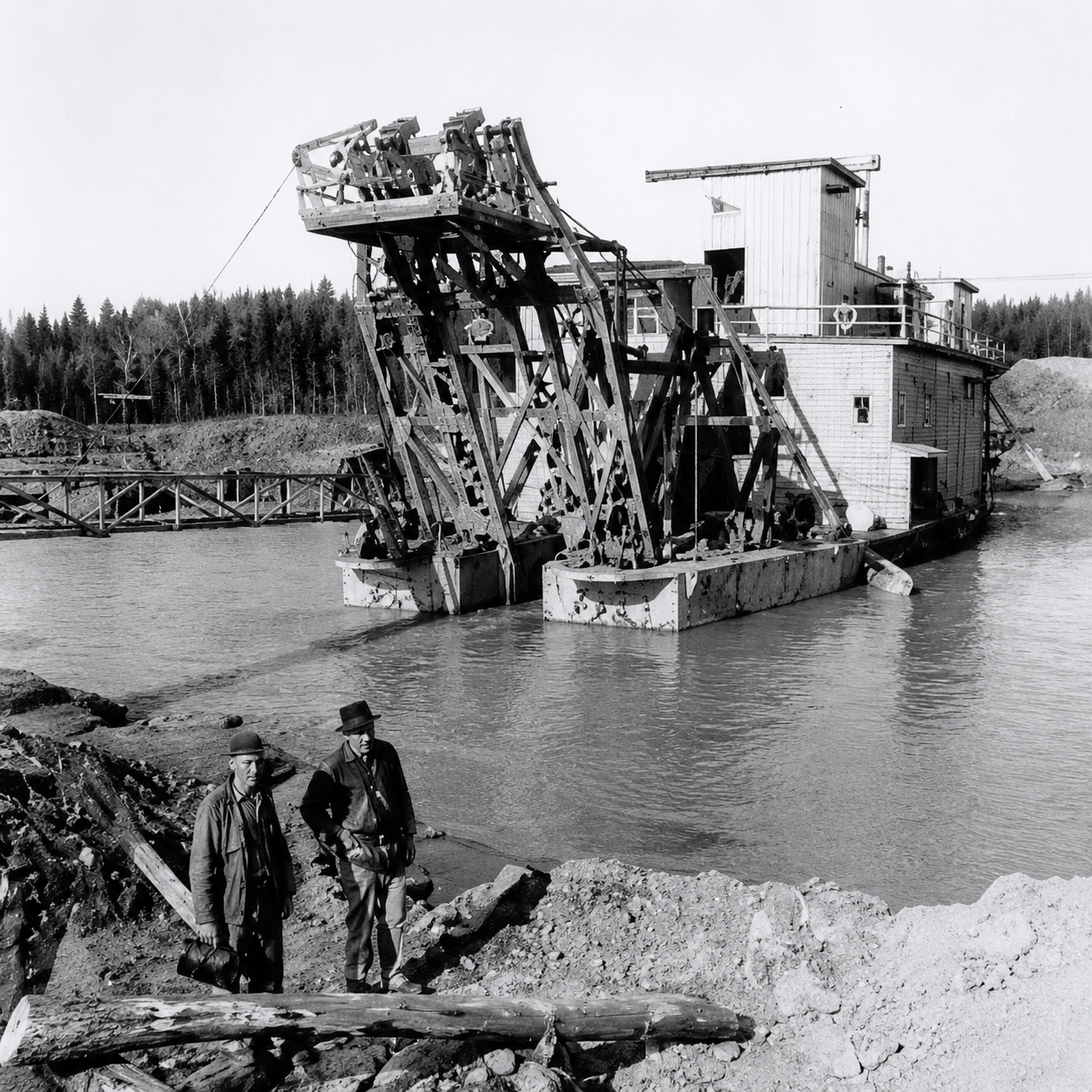
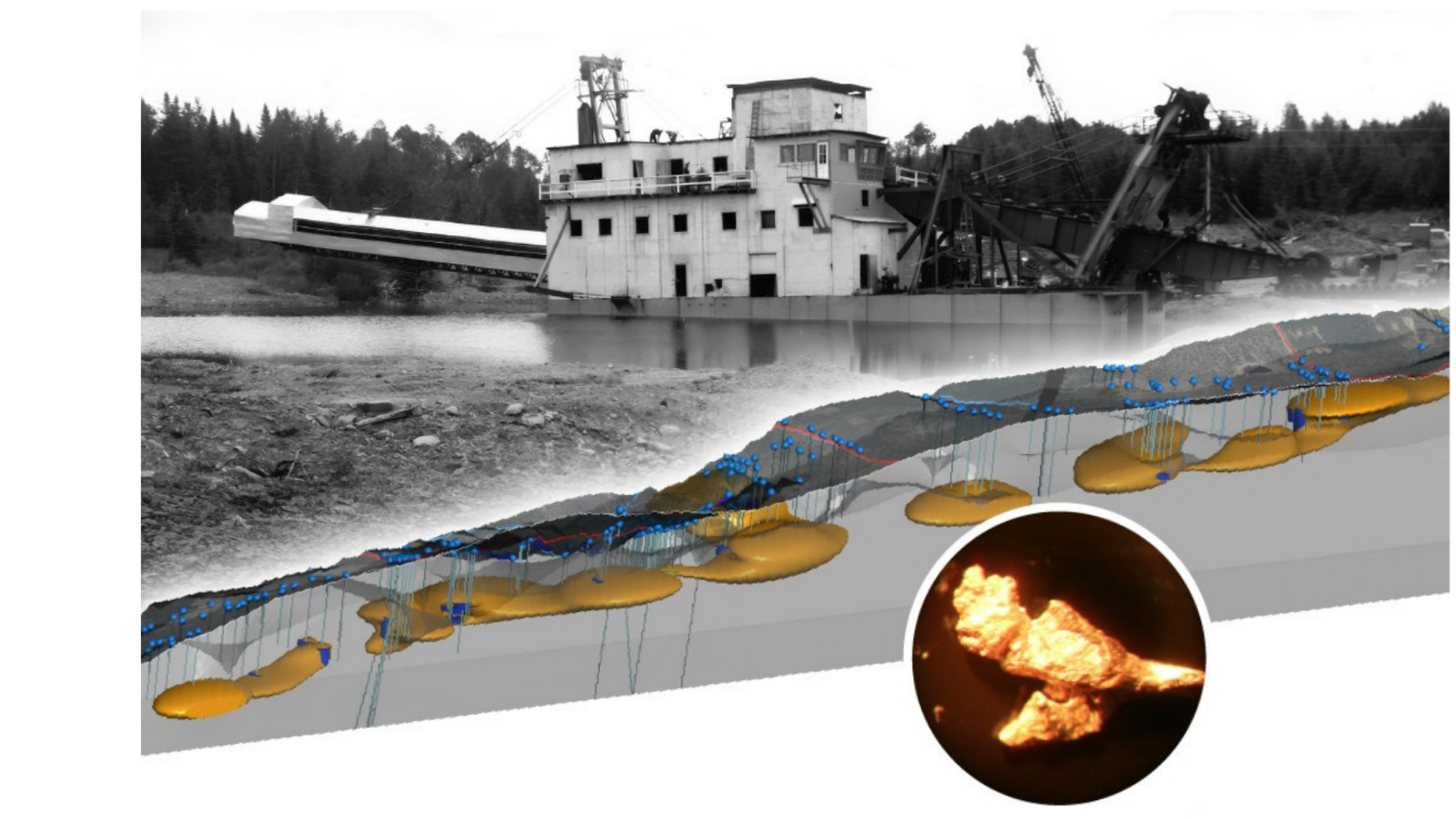
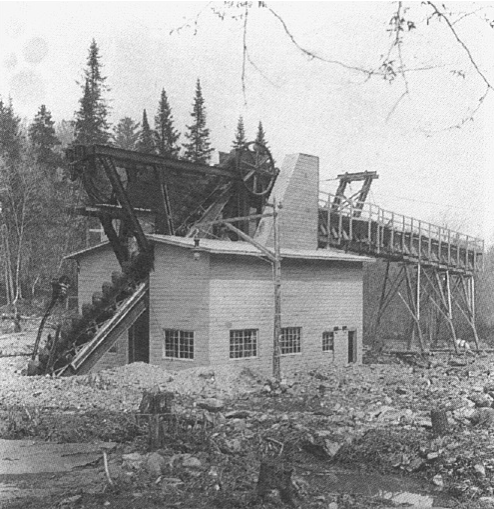
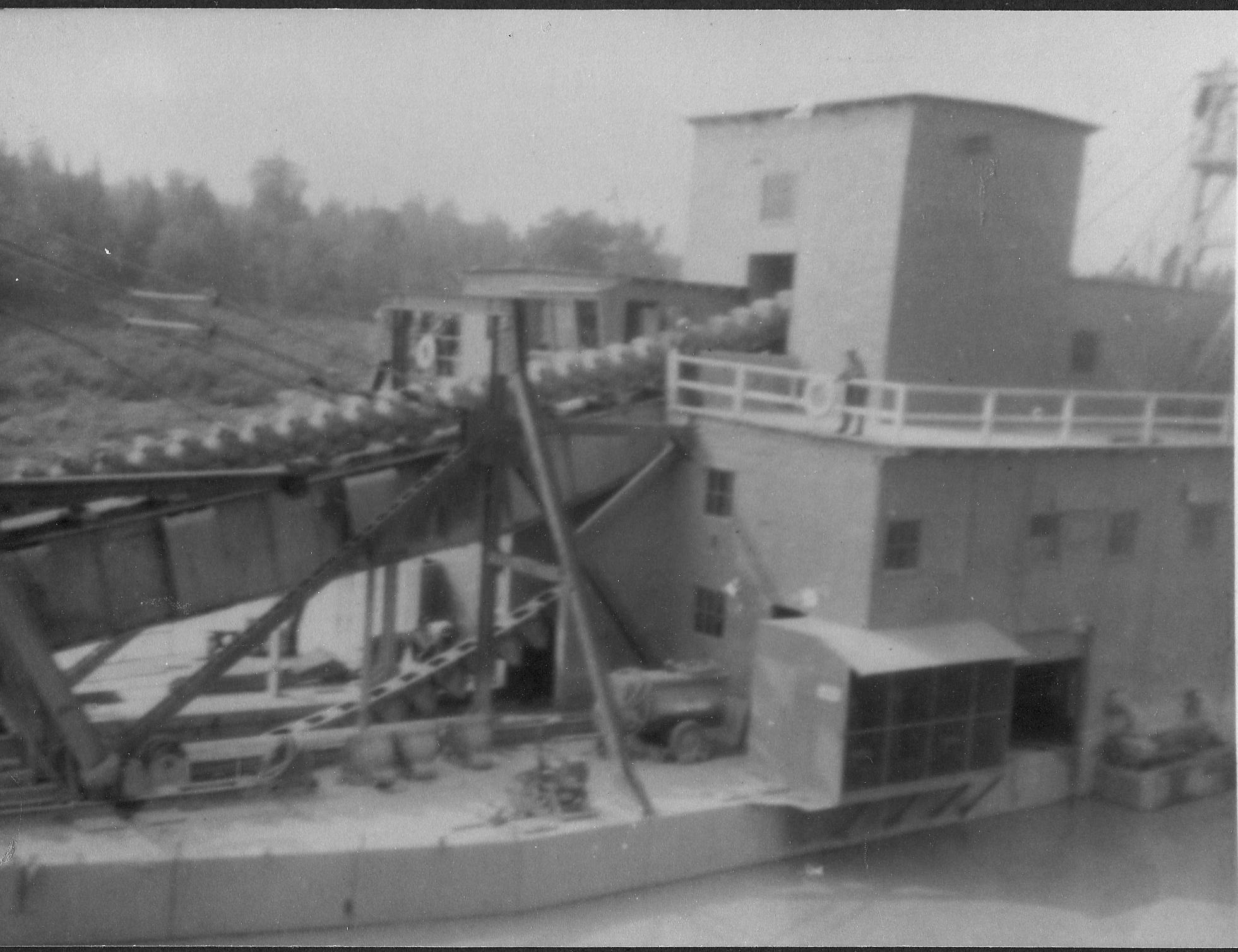
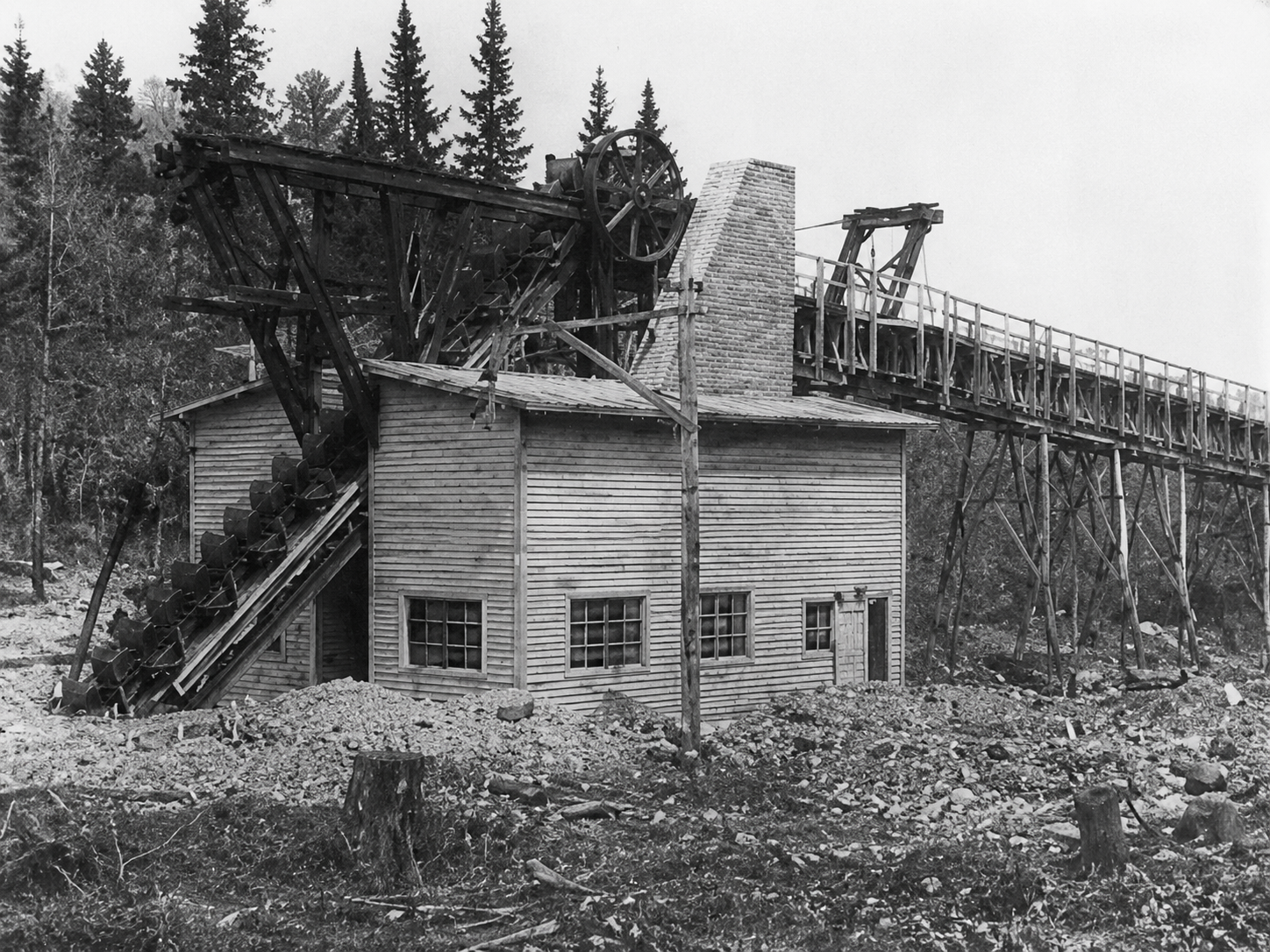
Saint-Simon-les-Mines historic mine buildingSaint-Simon-les-Mines historic dredge
  • Historical placer mining 1847–1960 (~6 km of underground workings)
  • Auriferous till & saprolite channel covered by thick glacial till
  • Coarse gold & nuggets recovered historically
  • Updated Exploration Target (2025): 3.86M m³ @ 0.81 – 4.9 g Au/m³*
  • Sonic drilling & seismic refraction authorized (ATI-703 & ATI-704) to April 21, 2028
Potential Path: Evaluate Placer Mining
2
Bedrock / Lode Source
Grondin–Giroux Antiform
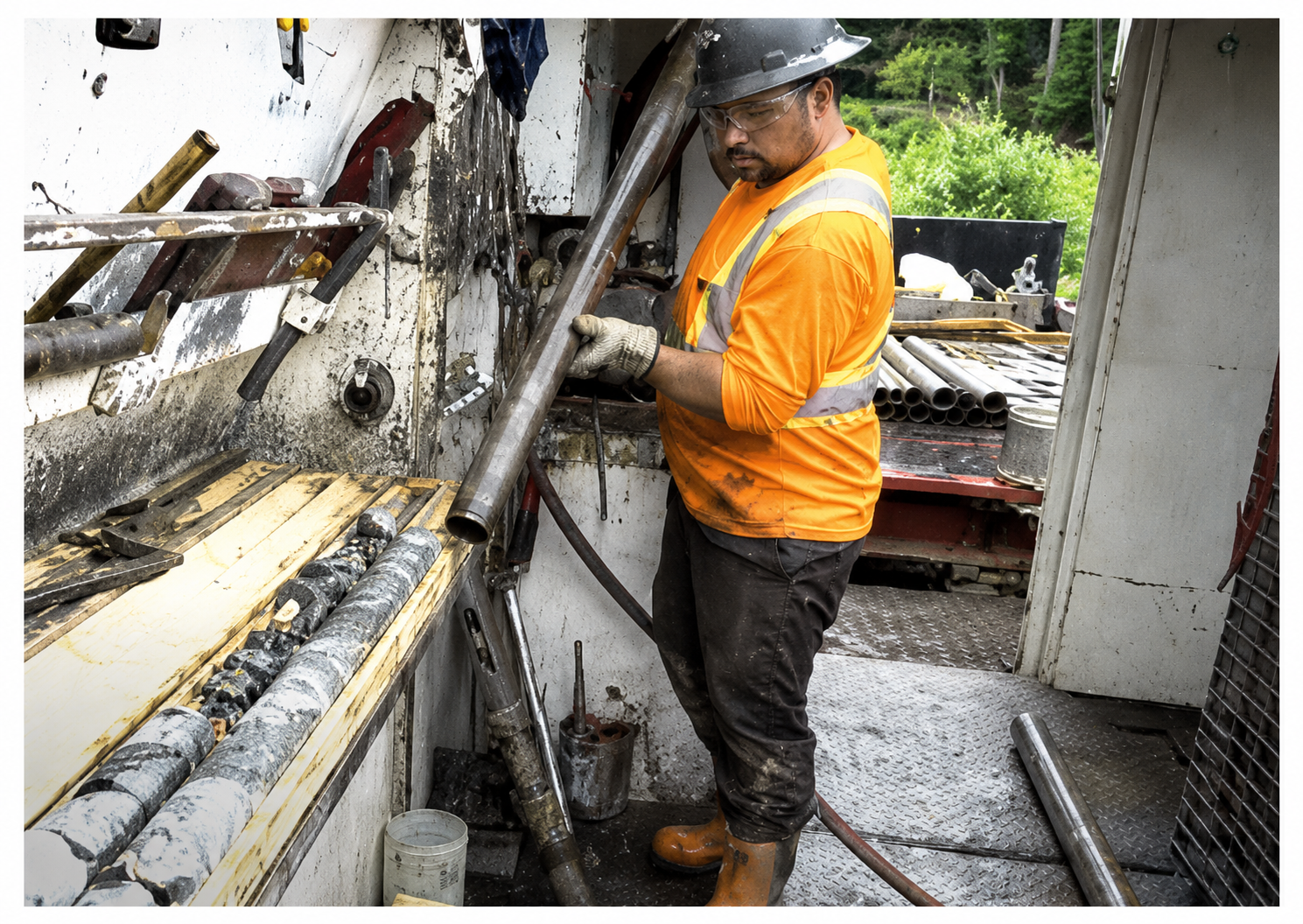
Bedrock drill core
  • Saddle Reef antiform structure
  • Mineralization traced ~4 km, Antiform corridor ~8 km
  • 2025 drilling up to 5.2 g/t Au
  • 88% drill-hole hit ratio in 2025 (15 of 17 holes)
  • Strong IP chargeability & soil anomalies
  • Grassroots discovery potential
Potential Path: Grassroots Lode Discovery

Beauce Gold Project at a Glance

~120 km²
Land Package
6 km
Historical Placer Channel
~4 km
Mineralized Trend (Grondin)
~8 km
Antiform Corridor
175
Acres

Latest Milestones

Mar 2025
Exploration Target
3.86M m³ @ 0.81–4.9 g Au/m³* (Placer Channel)
May–Sep 2025
Grondin Zone Drilling
Up to 5.2 g/t Au; 88% hit ratio (15 of 17 holes)
Mar 2026
ATI-703 & ATI-704 Approved
Sonic drilling & seismic refraction authorized
May 2026
2026 Saddle Reef Drill Program
Commenced
Next
Results
Sonic drilling, seismic surveys & drilling

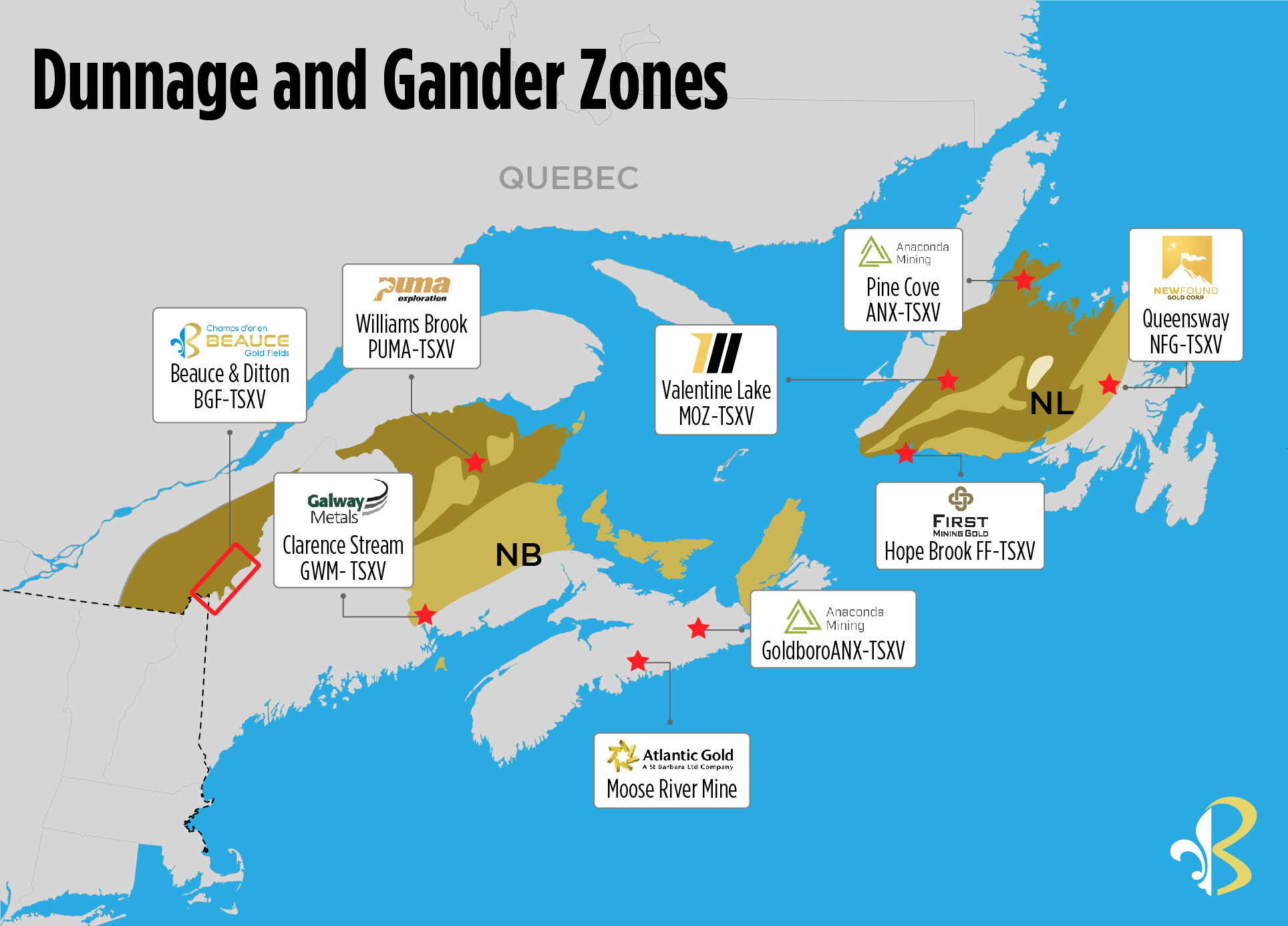
Geology — Dunnage and Gander Zones

Dunnage and Gander Zones map

The Beauce gold sector straddles two of the major tectonostratigraphic subdivisions of the Appalachians. The latter is the Gander zone to the northwest and that of Dunnage to the southeast.

Several large gold systems have been identified along this structural zone, including New Found Gold's Queensway gold project and Calibre's Valentine Lake Deposit in Newfoundland.

Historical Paleoplacer Channel

Saint-Simon-les-Mines Paleoplacer Gold Channel aerial map

The Saint-Simon-les-Mines paleoplacer channel forms the heart of the historic Beauce Gold district, the site of Canada's first gold rush, which predates the Klondike by nearly 50 years.

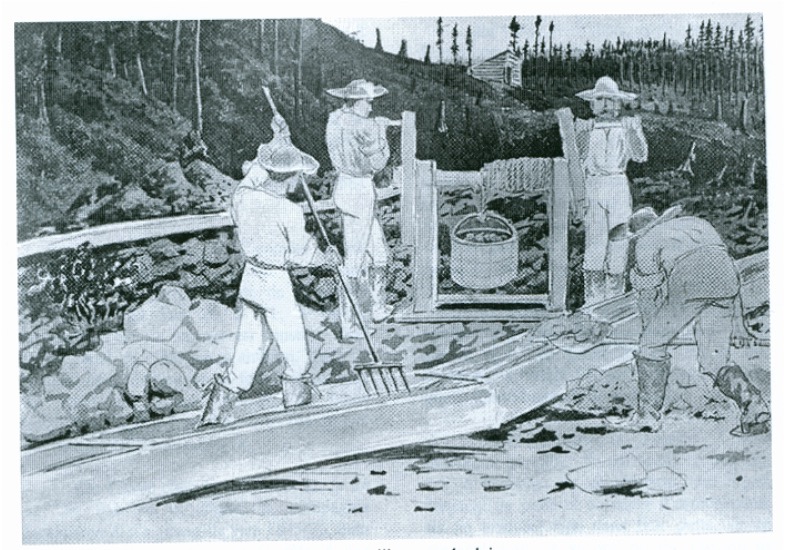
From the 1850s through the early 1900s, placer gold was mined extensively from underground workings and later by large-scale dredging operations during the 1960s. Historical records indicate that the Beauce hosted one of the largest placer gold districts in Eastern North America, producing coarse gold and numerous large nuggets.

Modern reinterpretation of the district by Beauce Gold Fields suggests the historical mining focused primarily on portions of a much larger auriferous paleoplacer system preserved beneath glacial overburden.

The Company's exploration has identified:

  • Auriferous saprolite
  • Gold-bearing basal till
  • Buried paleochannels
  • Bedrock paleovalleys
  • Multiple newly interpreted channel extensions

Recent 3D modelling, historical drill-log recovery, seismic interpretation and horizontal directional drilling (HDD) support the concept that the Saint-Simon paleoplacer system remains open laterally and at depth.

MetricValue
Historical placer districtLargest in Eastern North America
Historical workings~6 km underground tunnels, Dredging
Historical mining periods1847–1960
Updated Exploration Target3.86M m³
Grade Range0.81–4.9 g Au/m³
Historical drill logs recovered344
HDD result2.75 g/m³ Au

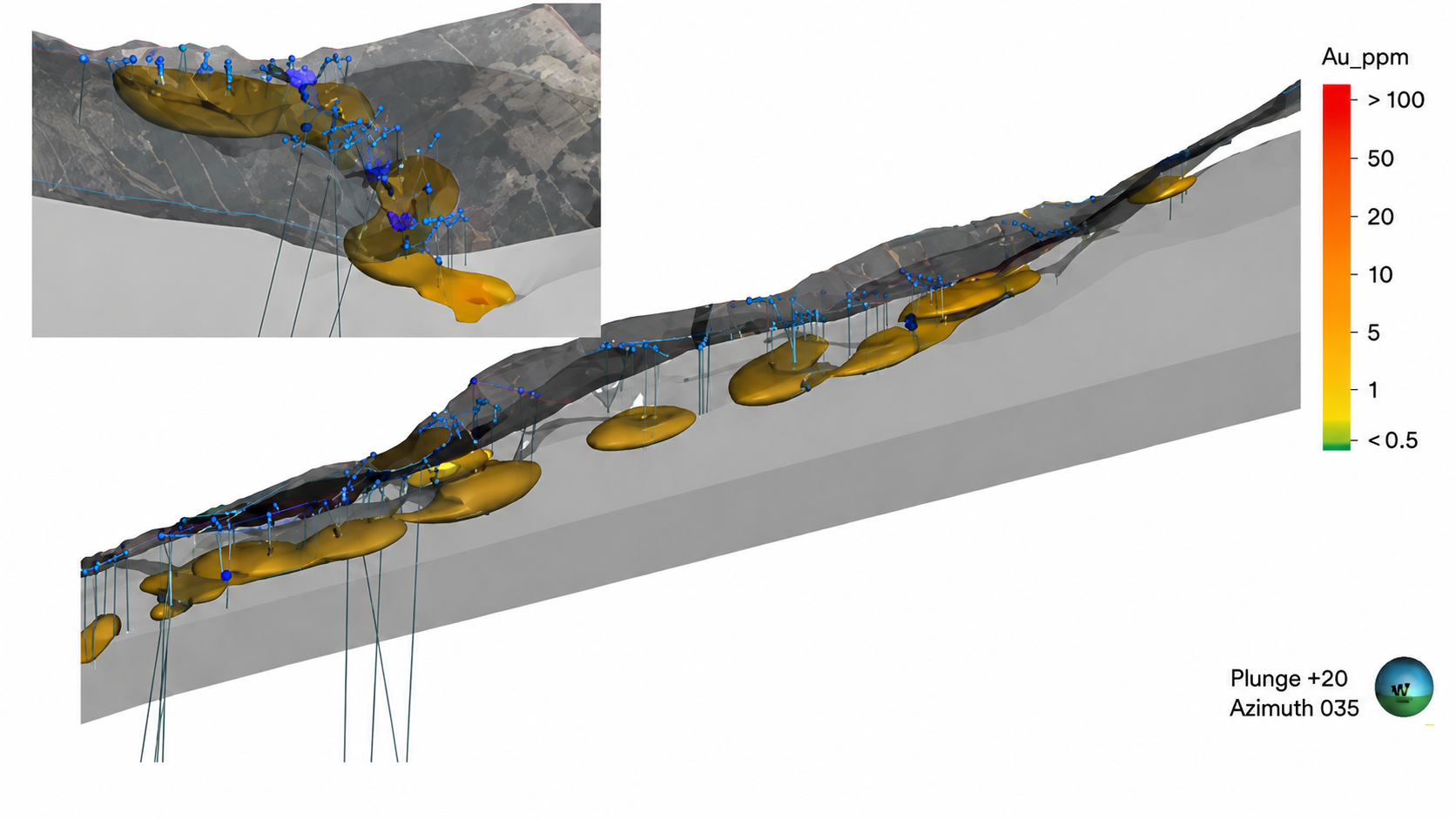
3D Paleoplacer Model / Exploration Target

3D paleoplacer model with drill hole traces and Au_ppm color scale

Historical Paleoplacer Drill Hole Highlights

HoleZone / TargetIntervalAu g/m³YearNotes
Loading…
Historical results compiled from prior operators. Intervals are downhole and not necessarily true thickness.

Recent 3D modelling, historical drill-log recovery, seismic interpretation and horizontal directional drilling (HDD) support the concept that the Saint-Simon paleoplacer system remains open laterally and at depth.
Based on historical drilling, geological modeling and recent reinterpretation work, the Company has outlined a conceptual Exploration Target for the Saint-Simon-les-Mines paleoplacer channel. The target is associated with auriferous saprolite and basal till horizons buried beneath overburden of the Gilbert River paleovalley. Historical placer production, including coarse gold and multi-ounce nuggets, suggests the system may be characterized by a strong nugget effect.

Paleoplacer Exploration Target
3.86 million m³ grading between 0.81 g Au/m³ and 4.9 g Au/m³

Historic Beauce Gold Was Naturally Alloyed With Silver

Historical placer production records from the Beauce district indicate the gold consistently contained significant silver content, matching modern analyses from the Grondin antiform system.

This chemical fingerprint provides additional evidence linking the historical placer deposits to the newly identified Saddle Reef antiform structures.

The Exploration Target is conceptual in nature. There has been insufficient exploration to estimate a Mineral Resource and it is uncertain if further exploration will result in the estimation of a Mineral Resource. See the Company's press releases dated May 2, 2025 and May 29, 2025 for full details.

Grondin–Giroux Antiform Corridor

Discovery of an Emerging Saddle Reef Gold System

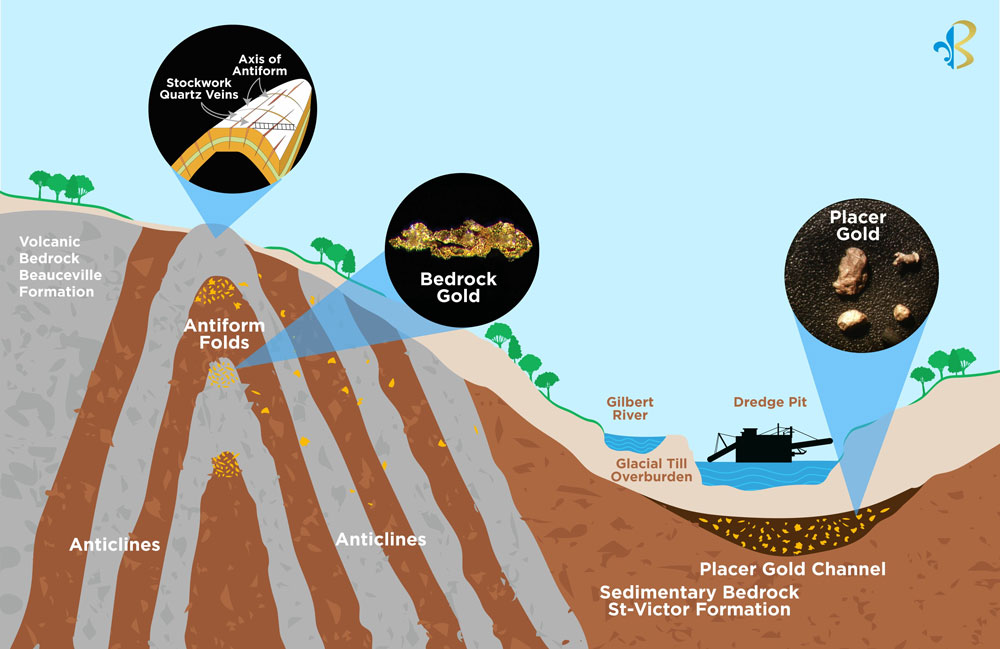
Saddle Reef antiform cross-section diagram

Beauce Gold Fields is the first company to systematically explore the bedrock source of the historic Beauce placer gold deposits.

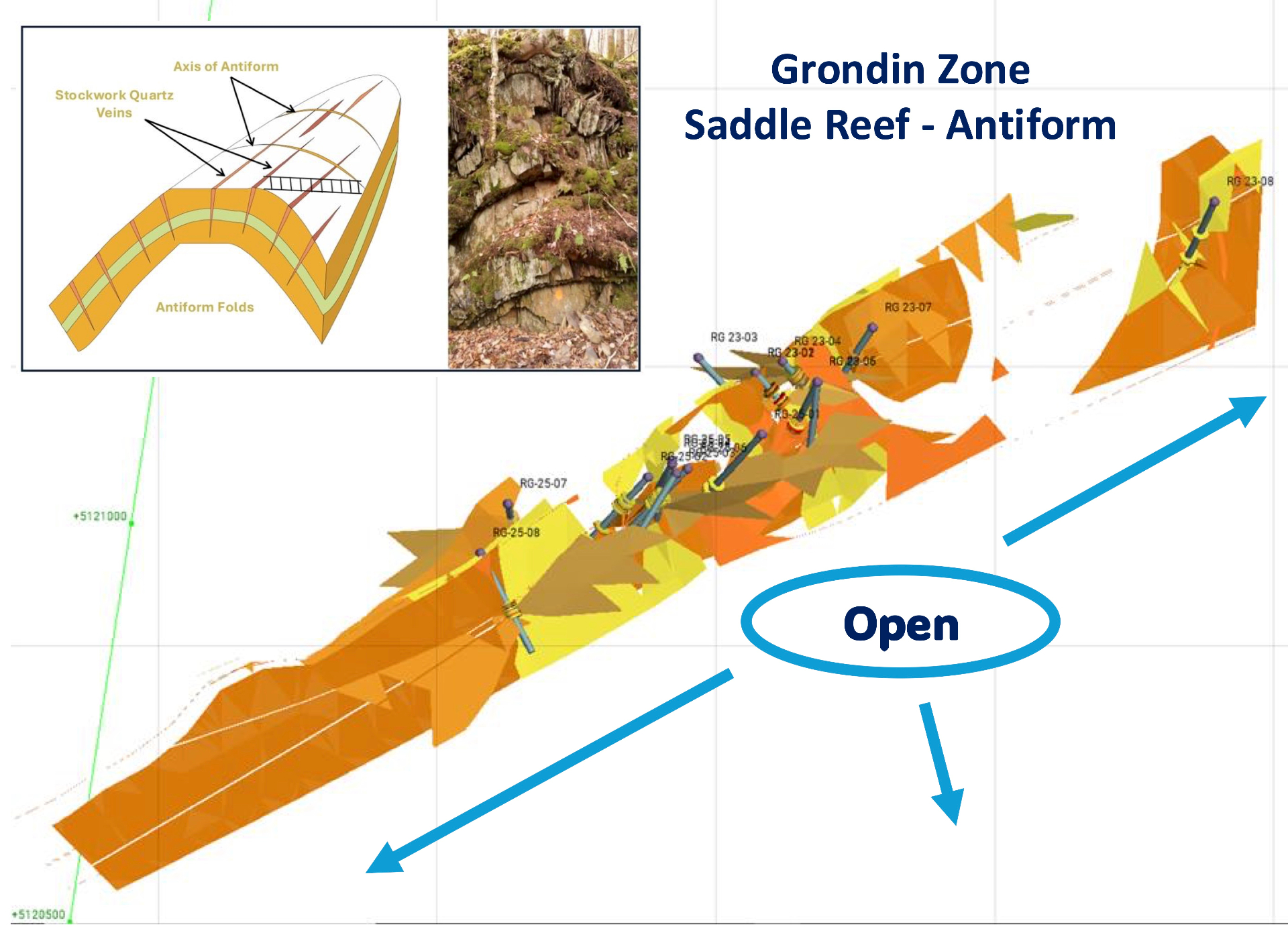
The Company's geological model proposes that coarse placer gold and nuggets originated from Saddle Reef-style mineralization associated with antiform fold structures and hydrothermal quartz stockworks.

Exploration programs including:

  • diamond drilling
  • induced polarization (IP)
  • soil geochemistry
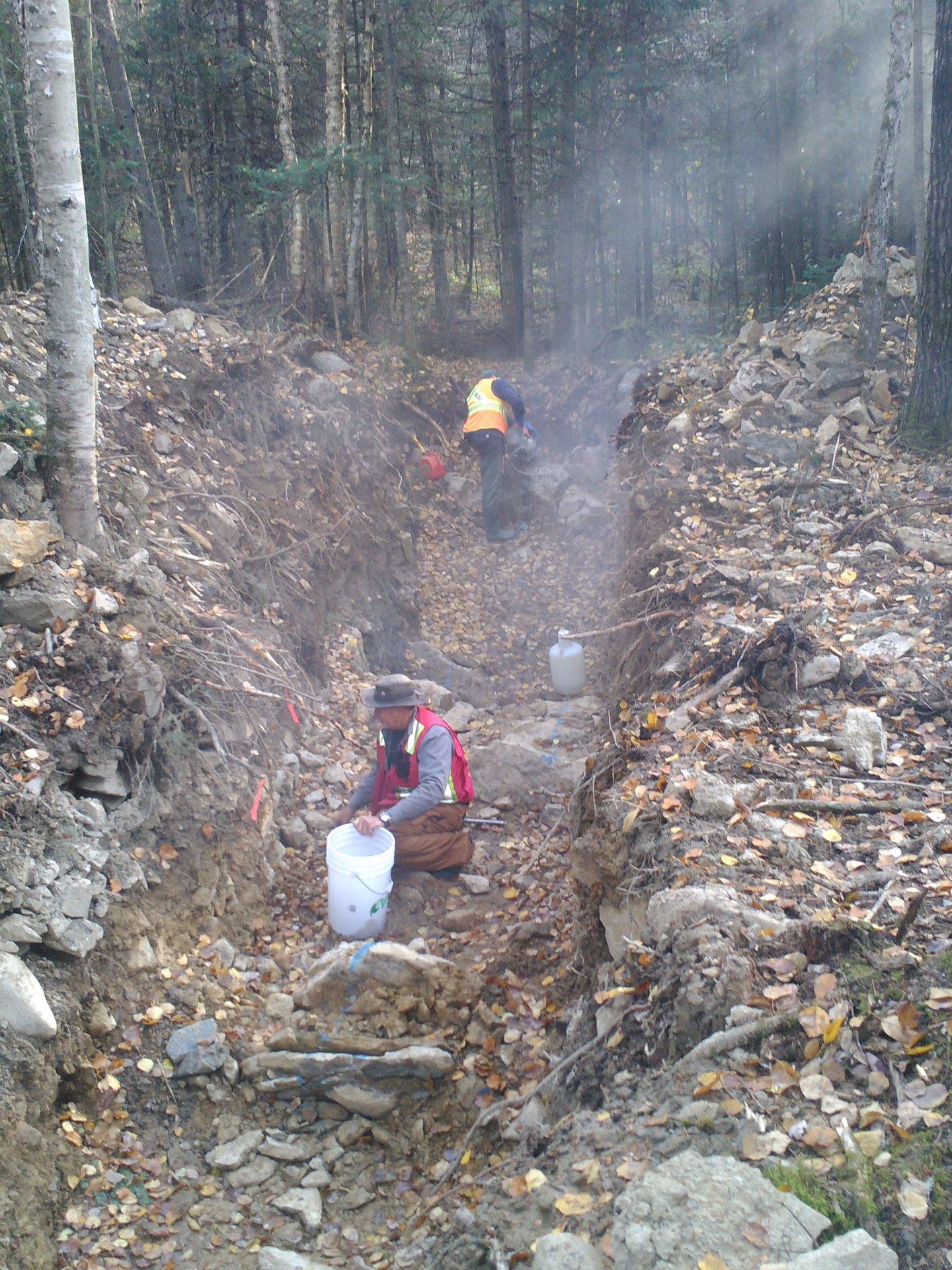
  • trenching
  • structural mapping
  • 3D modelling have identified a gold-bearing antiform corridor extending approximately 4 km, with geophysical and geological evidence suggesting a broader structural trend of up to 8 km.

Diamond drilling and trenching at the Grondin Zone confirmed gold mineralization within:

  • fold limbs
  • fold axis
  • stockwork quartz veins
  • hydrothermal breccias
  • fault zones
  • Bulk sampled gold grains average ~15% silver content
  • Silver anomalies also identified in drill core mineralization

The geological setting shares similarities with Saddle Reef systems such as Bendigo, Australia.

The Exploration Target is conceptual in nature. There has been insufficient exploration to estimate a Mineral Resource and it is uncertain if further exploration will result in the estimation of a Mineral Resource. See the Company's press releases dated May 2, 2025 and May 29, 2025 for full details.

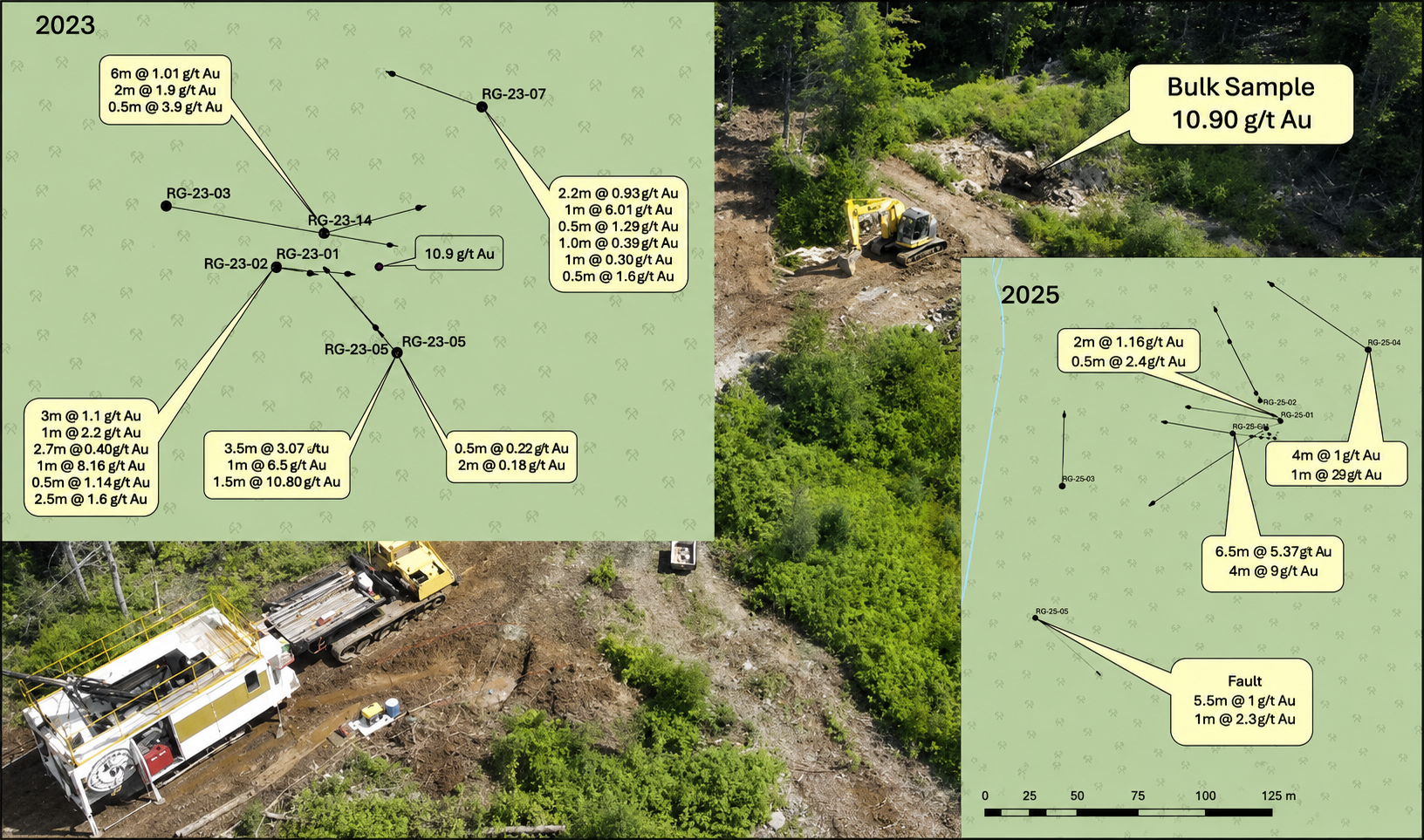
2023–2025 Drill Program Highlights

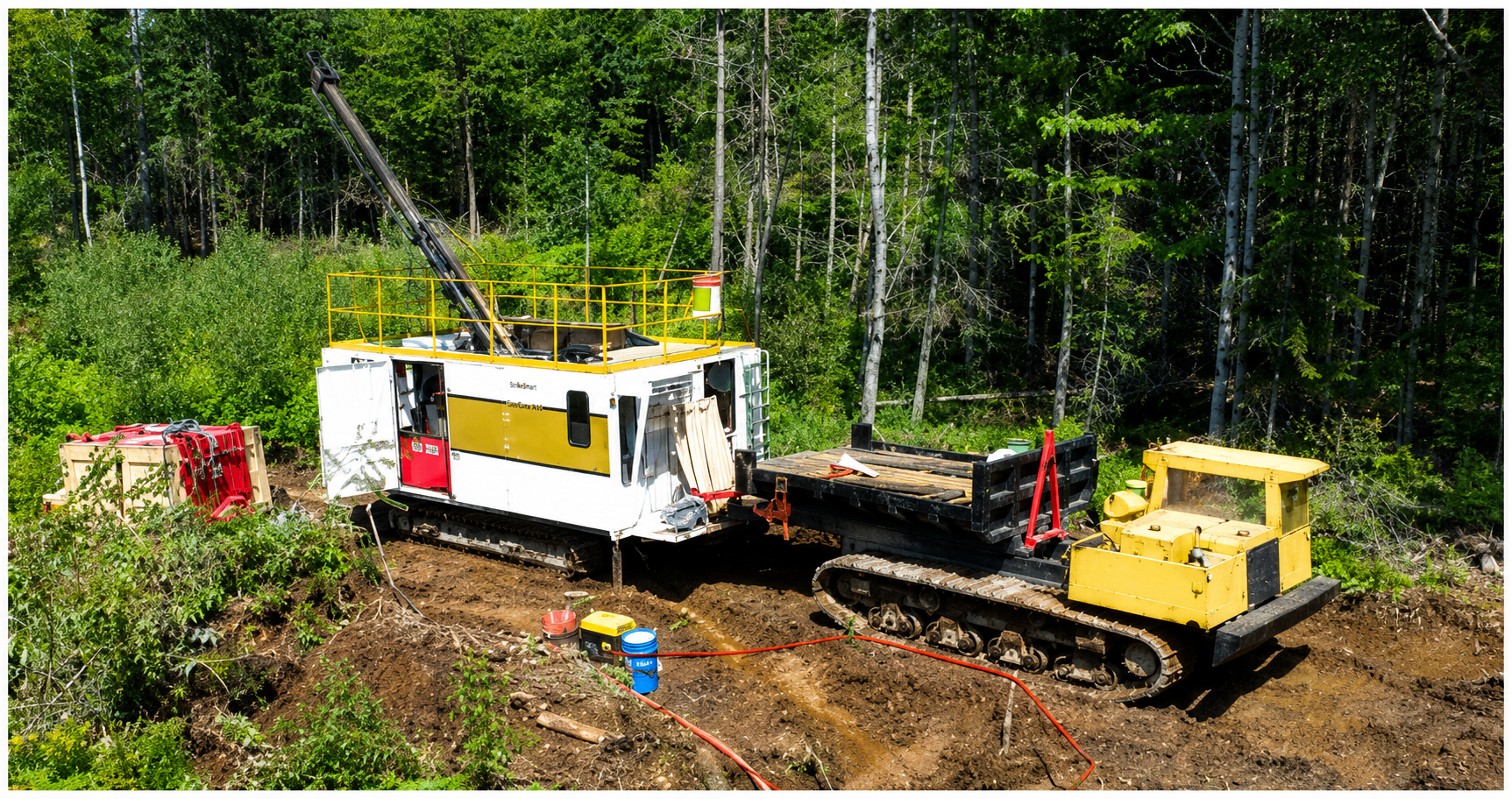
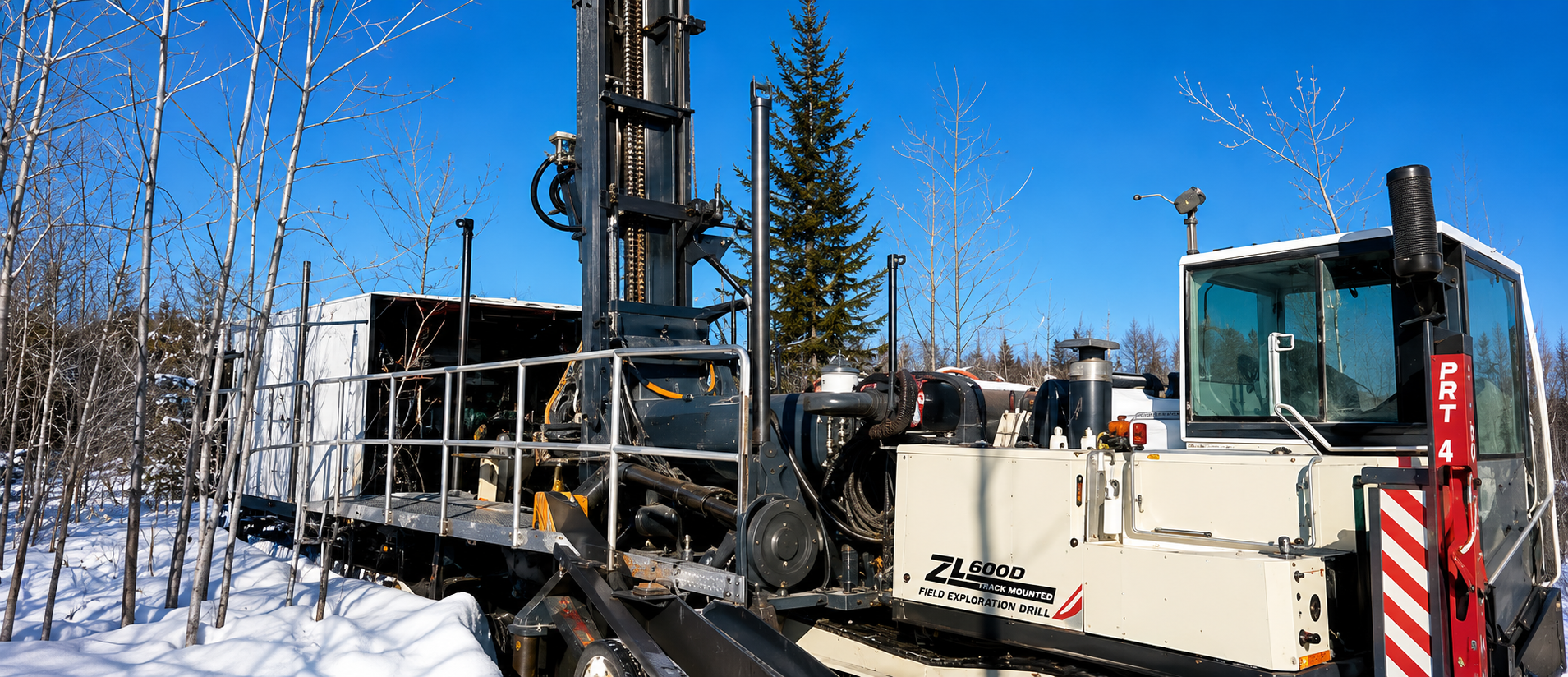
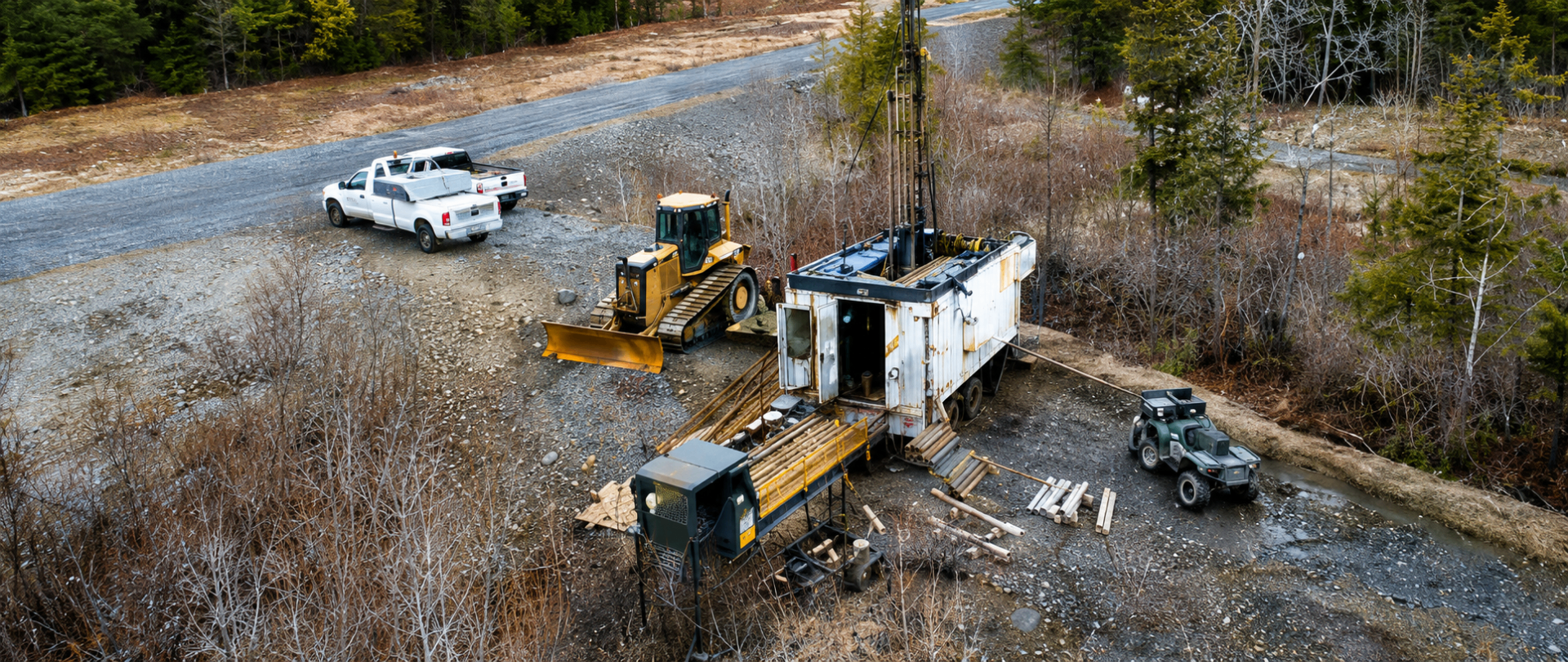
Drill core technicianDrill rig in field
2023 & 2025 drill program map
Grondin Zone Antiform – Lode Gold
Grondin Zone antiform lode gold model

Drill Results

Hole IDZone / TargetFrom (m)To (m)Interval (m)Au (g/t)Program YearStatus / Notes
No results match the selected filters.

True widths estimated at 70–95% of reported intervals. Assays uncut. Results are core length. See Technical Report for full details and QA/QC. Edit rows from the admin panel: Project Pages → Gold Projects → Drill Highlights.

Gold–Silver Signature of the Beauce District

Gold and Silver Chemistry Strengthens the Link Between the Placer System and the Bedrock Source

Modern geochemical analysis conducted on gold grains recovered from the Grondin antiform outcrop confirmed that the Beauce gold system also contains a significant silver component.

Scanning Electron Microscope (SEM-EDS) analyses of gold grains recovered from bulk sampling at the Grondin Zone returned average compositions of approximately:

  • 85% gold
  • 15% silver

Importantly, this silver content closely matches:

  • historical placer gold production from the Beauce district (~13% silver)
  • historical Geological Survey data from 1863 (~12.5% silver)

The strong correlation between silver content in:

  • bedrock gold grains,
  • drill core mineralization,
  • and historical placer gold supports the Company's interpretation that the Grondin antiform structures may represent a primary source of the historic placer gold system.

Silver enrichment is commonly associated with orogenic gold systems and provides additional evidence supporting the Company's Saddle Reef geological model.

From Historic Gold Rush to Modern Discovery

The Beauce district produced Canada's first documented gold rush in the 1800s. Today, Beauce Gold Fields is re-evaluating those same channels with modern geophysics, sonic drilling and 3D modelling — bridging more than 175 years of gold geology.

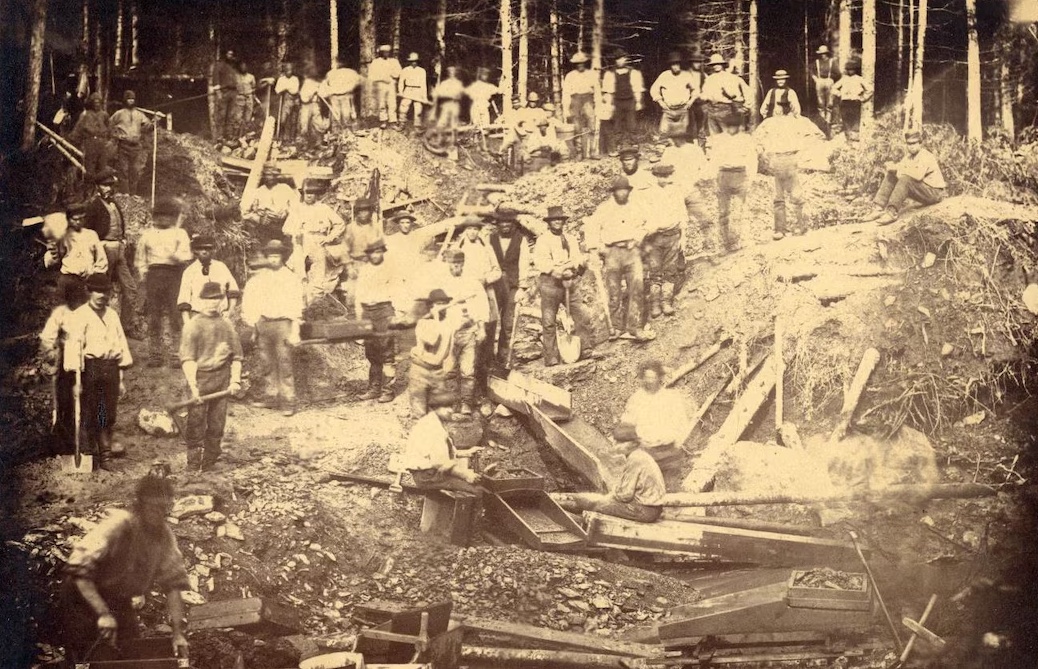
1863 placer mining in the Beauce district
Then · Historic Gold Rush
1863 placer miners working the Gilbert River — Canada's first gold rush.
Modern Beauce Gold Fields exploration crew on site
Now · Modern Discovery
Modern sonic drilling, geophysics and 3D modelling on the same paleoplacer channels.

Advancing Both the Paleoplacer and Bedrock Discovery

PALEOPLACER PROGRAM
Paleoplacer drilling
Objectives
  • Sonic drilling
  • Seismic refraction
  • Bedrock topography mapping
  • Channel extension definition
  • Bulk sample evaluation
  • Environmental baseline studies
BEDROCK PROGRAM
Bedrock drilling site
Objectives
  • Step-out diamond drilling
  • IP anomaly testing
  • Structural targeting
  • 3D model refinement
  • Fold-axis targeting
  • Expansion of Grondin corridor

Community & Heritage

A Gold District with Strong Historical and Community Roots

The Beauce district possesses a unique gold-mining heritage deeply connected to the identity and history of the region.

Beauce Gold Fields has worked closely with local stakeholders, municipalities and landowners to advance exploration responsibly while preserving the historical significance of the district.

The Company prioritizes:

  • local hiring
  • local procurement
  • environmental stewardship
  • transparent community engagement

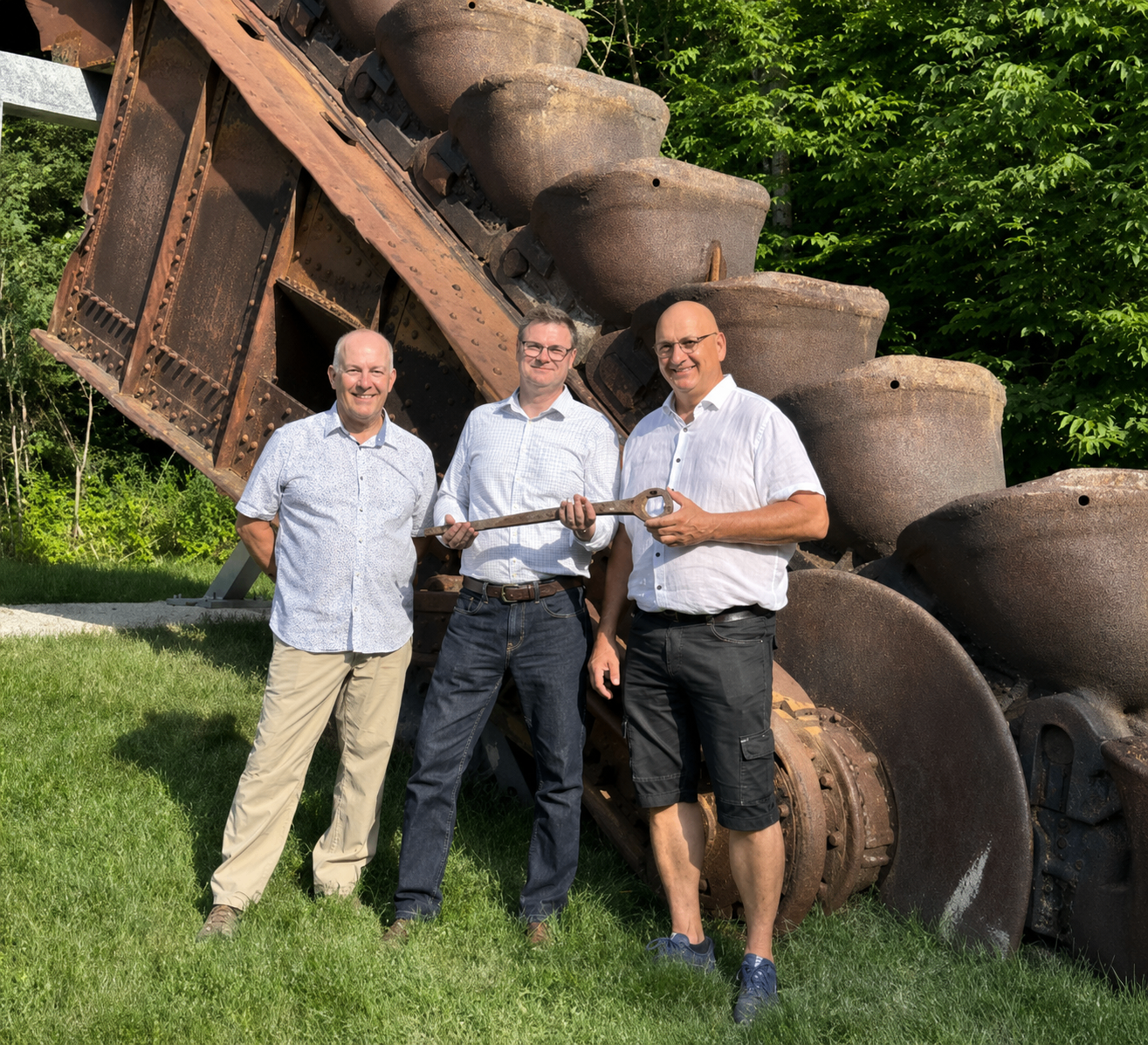
The historical mining heritage of Saint-Simon-les-Mines remains visible today through preserved mining infrastructure, historical records and the Promenade des Mines heritage park.

Heritage mining equipmentCommunity meeting

Recent Work Images

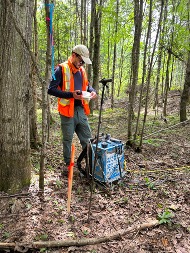
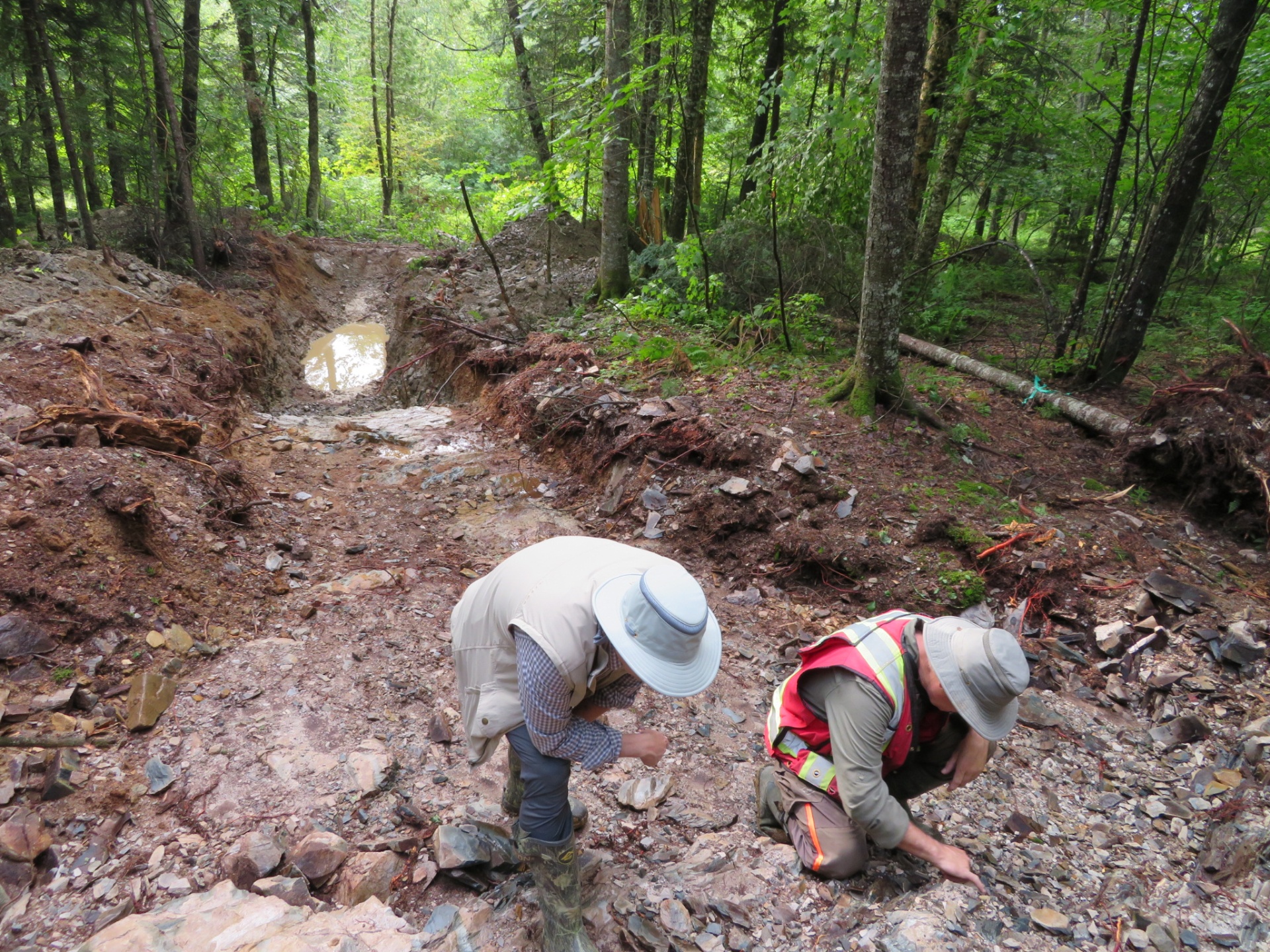
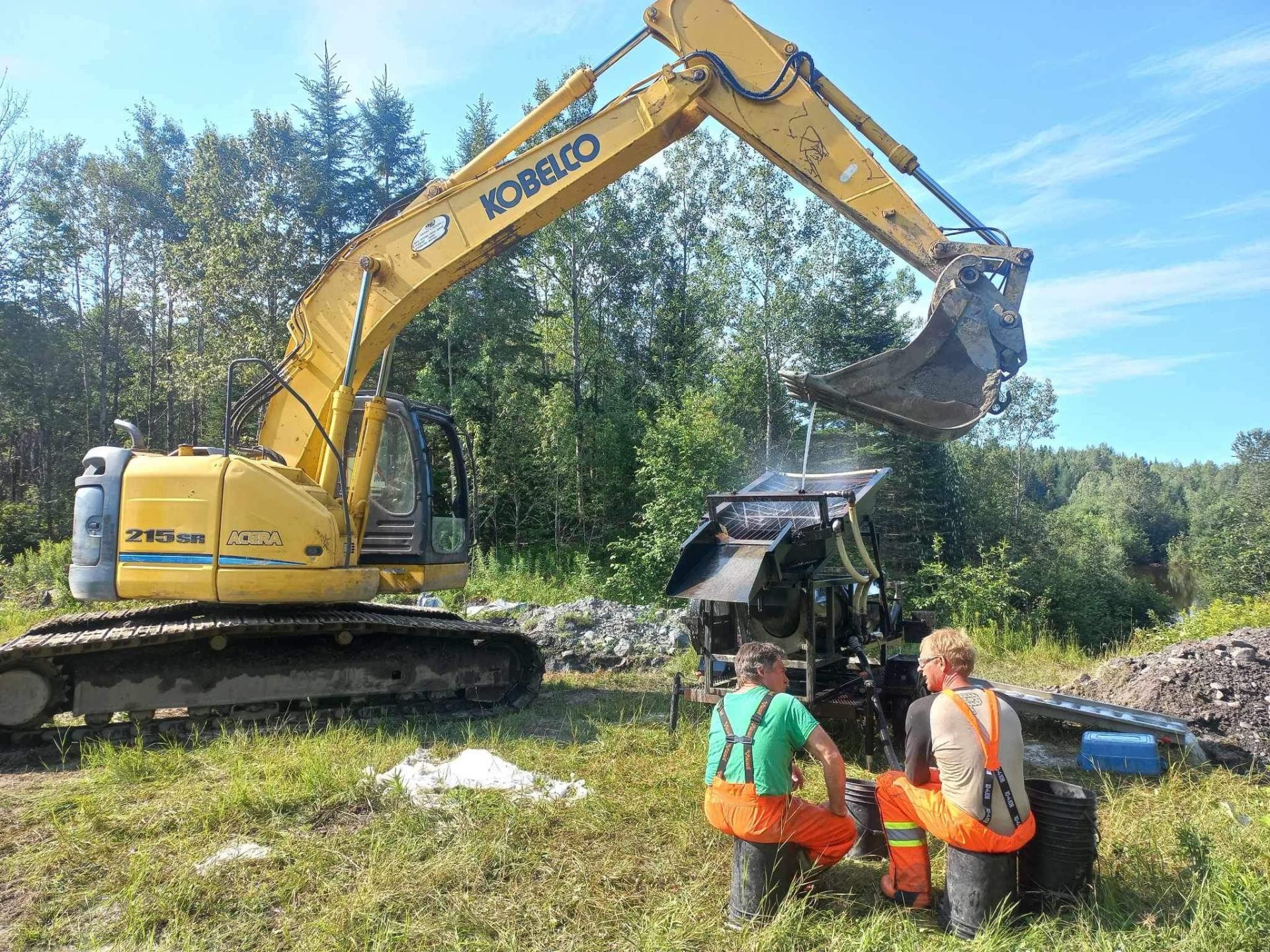
On-the-ground exploration, sampling, drilling and field operations.

Recent Work Images 1
1
Recent Work Images 2
2
Recent Work Images 3
3
Recent Work Images 4
4
Recent Work Images 5
5
Recent Work Images 6
6
Recent Work Images 7
7
Recent Work Images 8
8
Recent Work Images 9
9
Recent Work Images 10
10
Recent Work Images 11
11
Recent Work Images 12
12
Recent Work Images 13
13
Recent Work Images 14
14
Recent Work Images 15
15
Recent Work Images 16
16
Recent Work Images 17
17
Recent Work Images 18
18
Recent Work Images 19
19
Recent Work Images 20
20

Historical Images

Heritage of Canada's first gold rush district.

Historical Images 1
1
Historical Images 2
2
Historical Images 3
3
Historical Images 4
4
Historical Images 5
5
Historical Images 6
6
Historical Images 7
7
Historical Images 8
8
Historical Images 9
9
Historical Images 10
10
Historical Images 11
11
Historical Images 12
12
Historical Images 13
13
Historical Images 14
14
Historical Images 15
15
Historical Images 16
16
Historical Images 17
17
Historical Images 18
18
Historical Images 19
19
Historical Images 20
20