
1851
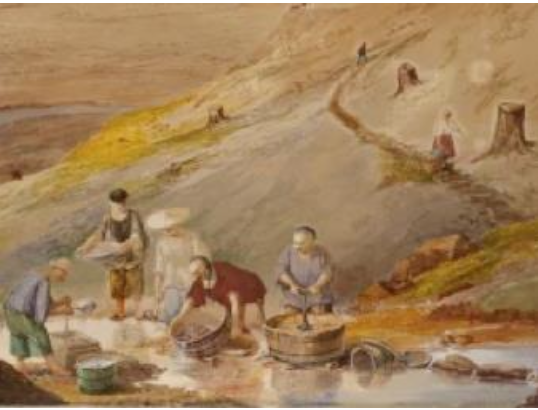
Gold discovered by women washing clothes in Bendigo Creek.

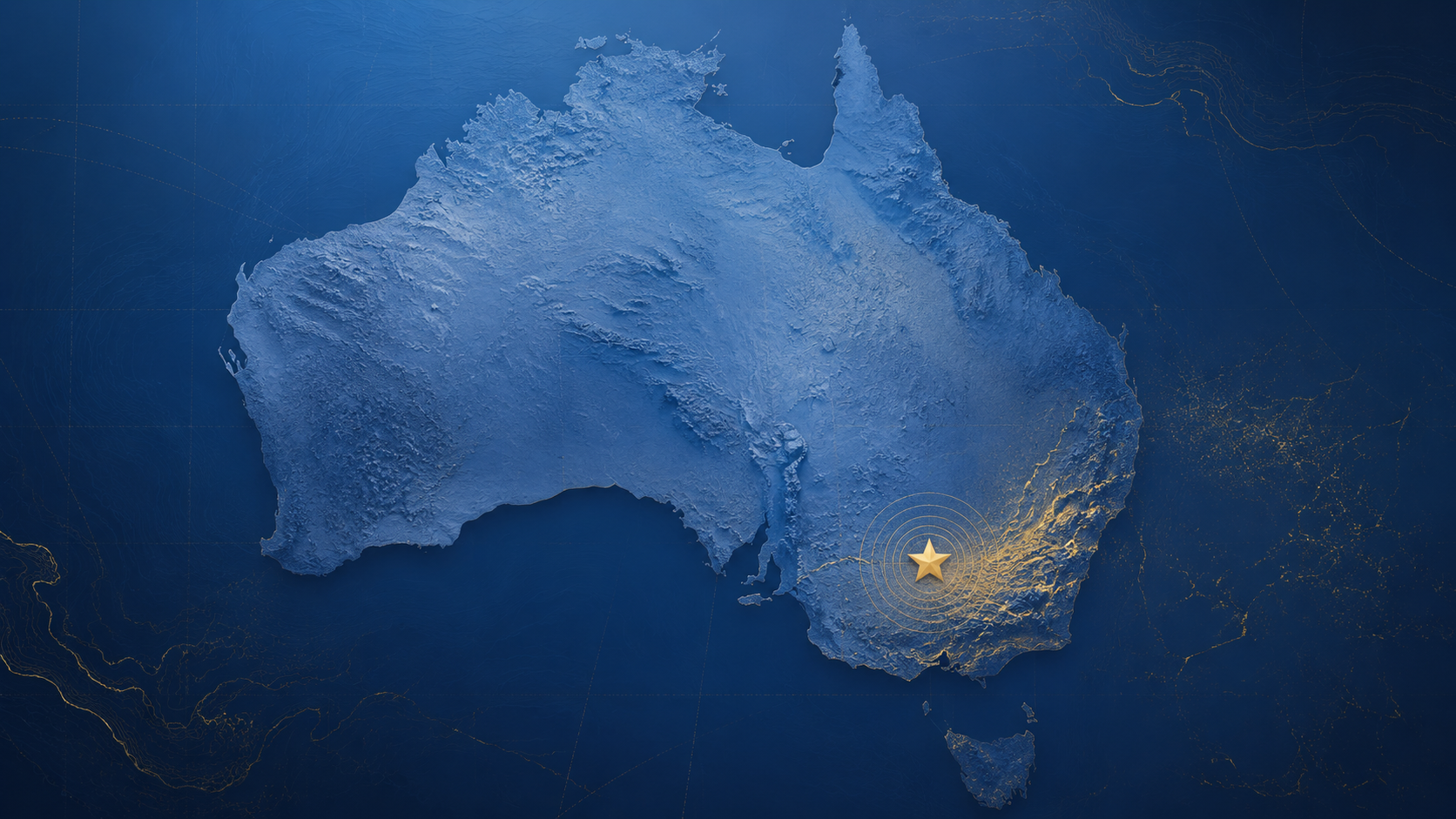
SADDLE REEF COMPARISON
The Bendigo region of Australia, which has so far produced 22 million ounces of gold, holds astonishing historical similarities to the Beauce
Bendigo, Australia
Beauce, Quebec, Canada
Gold discovered by women washing clothes in Bendigo Creek.
Placer gold was found unexpectedly
Gold discovered by Clothilde Gilbert as she walked her horse across the Gilbert Creek.
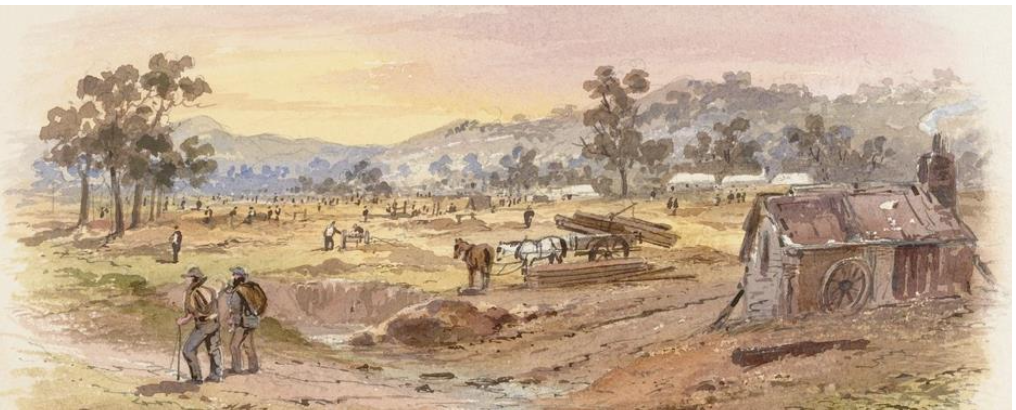
News led to a placer gold rush
1850s – Rapid expansion of alluvial mining with of thousands of miners working
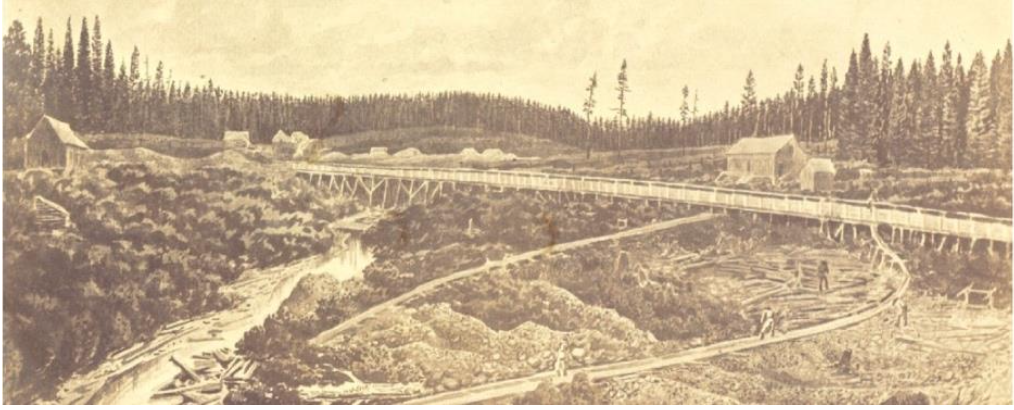
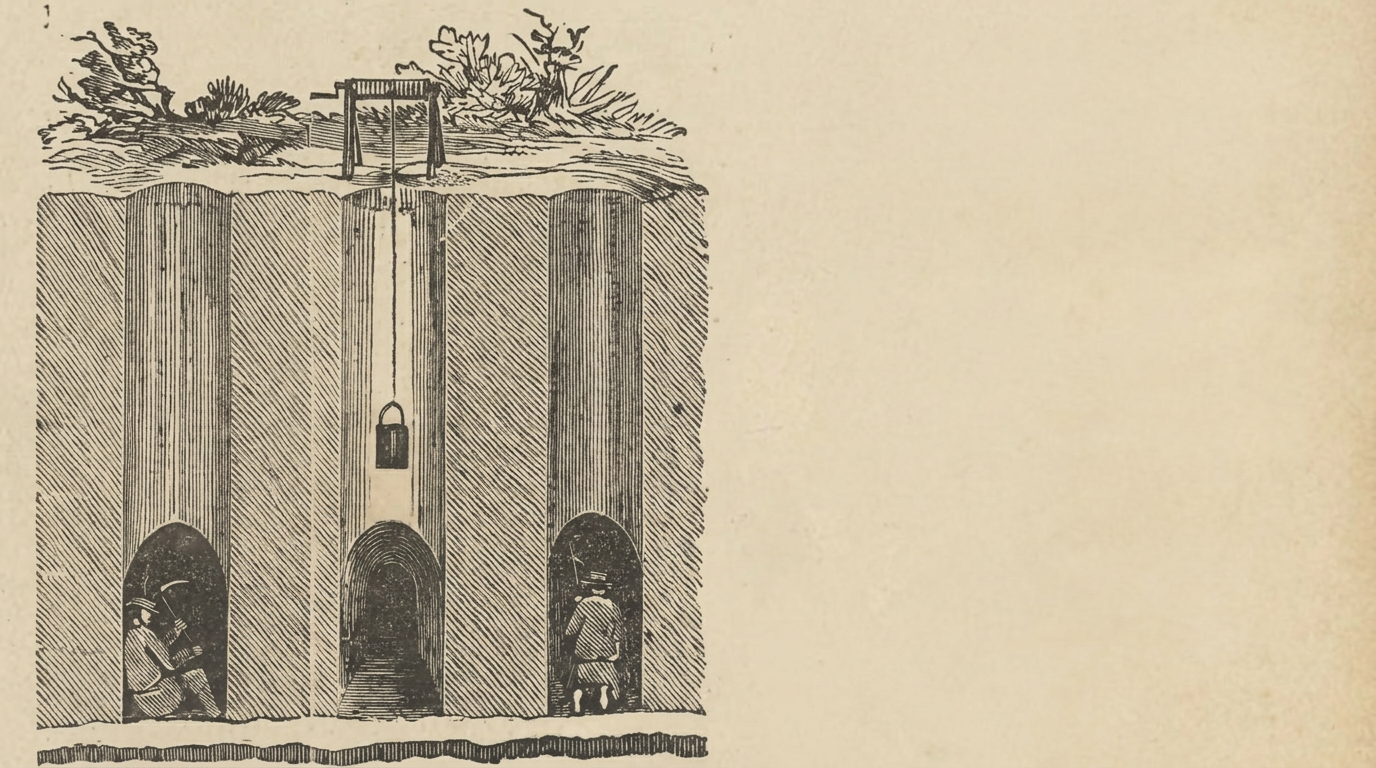
Section of a Gold Mine At the Bendigo Diggings
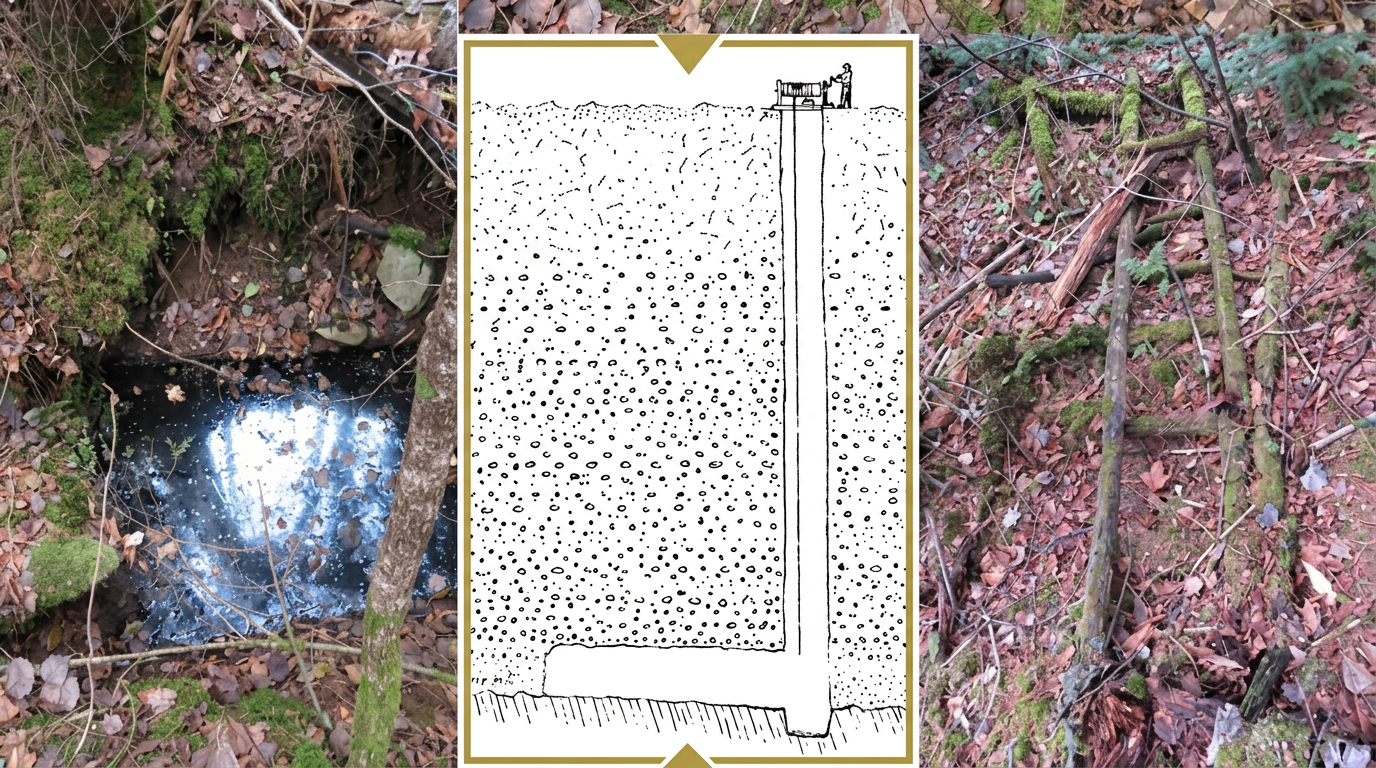
As surface alluvial gold ran scarce, miners dug deep shafts and tunnels to get to richer placer gold deposits
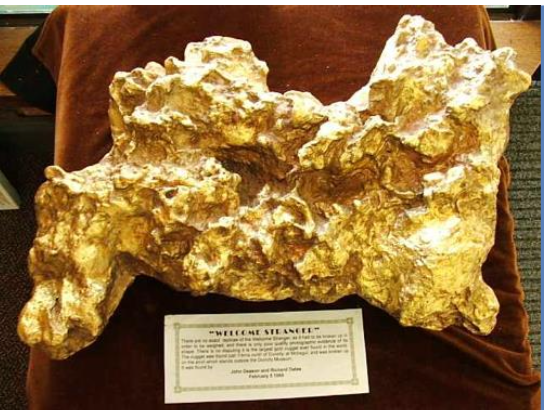
The Welcome Stranger Nugget weighs over 2,520 troy ounces.
Both regions produced some of the largest gold nuggets
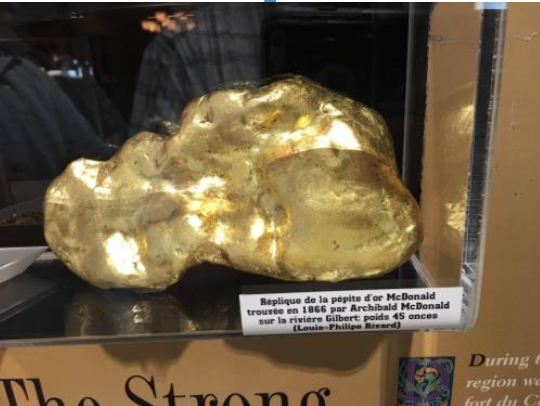
The McDonald Nugget weighs 45 ounces.
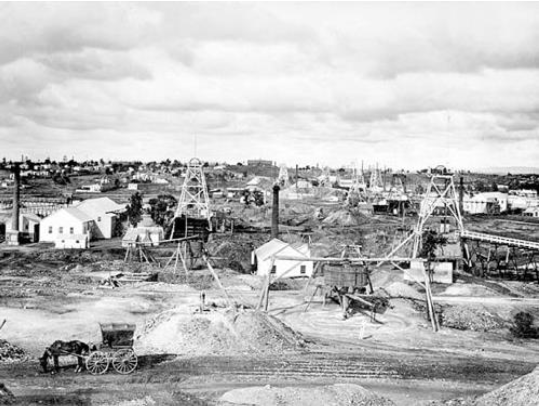
Underground placer and lode gold (Saddle Reefs) mines
By the early 1910s, gold production petered out
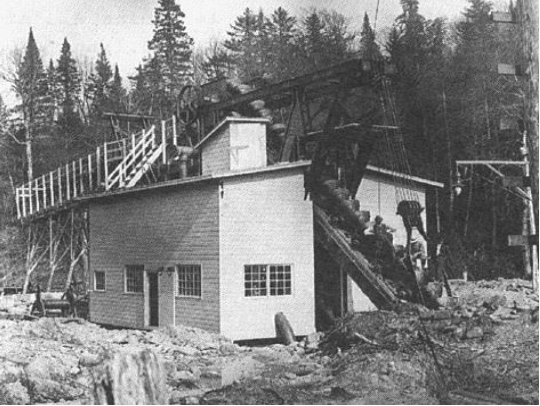
Placer gold mines
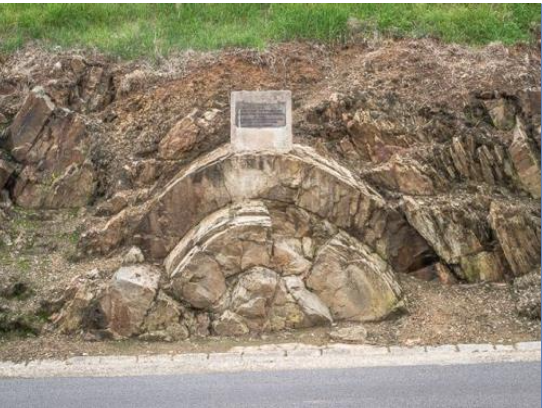
Bendigo Saddle Reefs proved to be incredibly rich in gold and were mined extensively from the 1850s onward
The Saddle Reefs – are quartz structures that formed in the anticlines of the folded bedrock. Believed to be the source of the gold placers
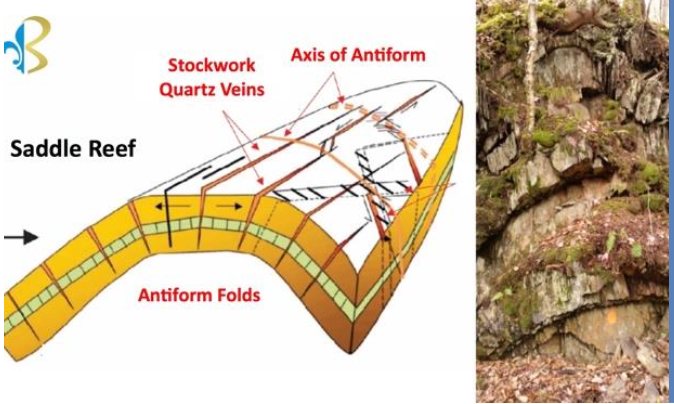
In 2021, Beauce Gold Fields discovered the Saddle Reef formations
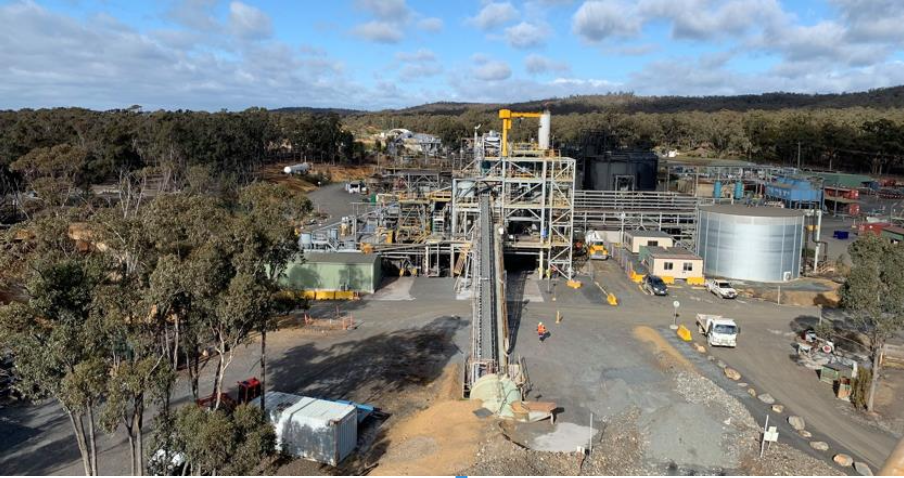
The Fosterville mine is a high-grade, low-cost underground gold mine.
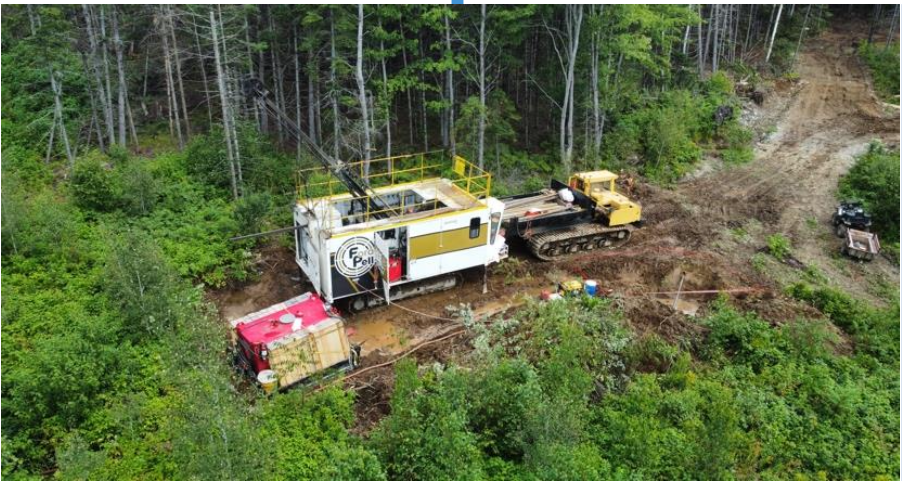
The drill program discovered a high-grade gold anticline structure of a Saddle Reef outcrop.
Bendigo, Australia
Beauce, Quebec
Gold discovered by women washing clothes in Bendigo Creek.
Gold discovered by Clothilde Gilbert as she walked her horse across the Gilbert Creek.
Rapid expansion of alluvial mining with thousands of miners working.
Alluvial gold rush expands across the Beauce countryside.
Miners dig deep shafts and tunnels to reach richer placer gold deposits.
Deep shafts and tunnels uncover richer placer gold beneath glacial till.
The Welcome Stranger Nugget weighs over 2,520 troy ounces.
The McDonald Nugget weighs 45 ounces.
Underground placer and lode gold (Saddle Reefs) mines
Placer gold mines
Bendigo Saddle Reefs proved to be incredibly rich in gold and were mined extensively from the 1850s onward
In 2021, Beauce Gold Fields discovered the Saddle Reef formations
The Fosterville mine is a high-grade, low-cost underground gold mine.
The drill program discovered a high-grade gold anticline structure of a Saddle Reef outcrop.
A saddle reef is a curved quartz body that forms around the hinge of a folded rock structure. Gold-bearing fluids can move through fractures in the fold, depositing quartz and gold along the fold hinge, limbs, nearby faults, and stockwork veins. At Bendigo, repeated saddle reefs formed a major gold system. At Beauce, drilling is testing whether the Grondin–Giroux antiform represents a similar structural setting and a possible bedrock source of the historic placer gold.
Beauce combines two related gold opportunities: an established paleoplacer exploration target and an emerging gold-bearing Saddle-Reef system.
Bendigo demonstrated the scale that repeated saddle reefs can achieve.