




Beauce Gold Property
Project Overview
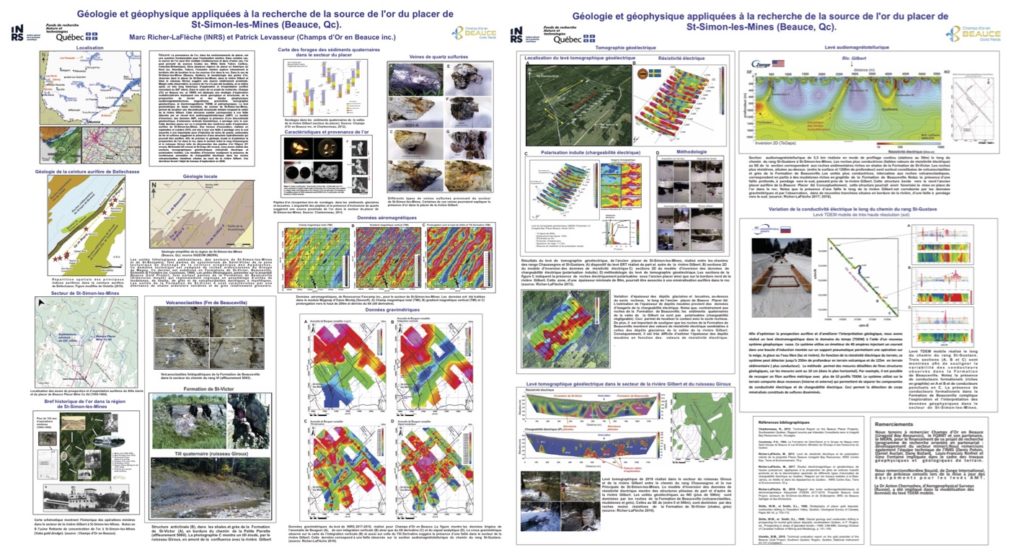
Flagship gold exploration project located in Saint-Simon-les-Mines & Beauceville, Québec — site of Canada’s first historical gold rush
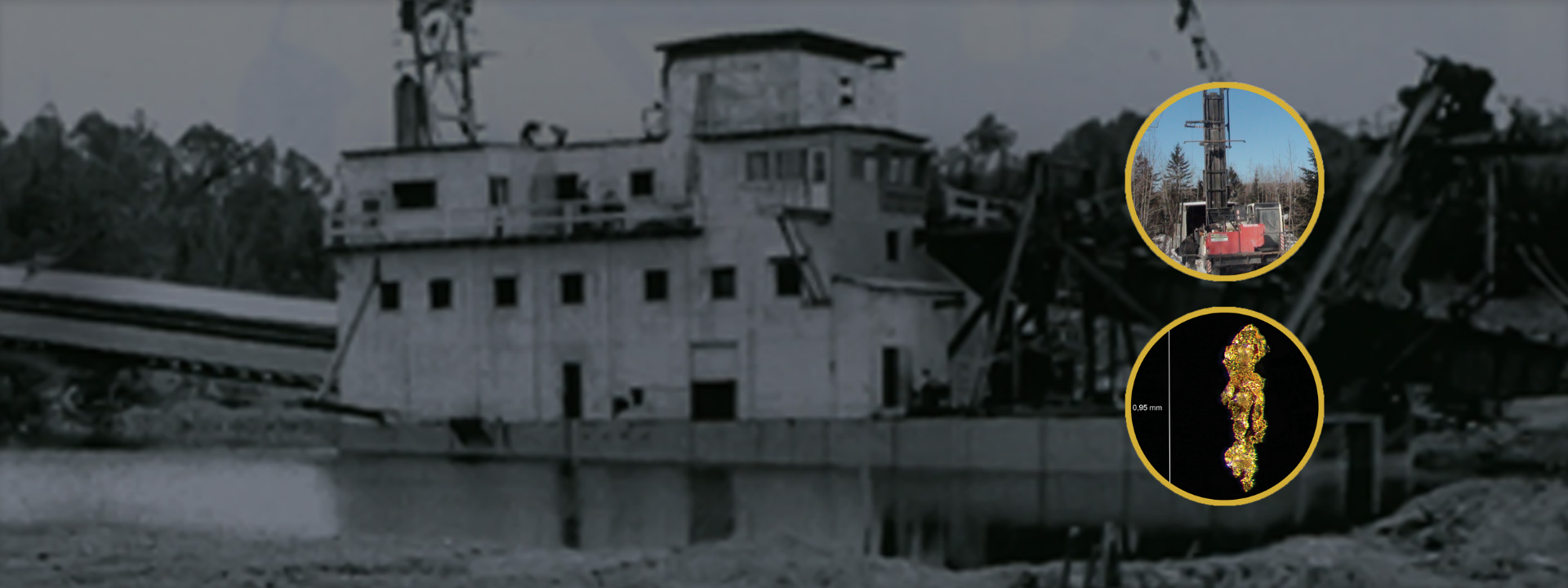
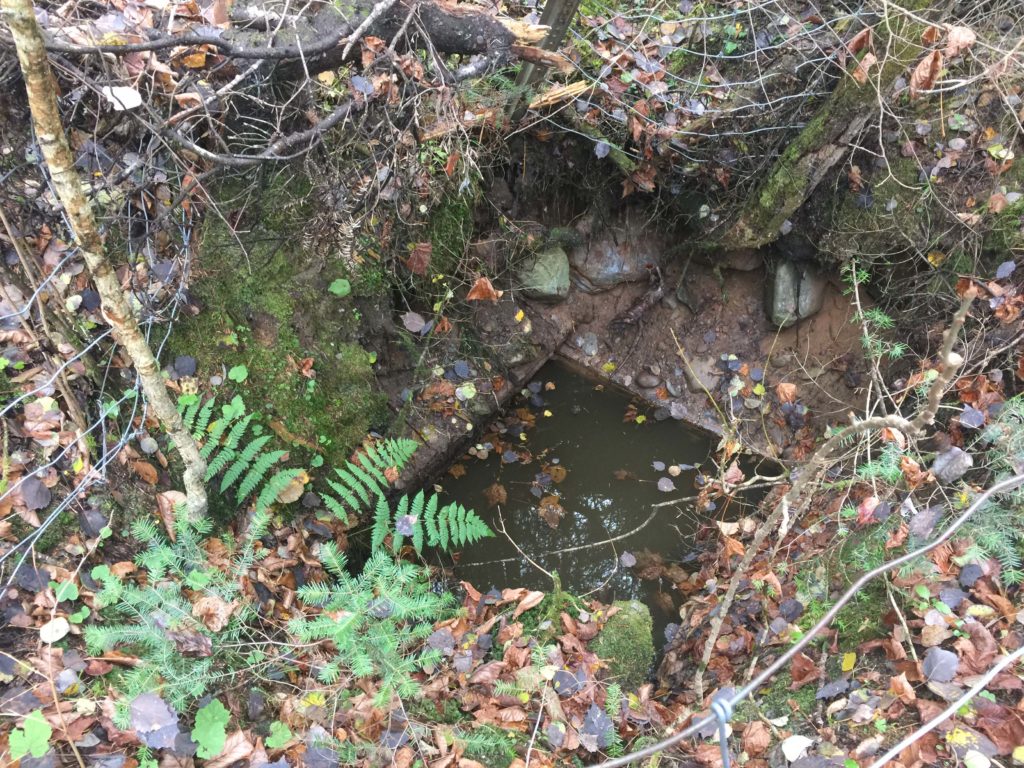
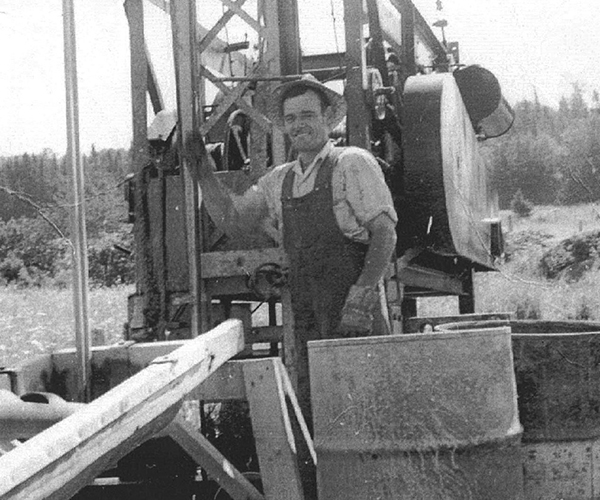
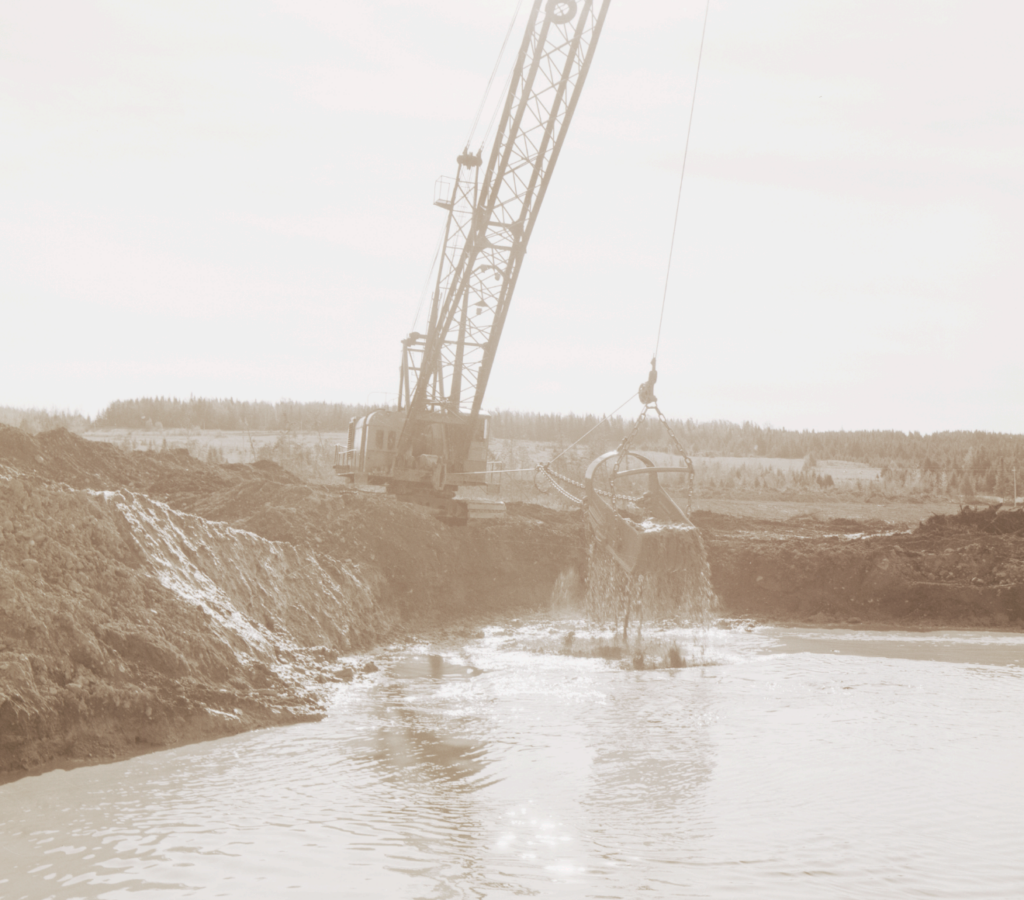
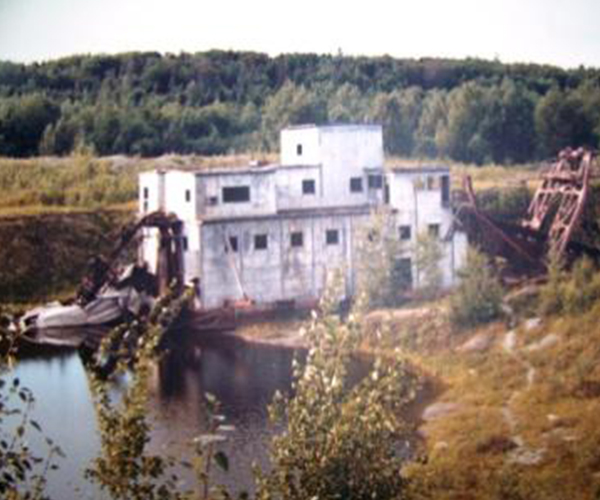
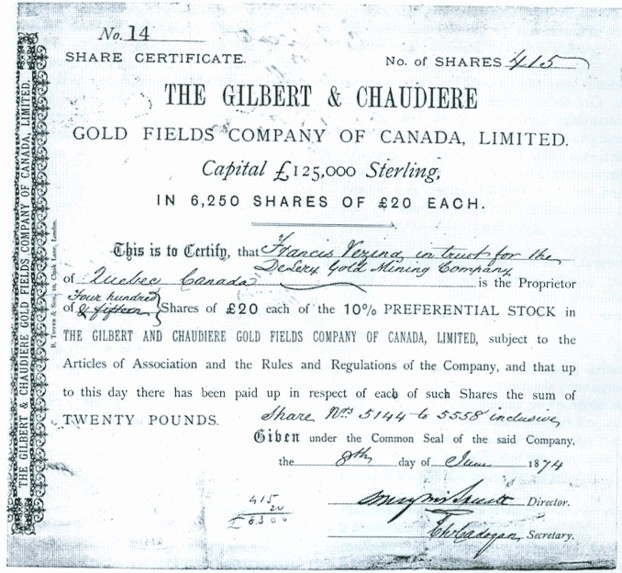
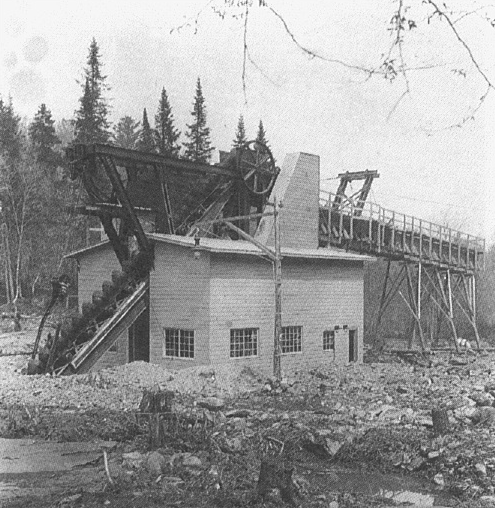
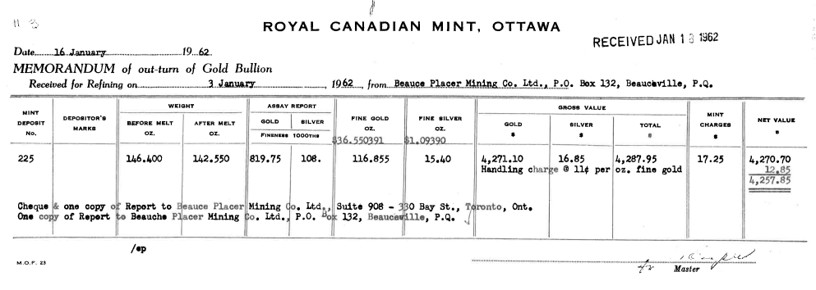
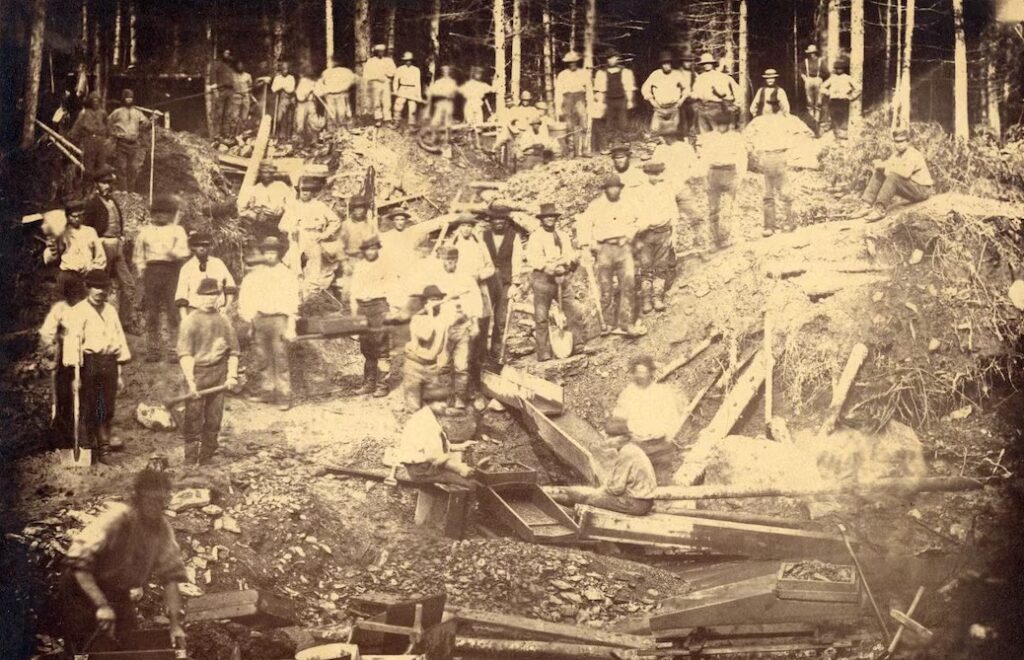
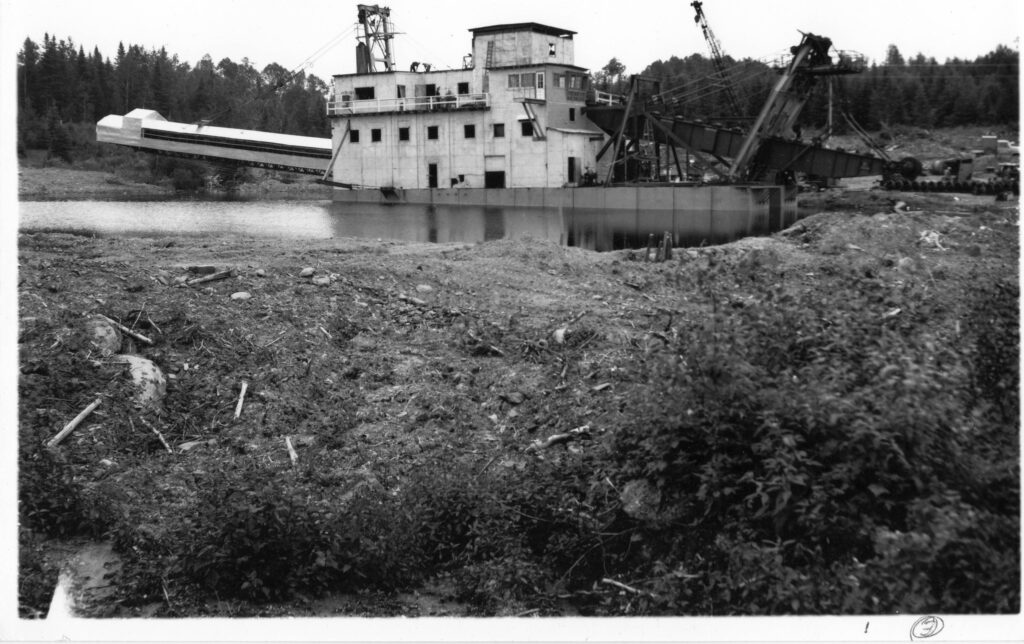
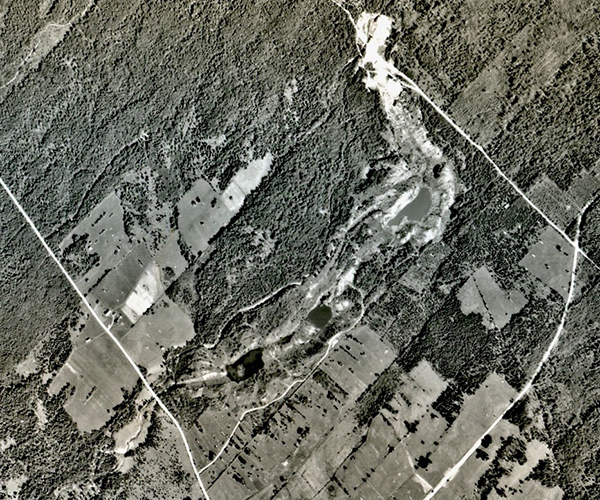
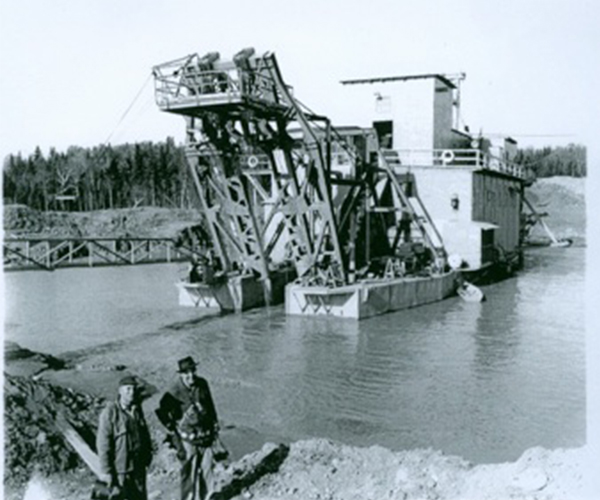
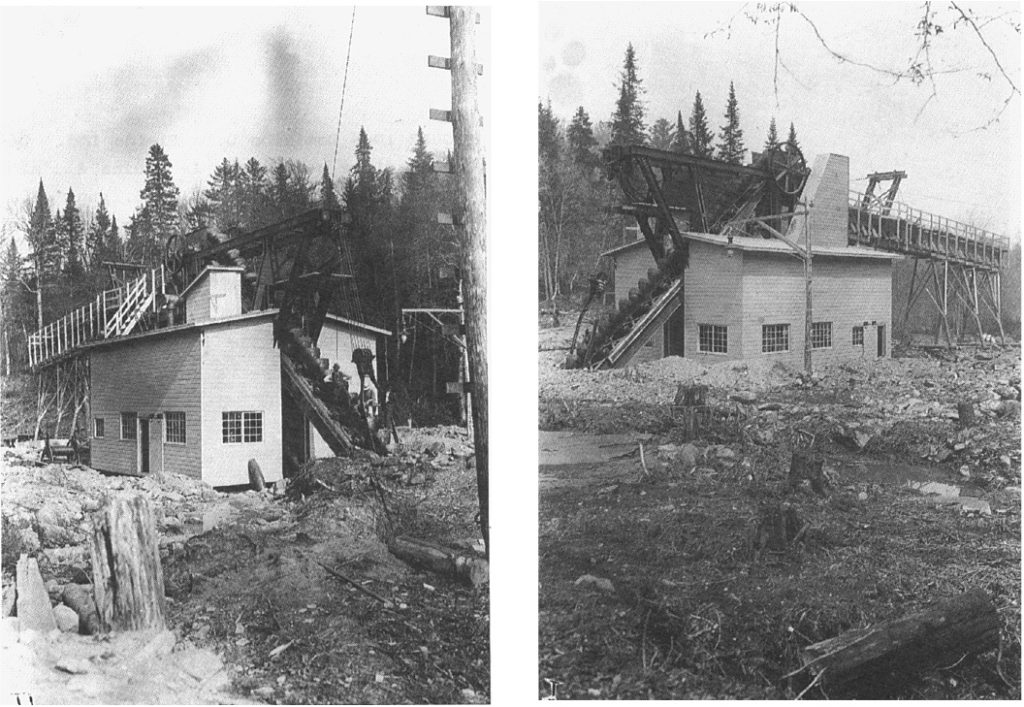
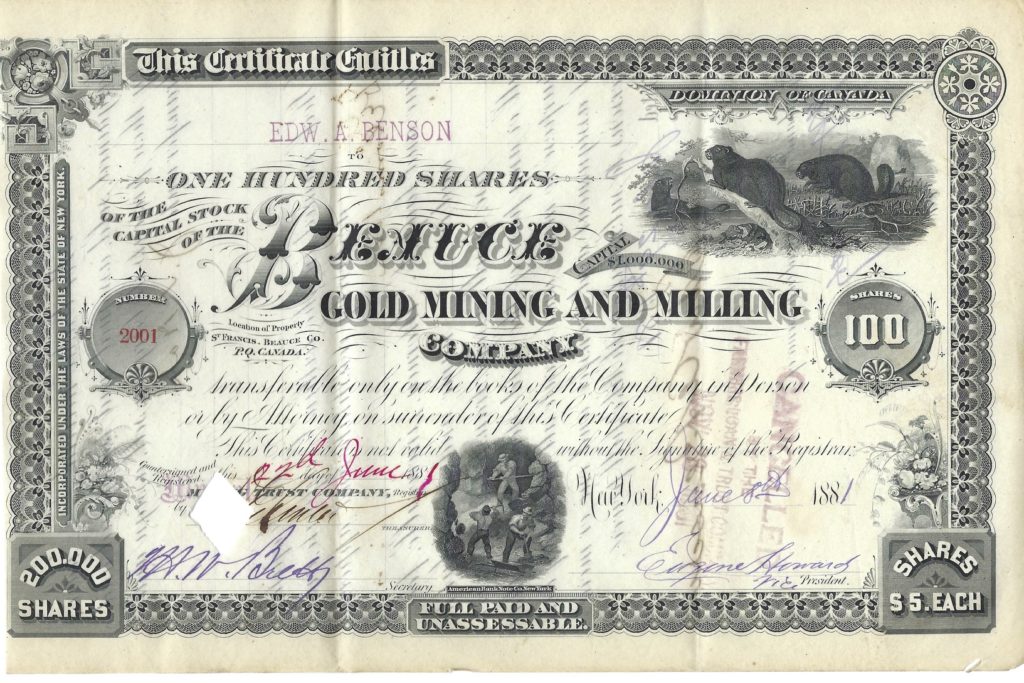
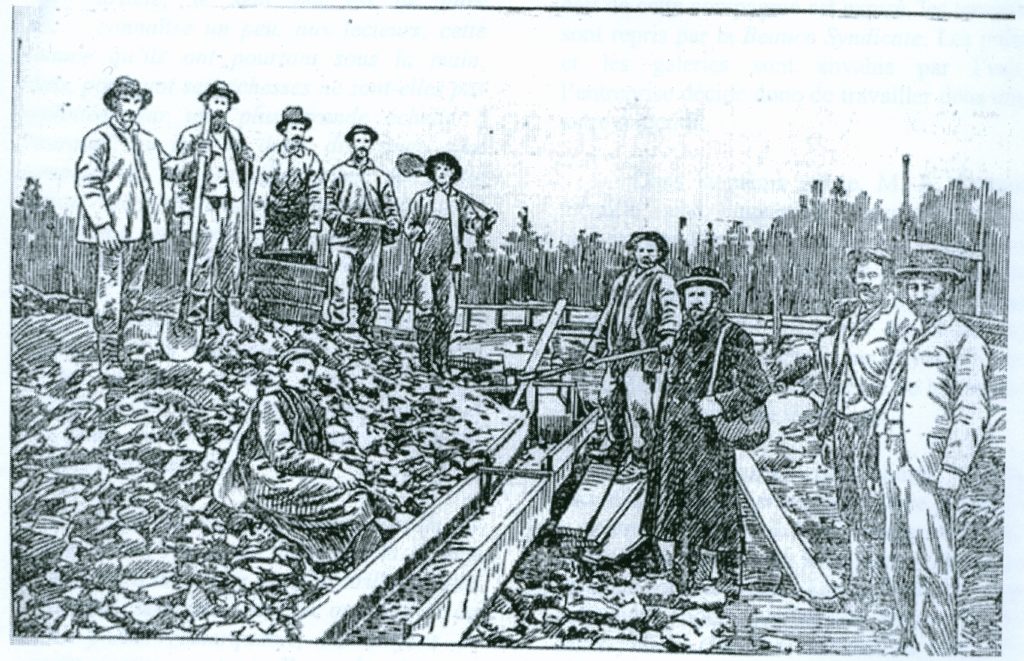
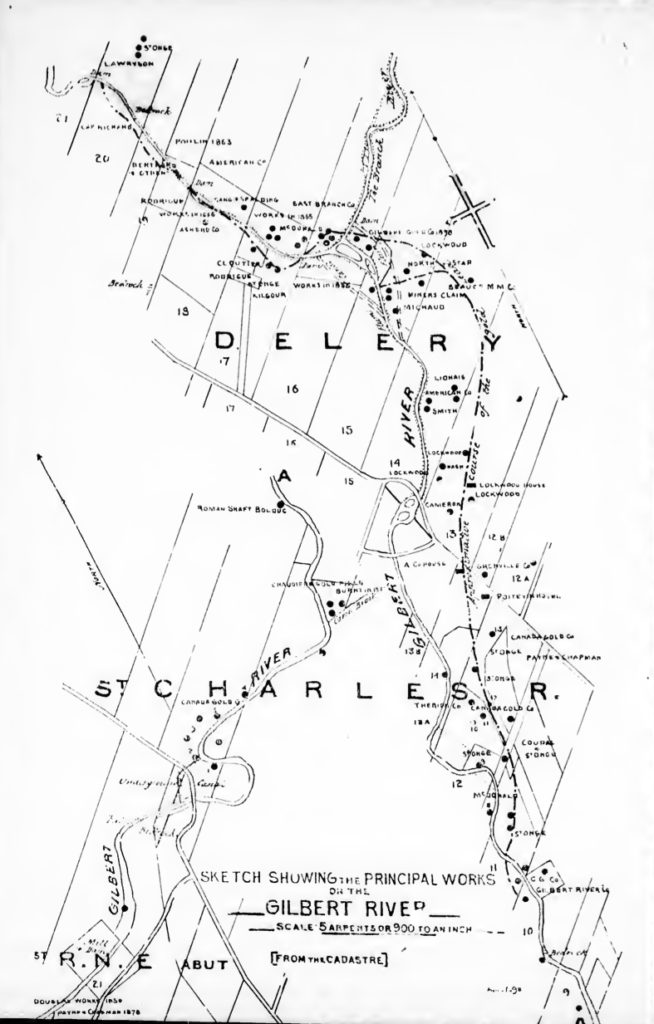
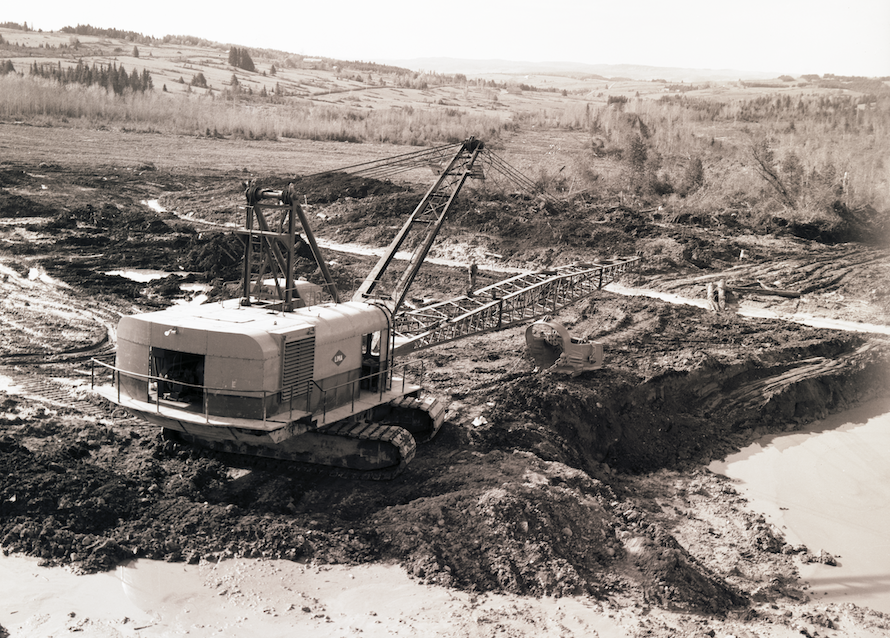
Hosted the largest historical placer gold operations in Eastern North America active from the 1840s to the 1960s.
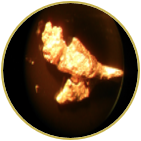
Notable historic production included some of the largest gold nuggets in Canadian mining history (50 oz–71 oz).
Accessible year-round via paved and gravel roads ~1 hr south of Québec City.
The project represents one of the most compelling placer-to-hard rock gold exploration opportunities in Eastern North America

Geology
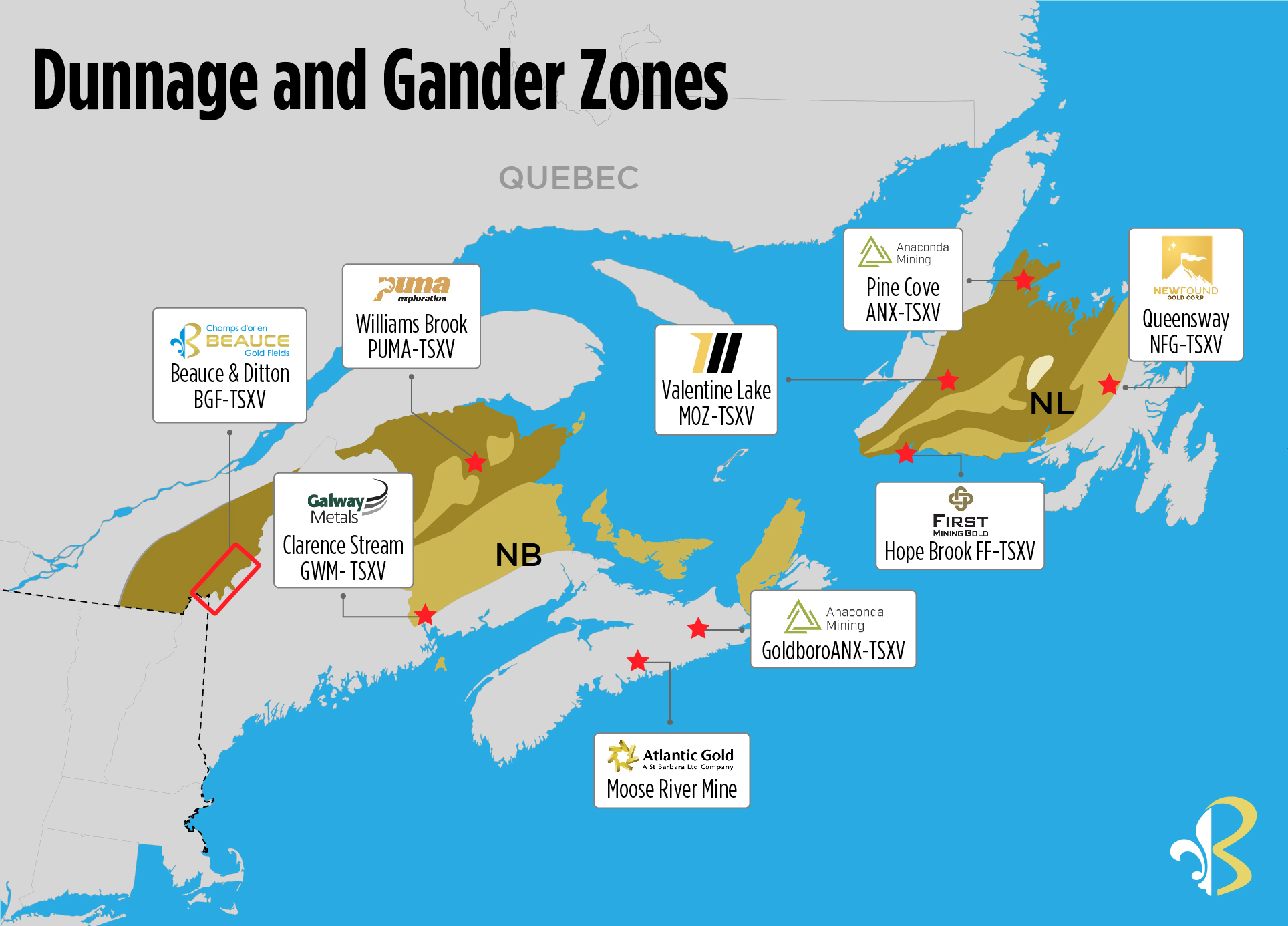
The Beauce gold sector straddles two of the major tectonostratigraphic subdivisions of the Appalachians. The latter is the Gander zone to the northwest and that of Dunnage to the southeast.
Several large gold systems have been identified along this structural zone, including New Found Gold’s Queensway gold project and Calibre’s Valentine Lake Deposit in Newfoundland.
Antiform Saddle Reef Structures
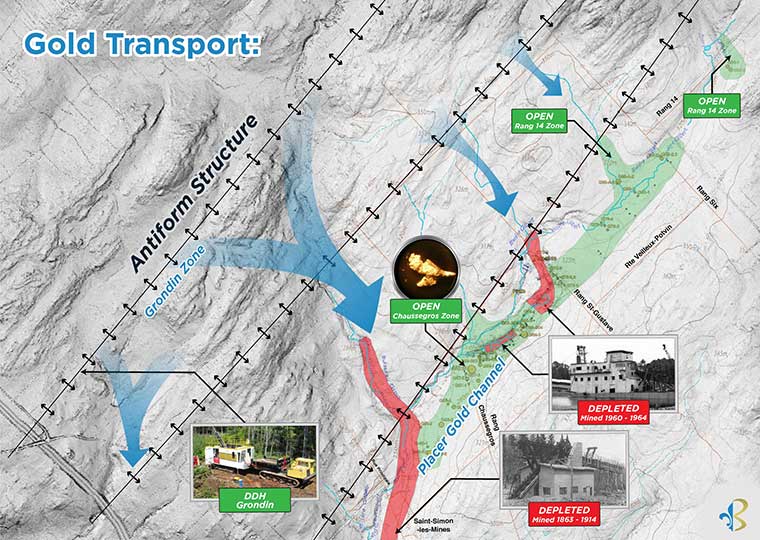
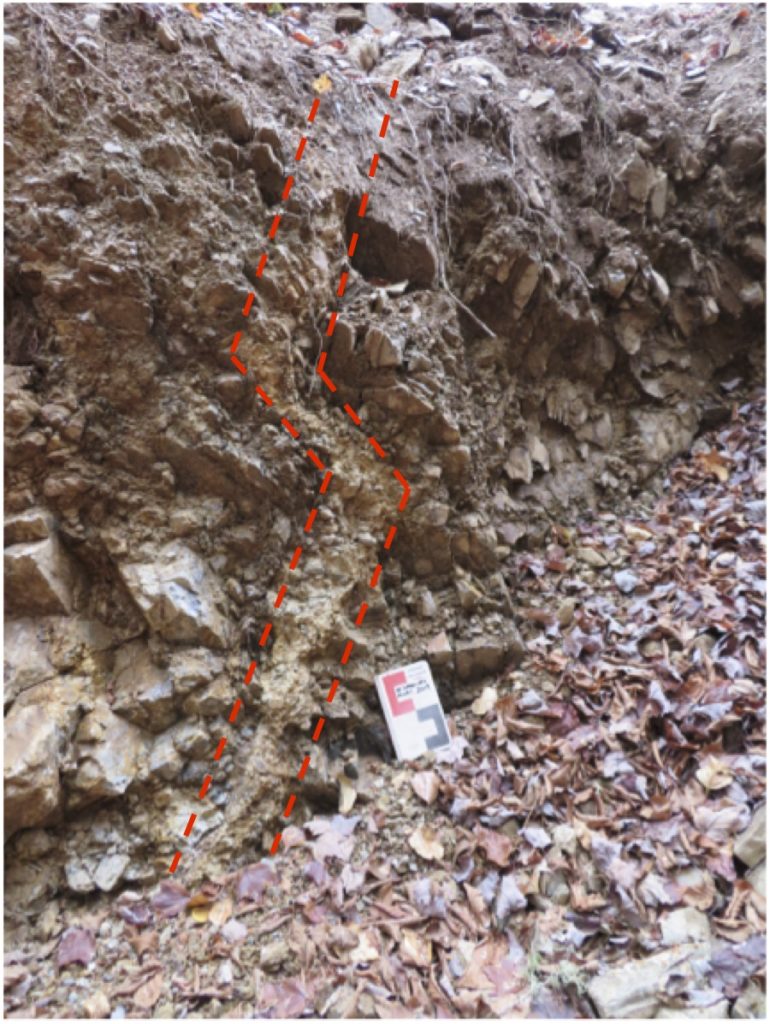
The Company’s geological model suggests that placer gold within the Beauce Gold paleochannel, including the renowned large nuggets from the 19th century, formed in stressed quartz pockets within layered domed Axis of Antiforms, exemplified by Saddle Reef formations.
Notable global Saddle Reef formations include the Bendigo gold fields in Australia (over 60 million ounces) and the high-grade Dufferin deposit in Nova Scotia.
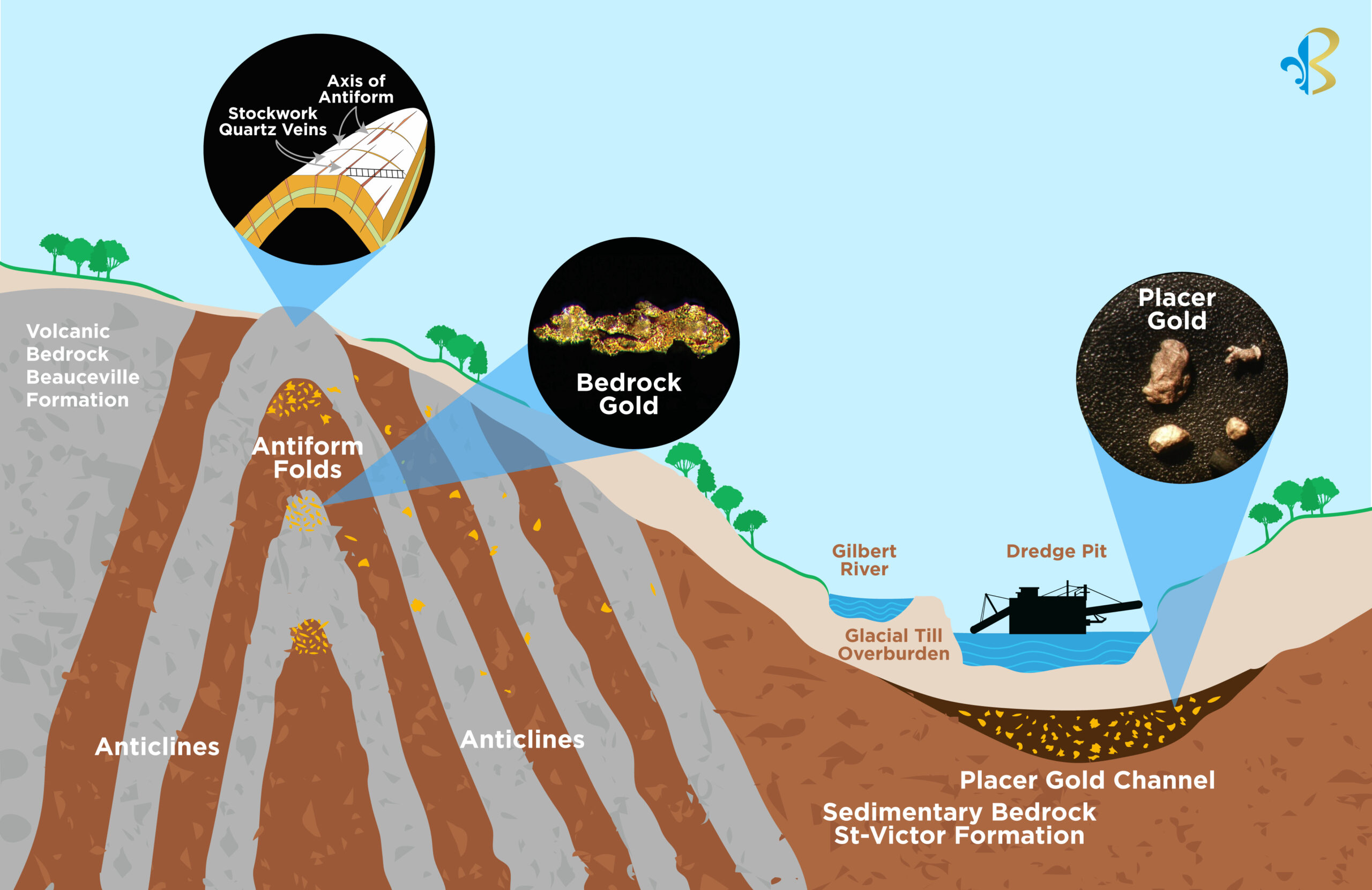
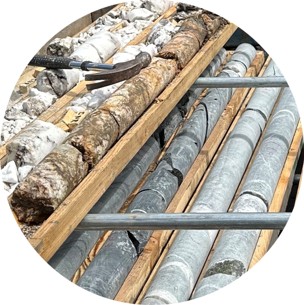
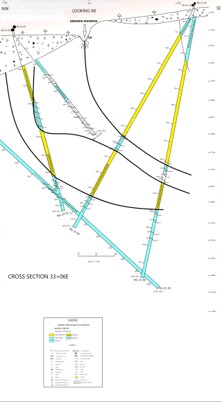
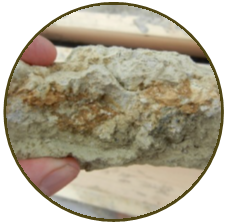
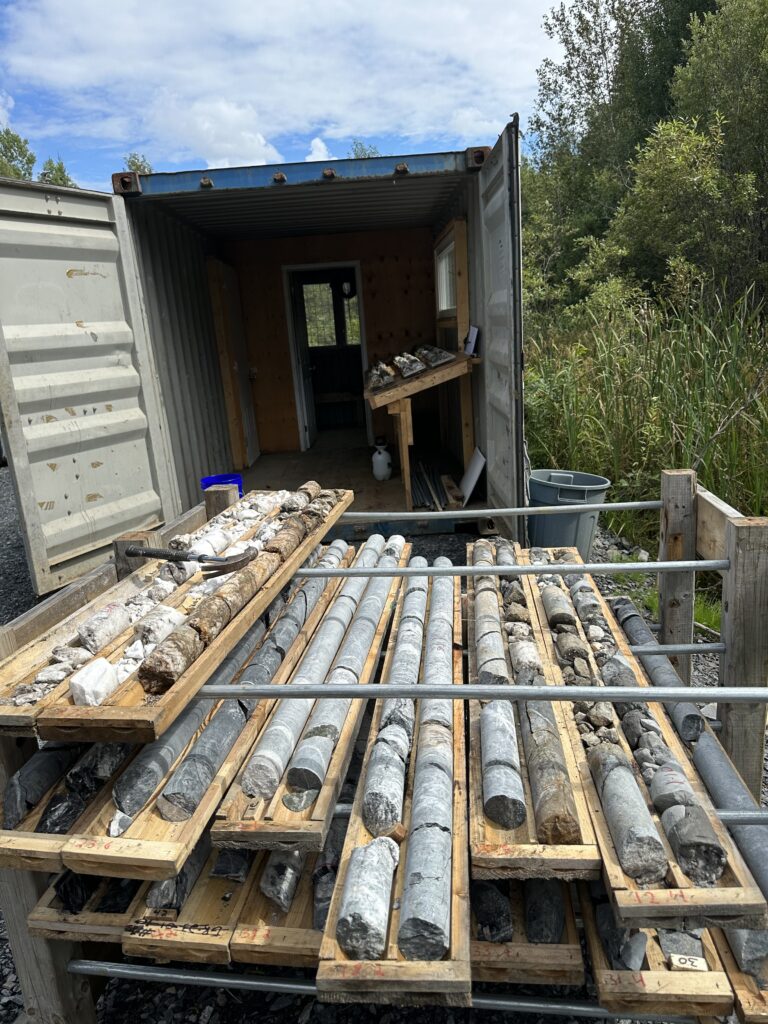
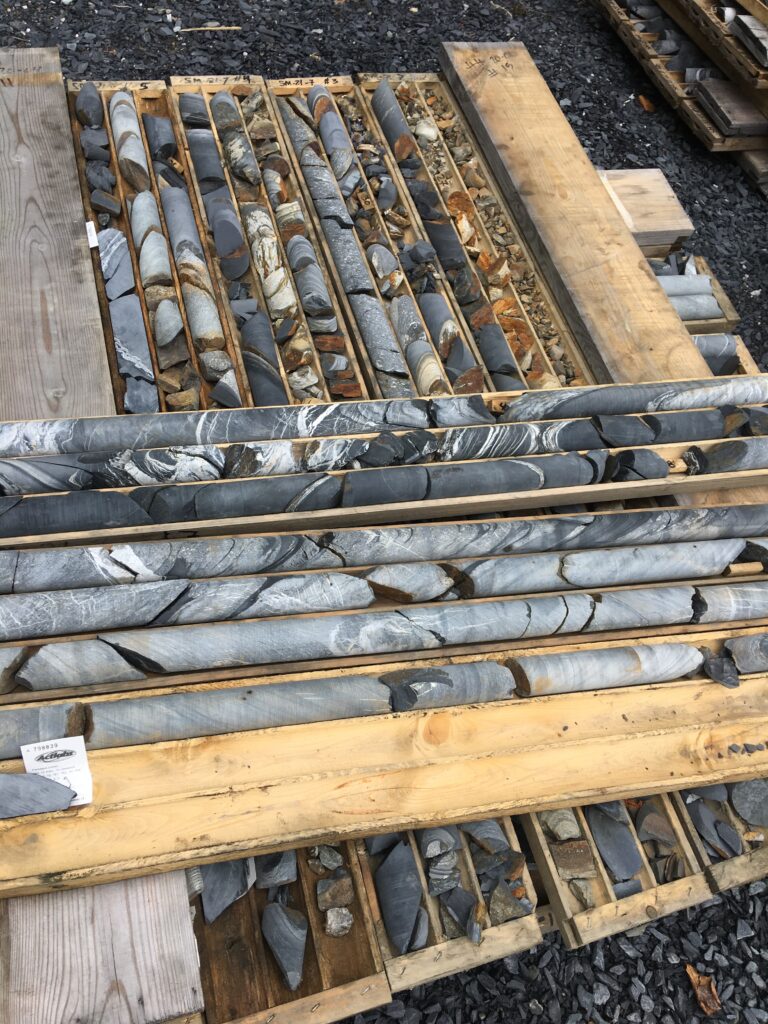
The drilled mineralized gold zones occur as stockworks within felsic lapilli tuff along the axes of antiform folds. They are also found in volcaniclastic rocks, specifically within crack-and-seal-type quartz veins, which can exceed 10 meters in width at the apex of these folds.
Lode Gold Exploration Strategy & Geological Model
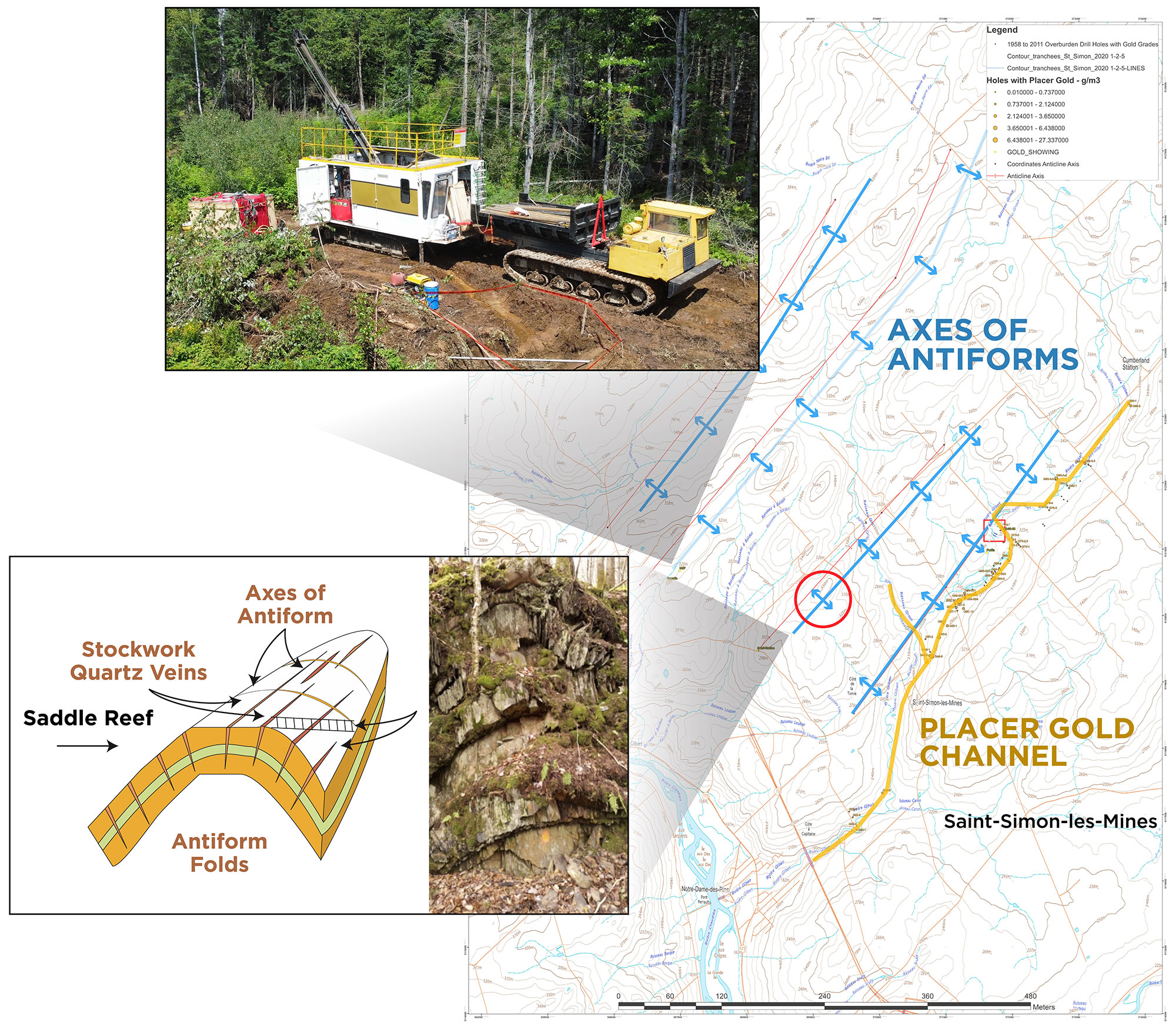
- Focused on tracing historical placer gold deposits back to bedrock (lode) sources.
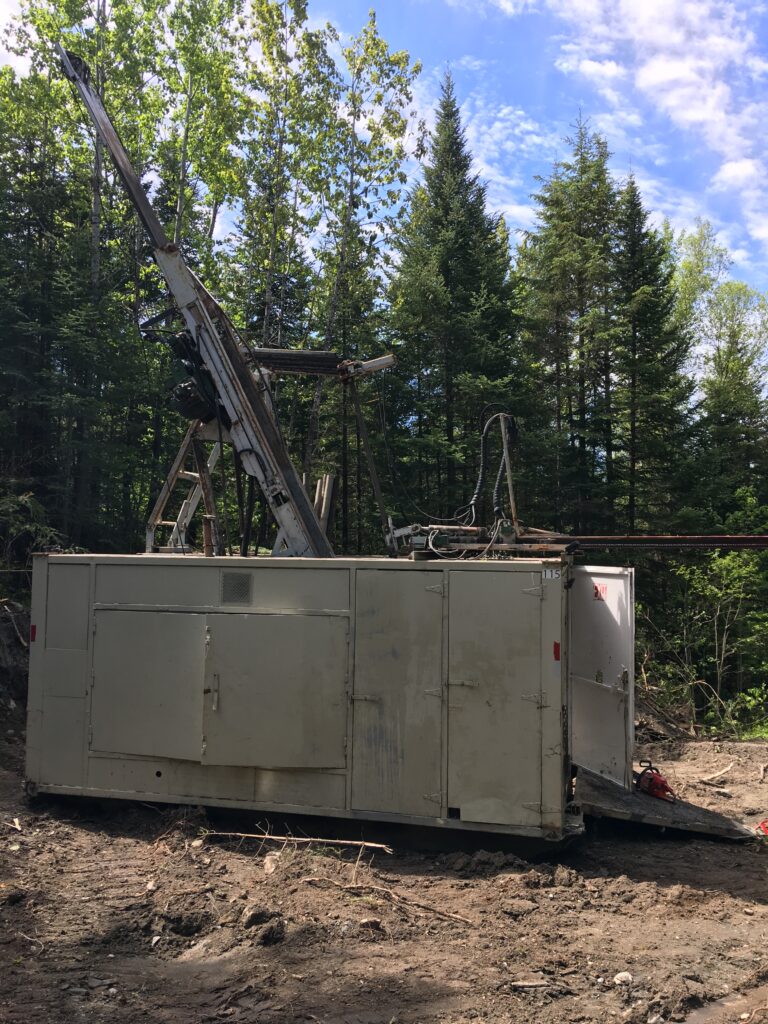
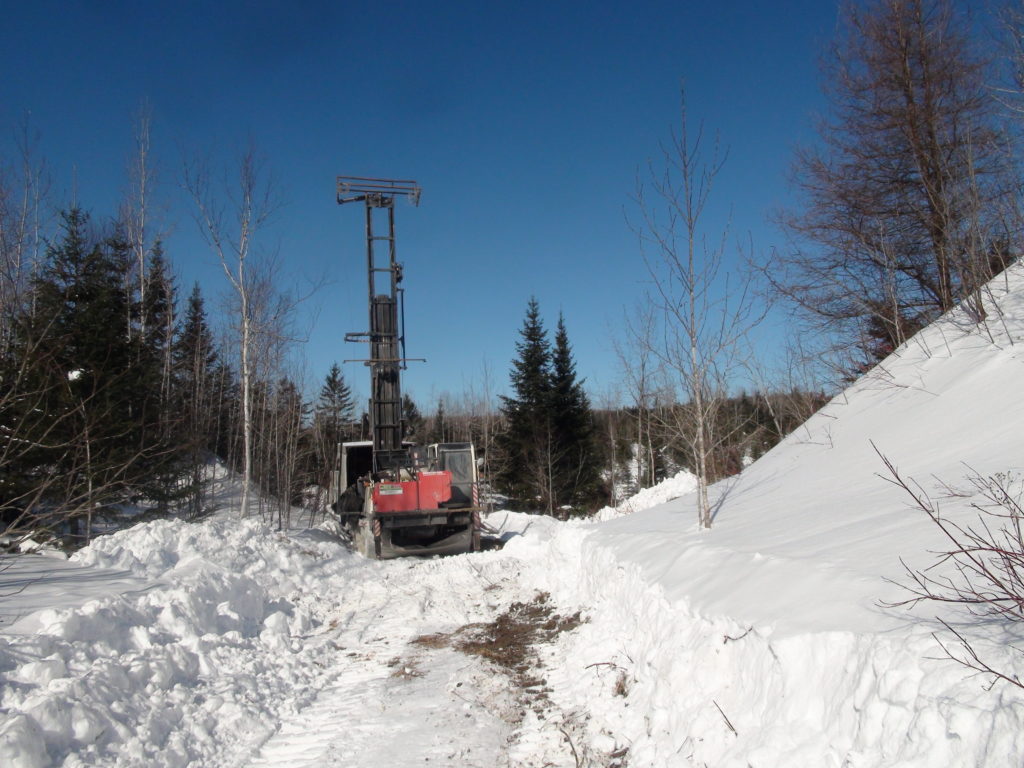
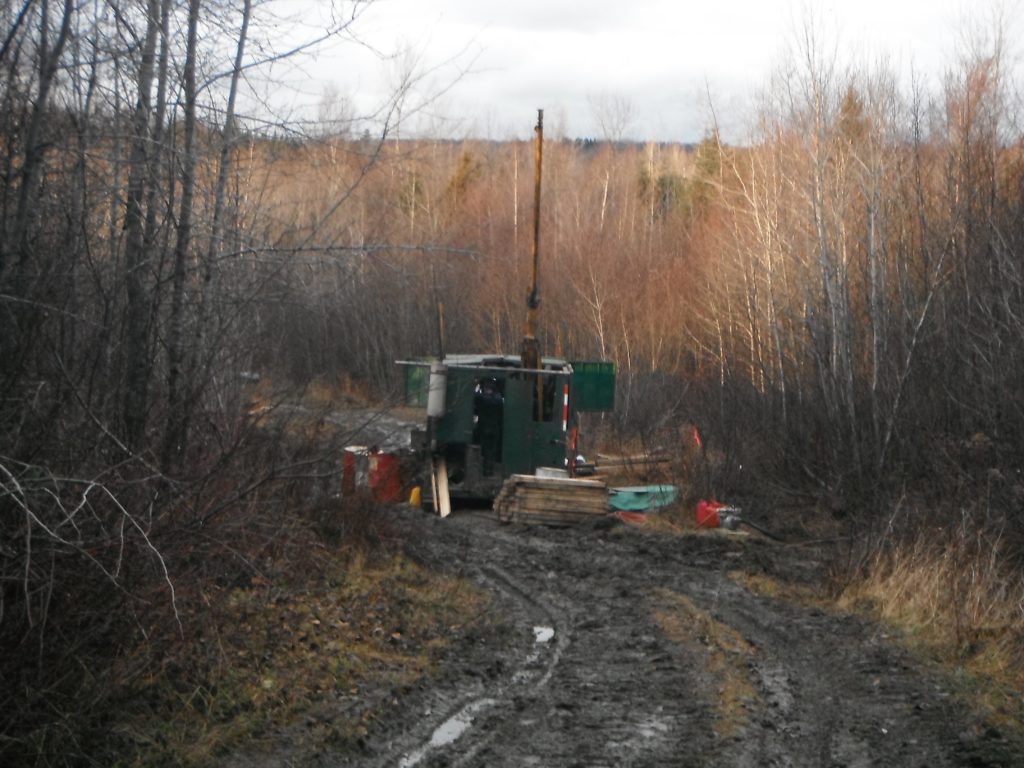
- Diamond drilling Antiform Saddle Reef-type structures, believed to be bedrock sources of auriferous placer gold.
- Antiform structures traced for ~8 km north of the placer channel, suggesting robust structural controls on mineralization.
- Geological model ties placer gold in paleochannel units to Antiform Saddle Reef-type structures, similar to major global analogues (e.g., Bendigo, Australia).
Placer Gold Exploration Targets
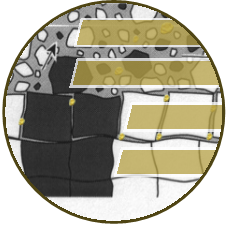
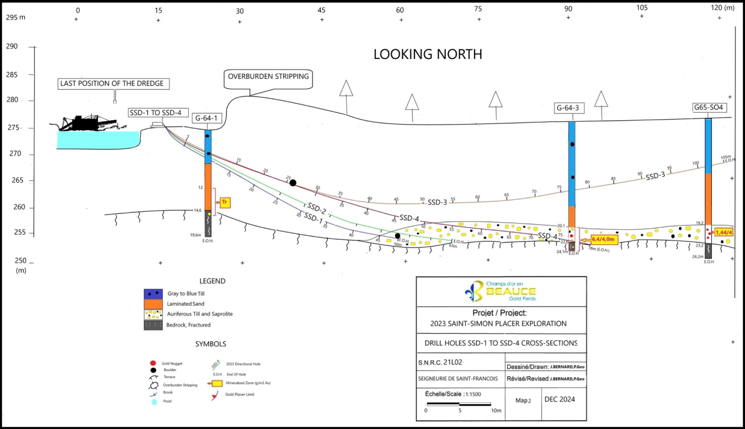
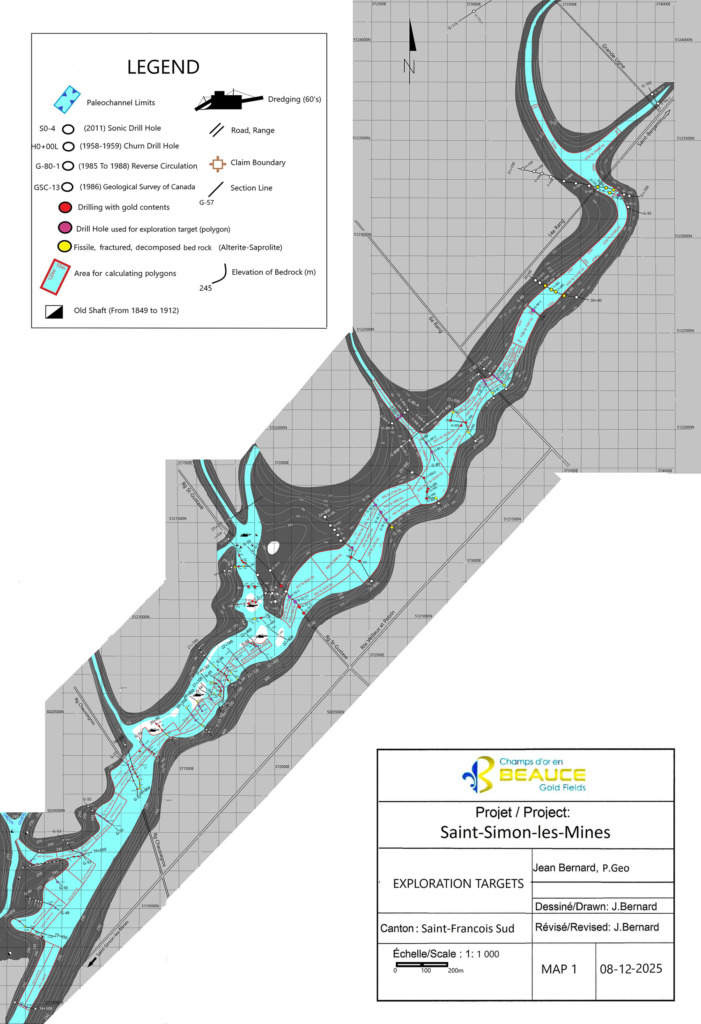
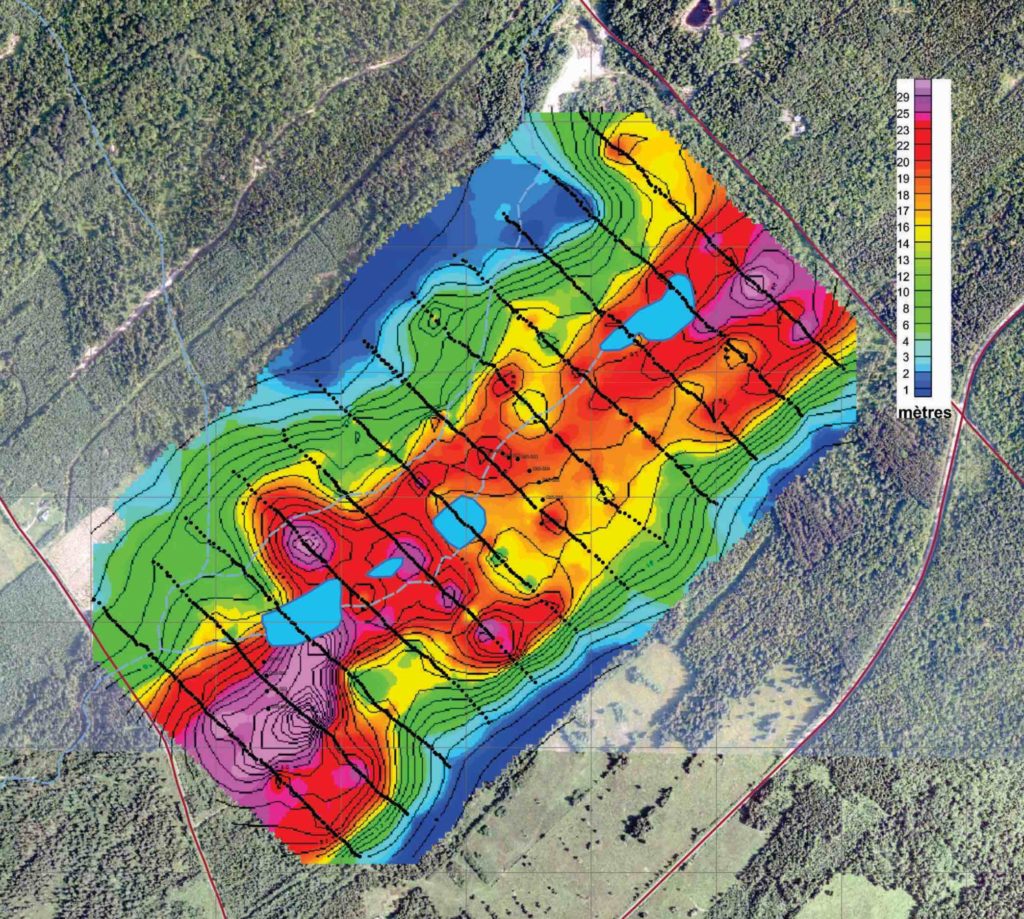
The Beauce Gold property hosts a historical placer deposit with a Gold Exploration Target ranging from:
~97,000 oz (3.86 M m³ @ 0.81 g/m³ Au) to
~591,000 oz (3.86 M m³ @ 4.90 g/m³ Au)
The Exploration Target mentioned is conceptual in nature. There has been insufficient exploration to define a mineral resource, and there can be no assurance that further exploration will result in the definition of such a resource.
Silver - Ag
The Beauce property also demonstrates a potential for silver deposits.
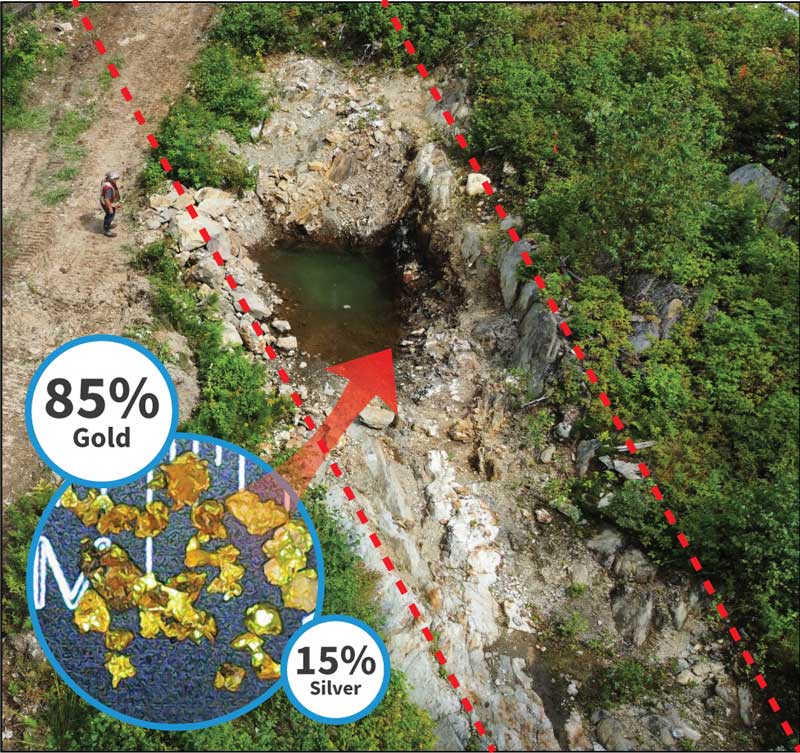
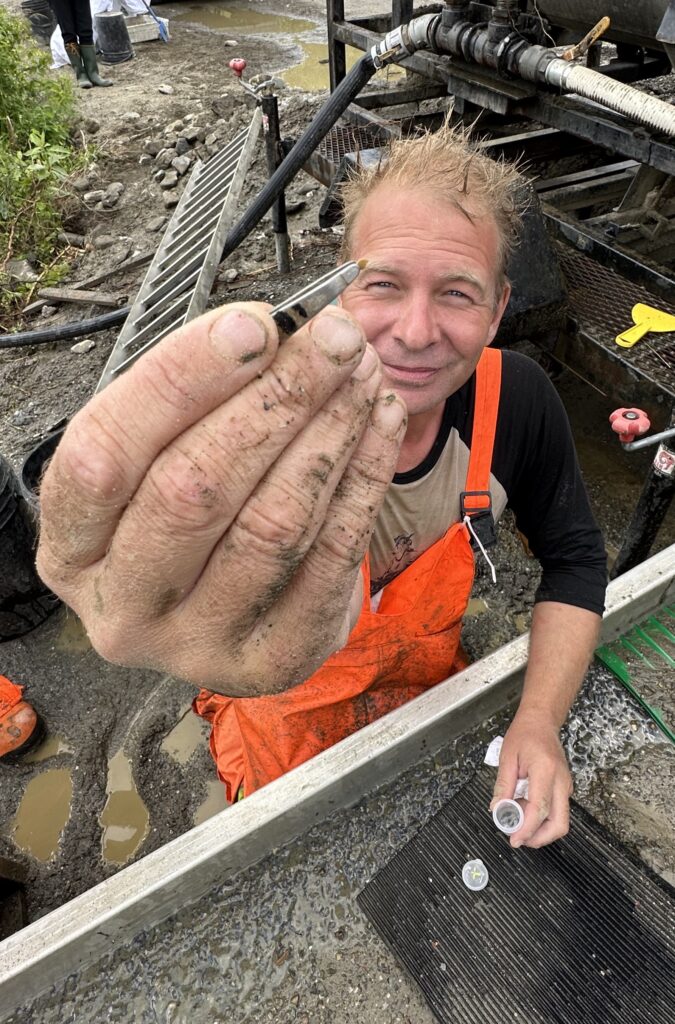
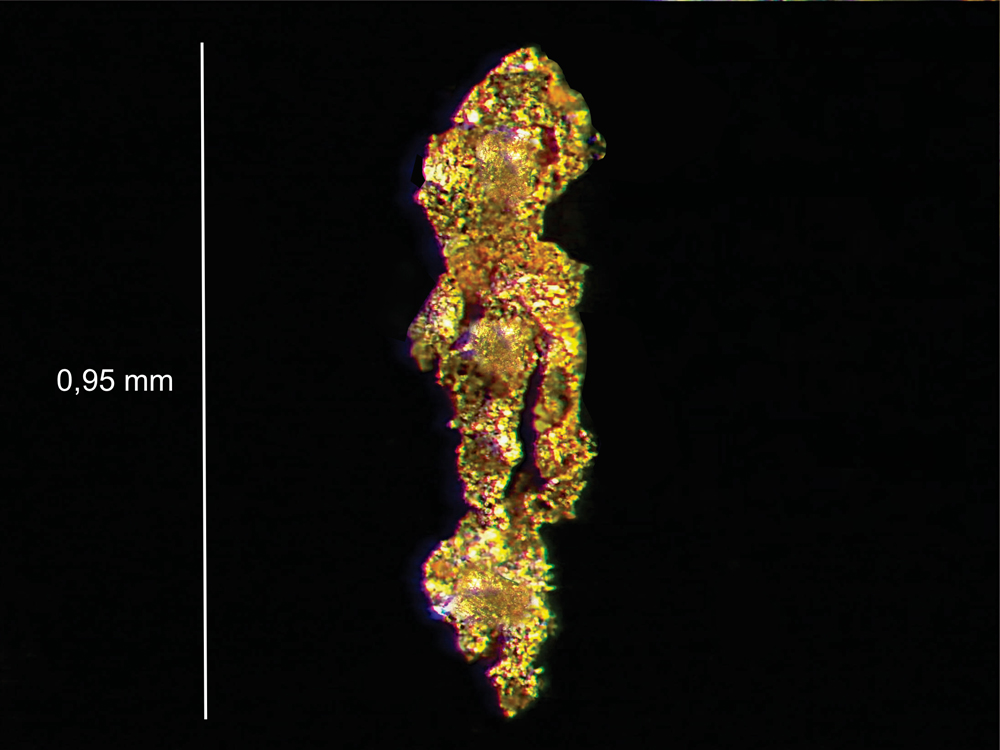
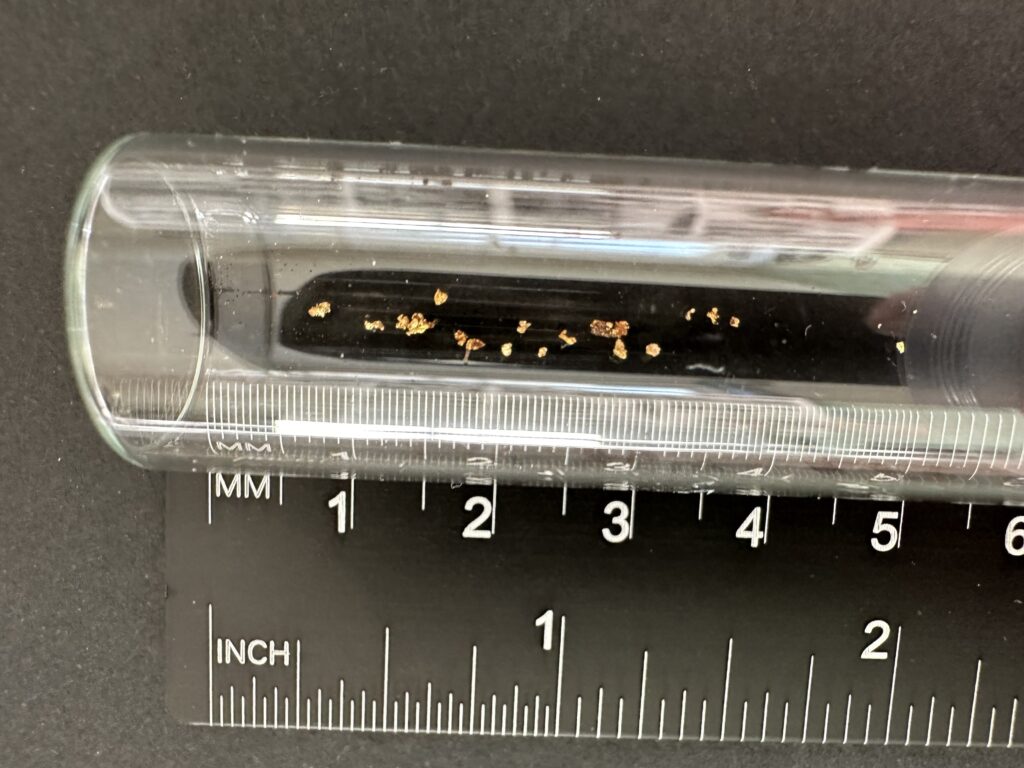
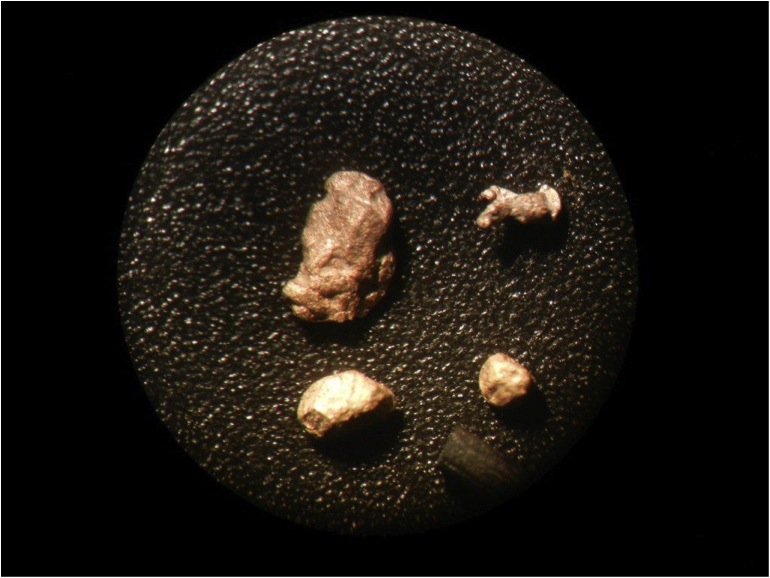
Gold grains grains from the Grondin antiform outcrop contain an average of 15% silver, a composition comparable to historical placer gold mining operations which recorded silver-to-gold ratios ranging from 12.54% to 13%.
Additionally, drill core samples from mineralized zones in the antiform structure have reported anomalous silver levels, with a silver-to-gold ratio of 23.68%. These findings suggest that silver is present both in bedrock and placer gold, reinforcing the potential for silver mineralization in the Beauce Gold property.
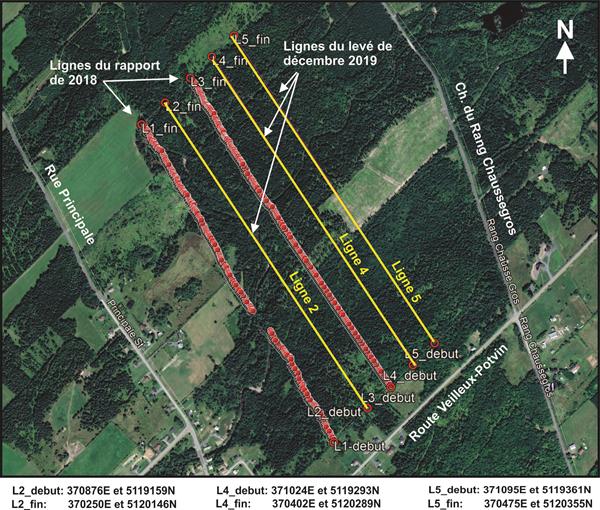
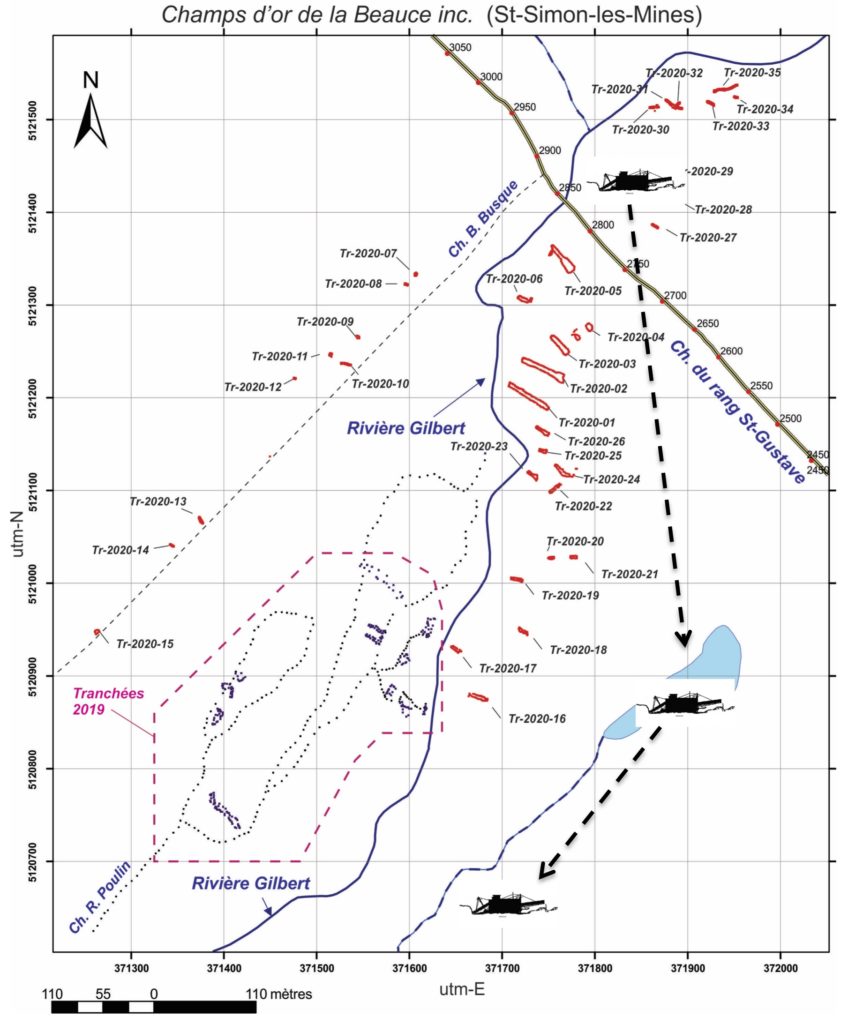
Saint-Simon-Les-Mines Project
(click to enlarge)
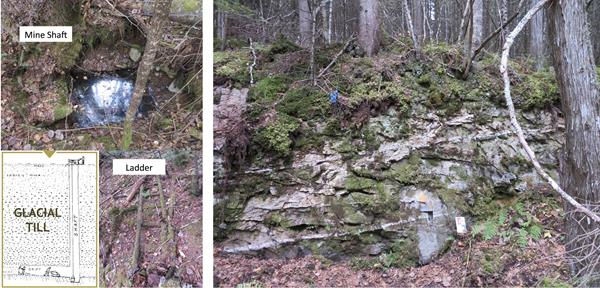
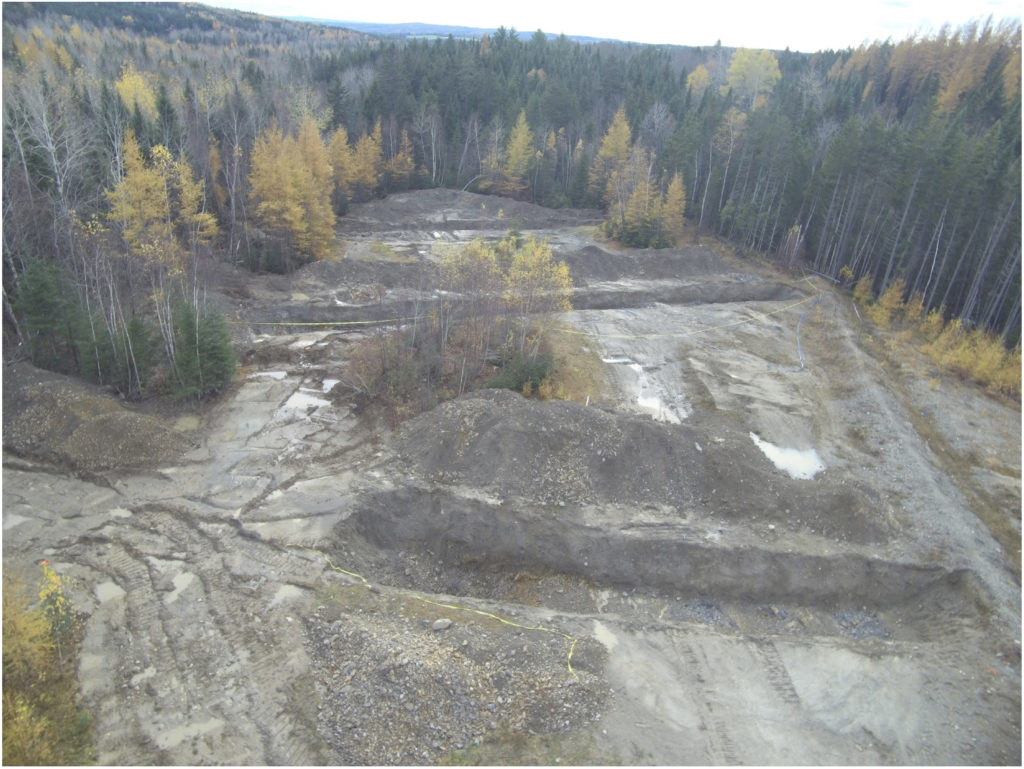
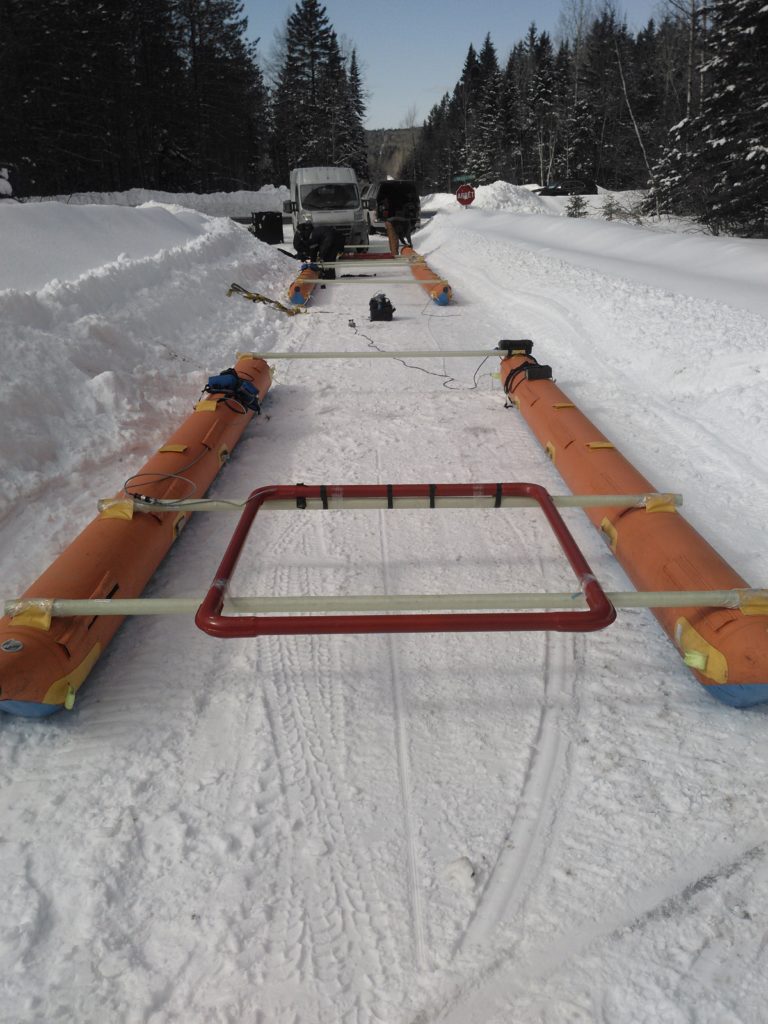
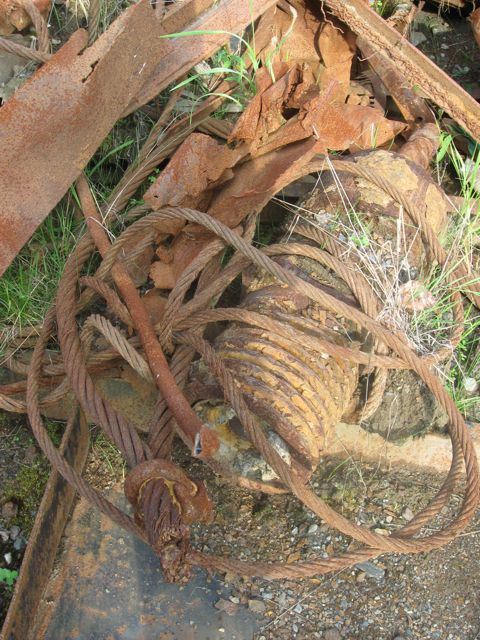
Recent Work Images
(click to enlarge)
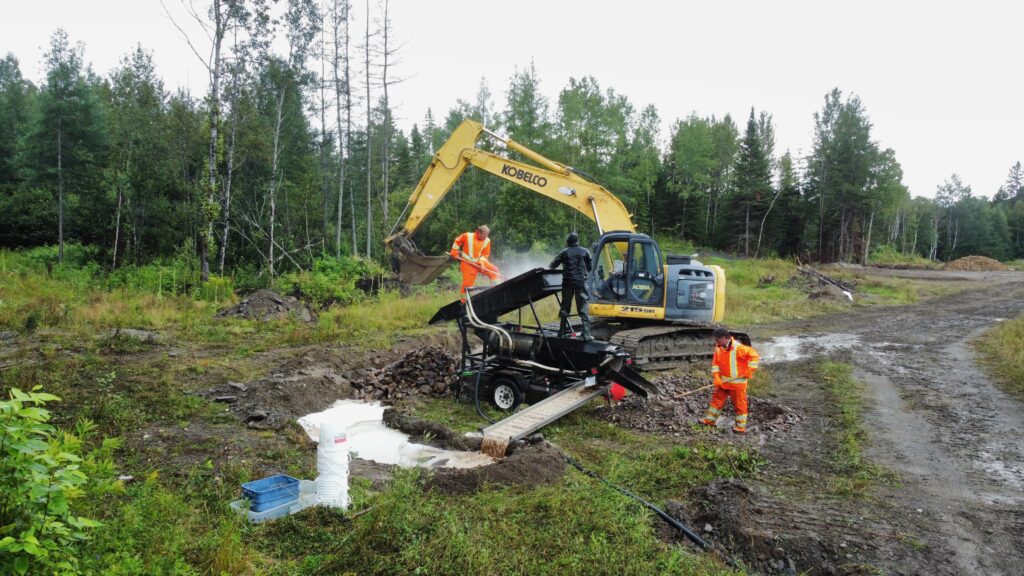
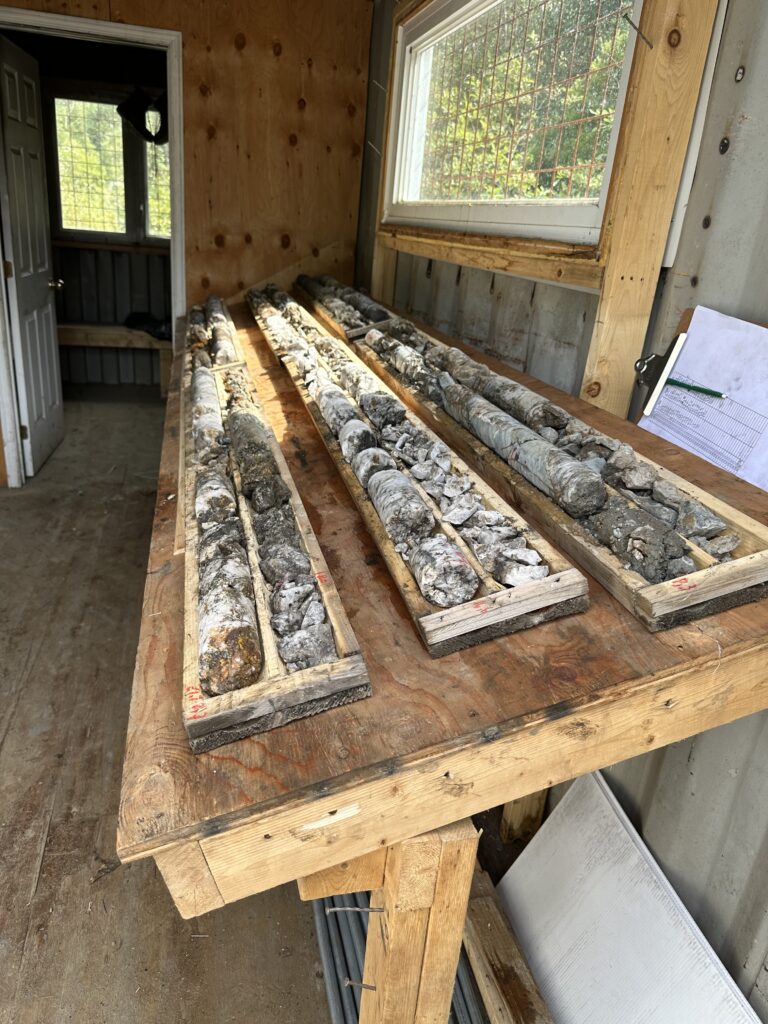
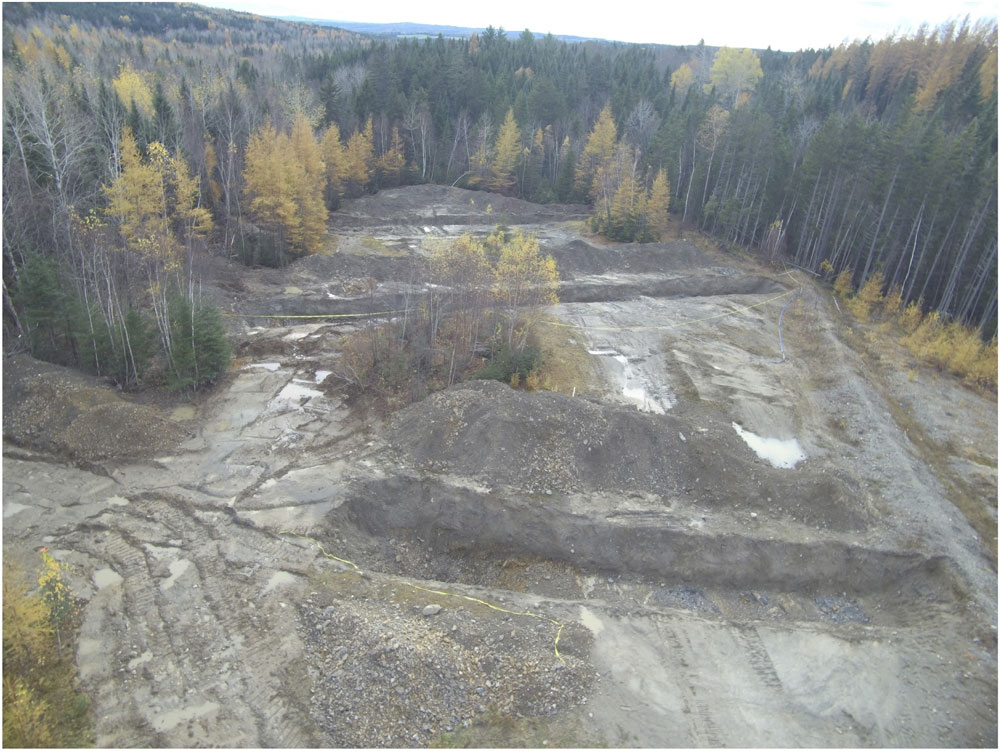
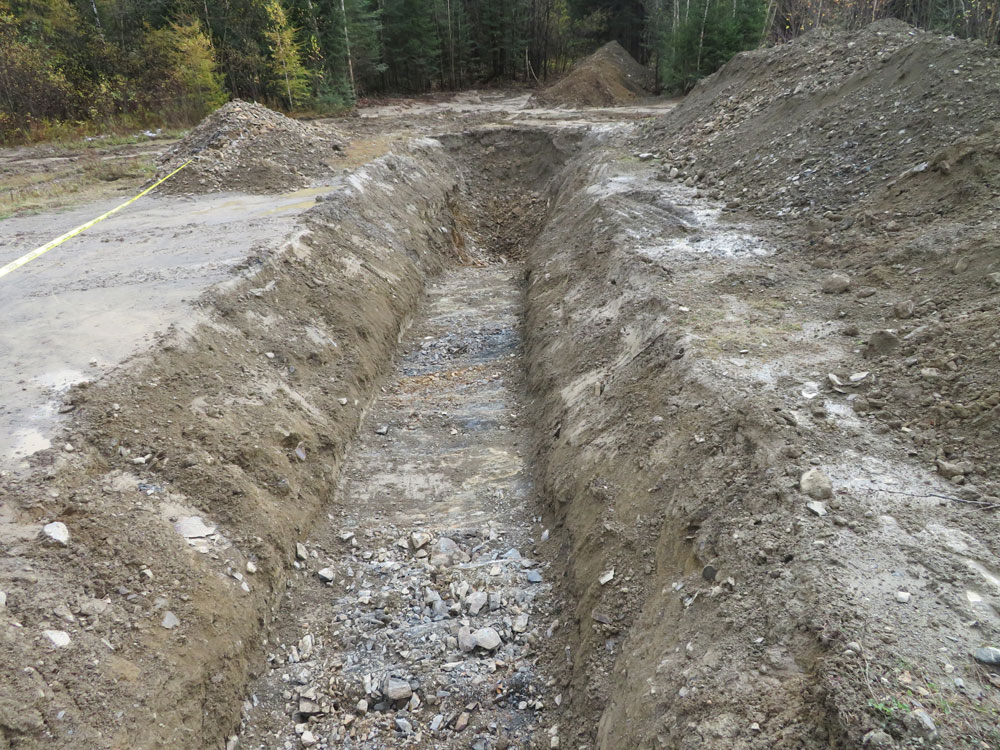
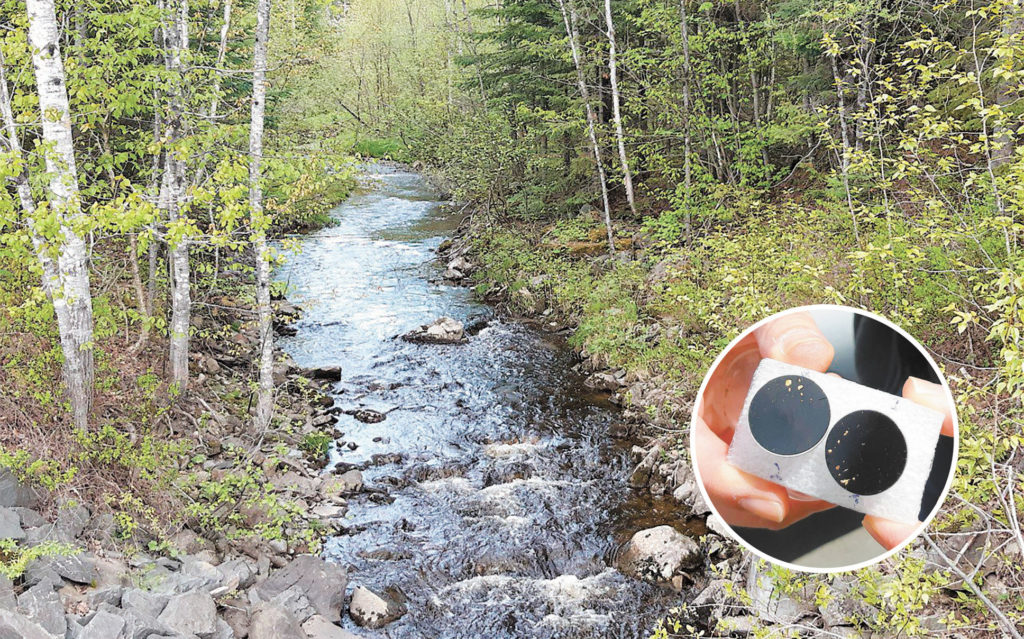

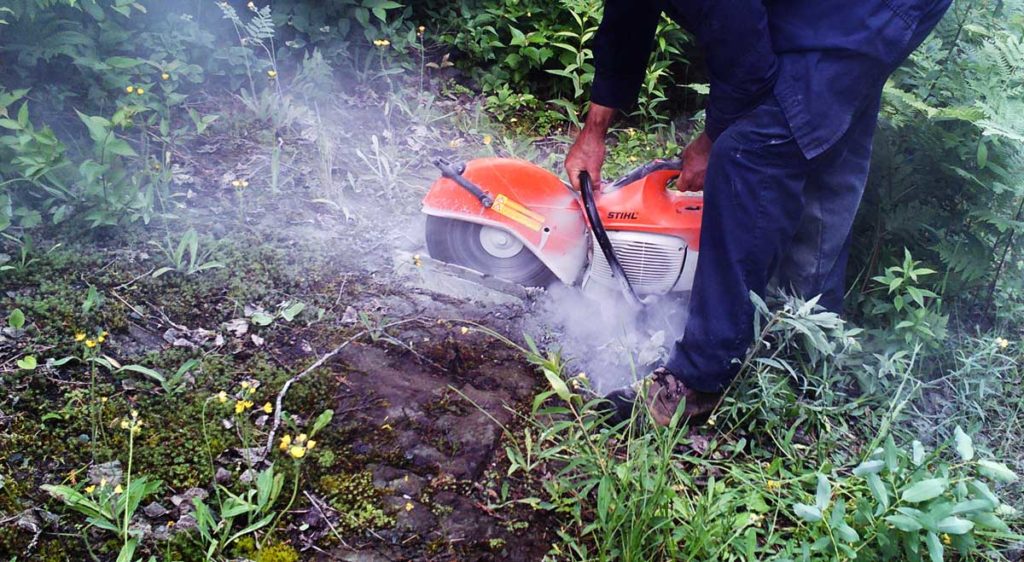
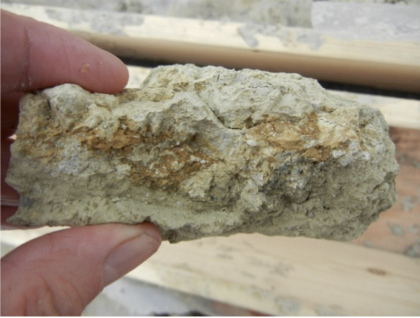

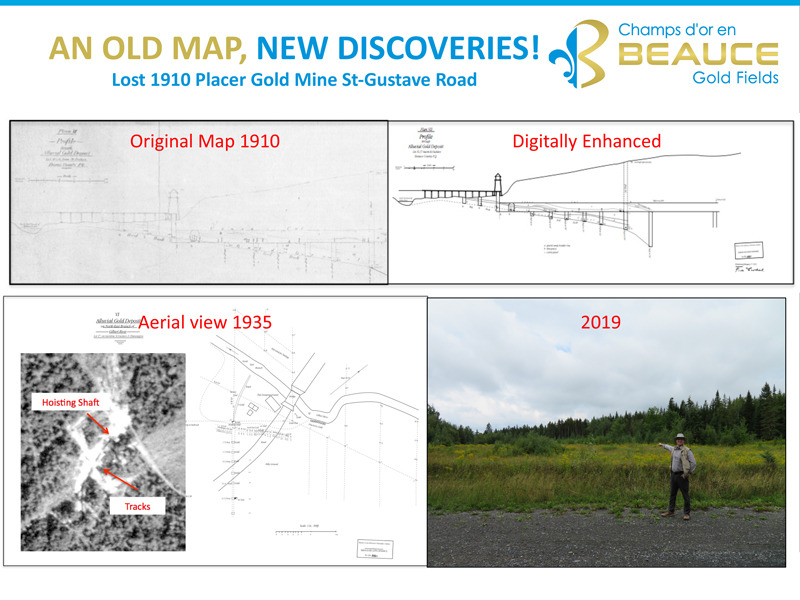
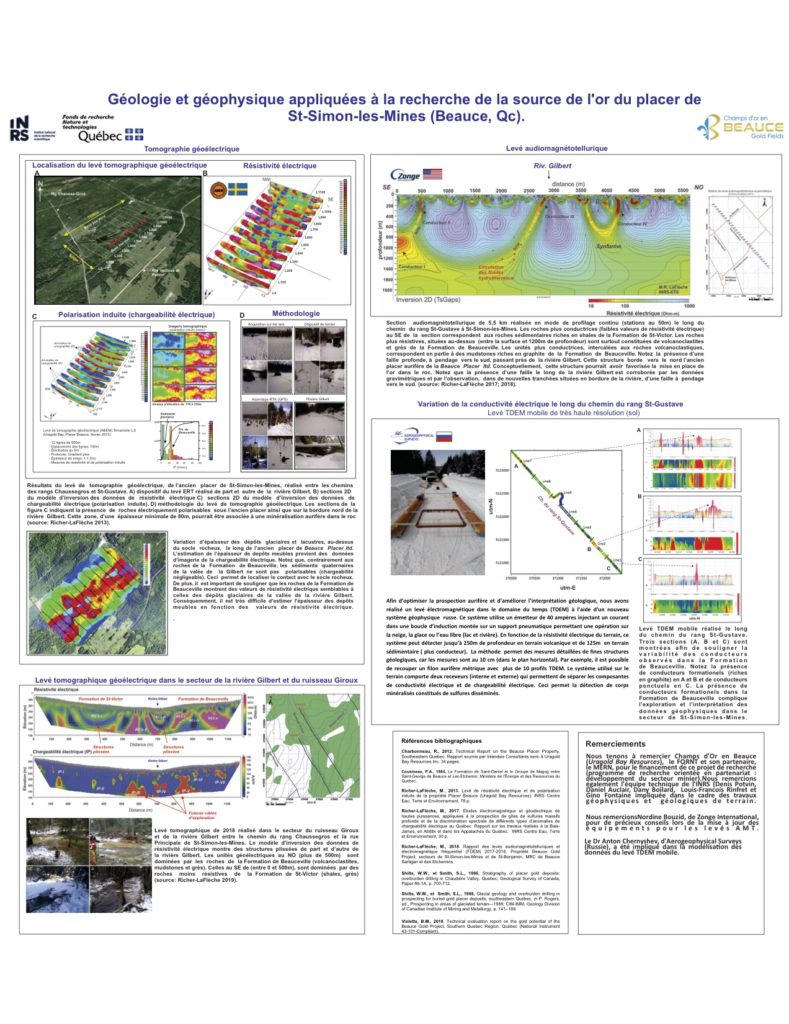

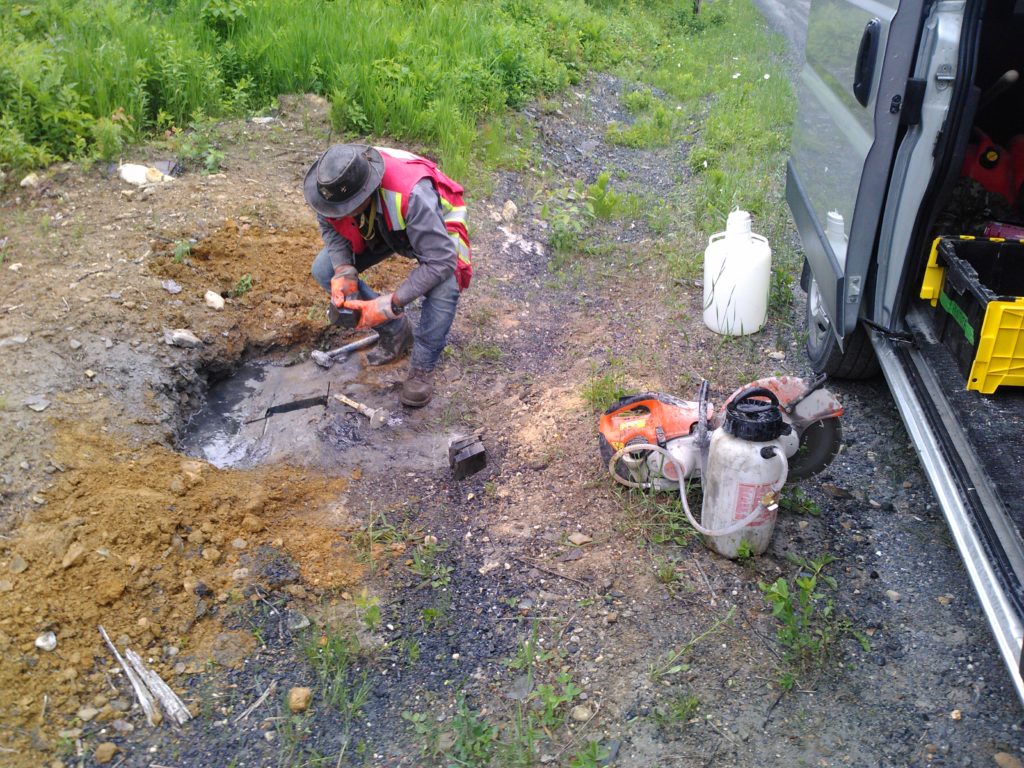
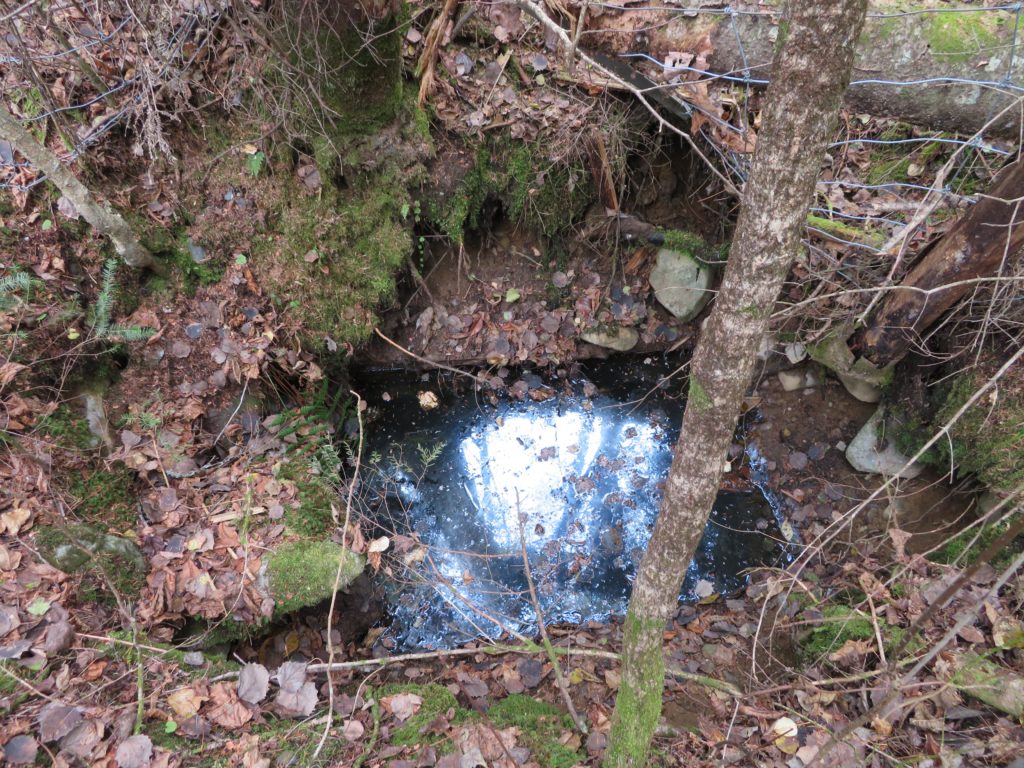

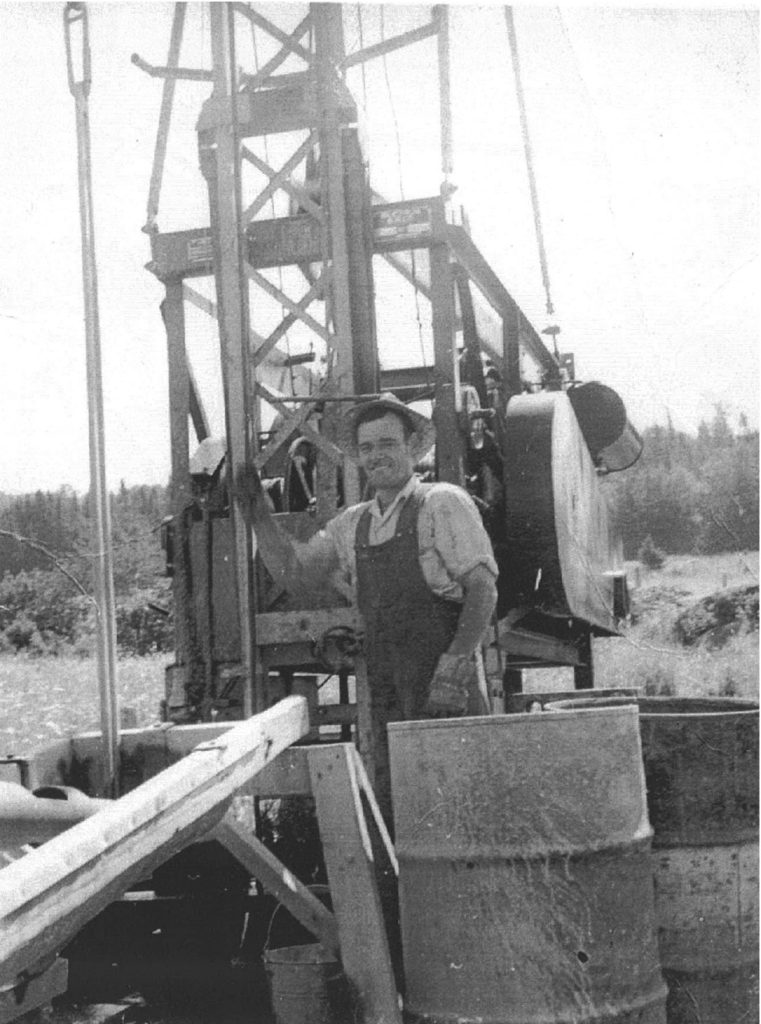
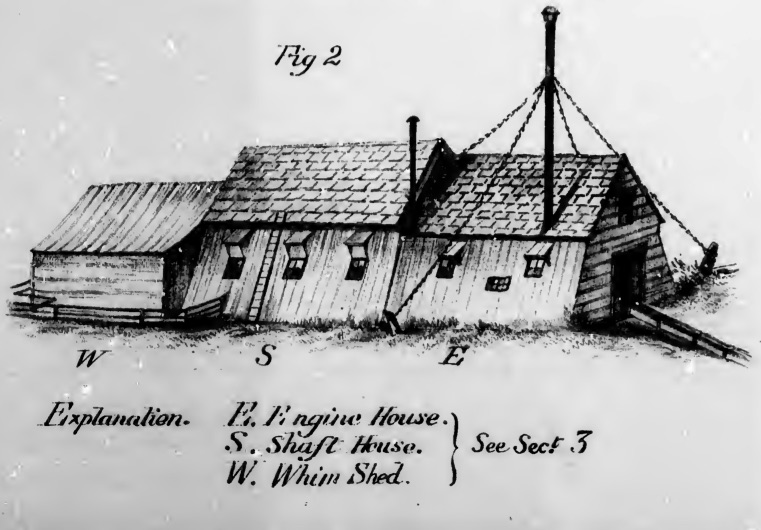
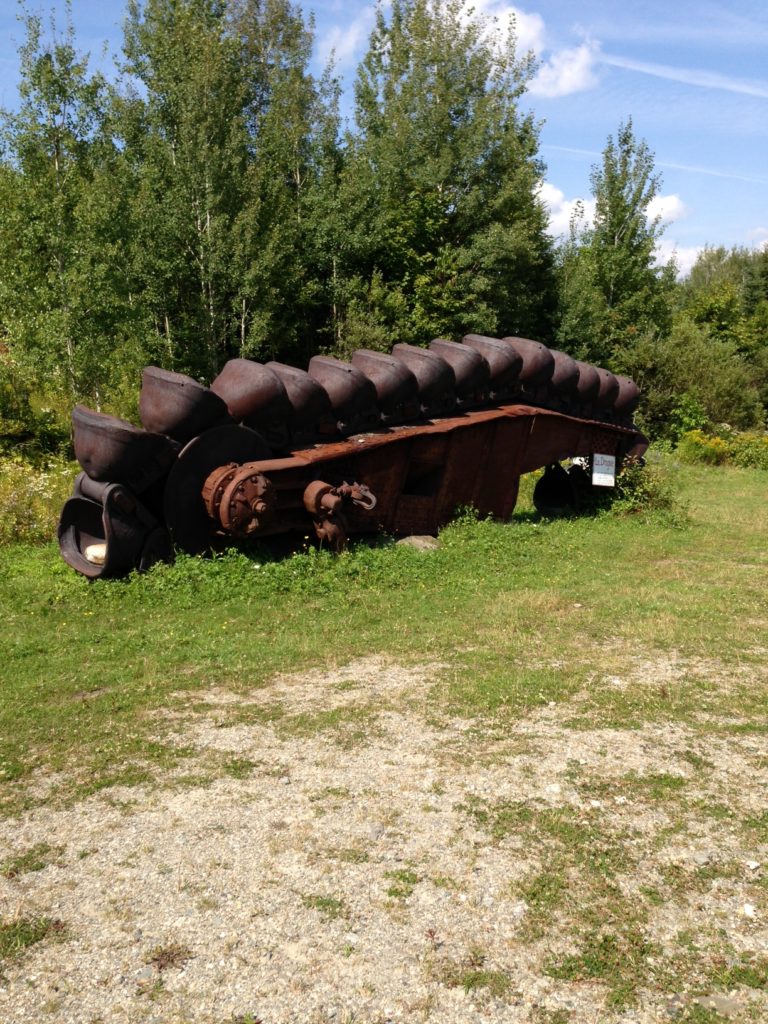
Historical Images
(click to enlarge)
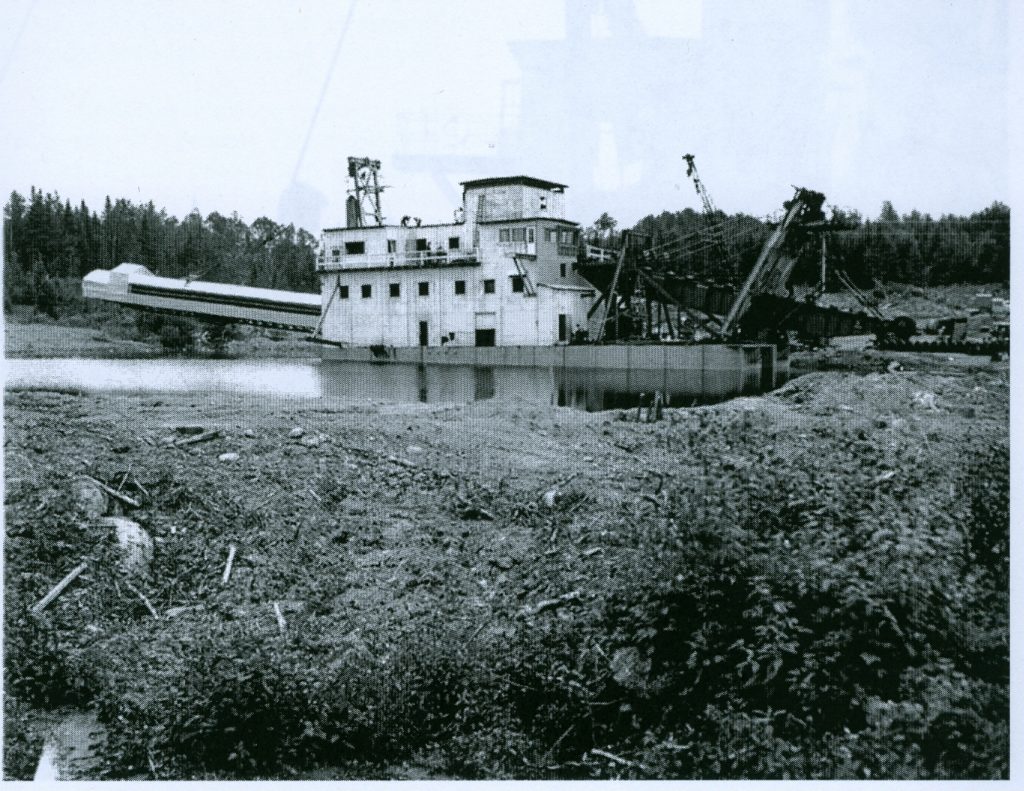
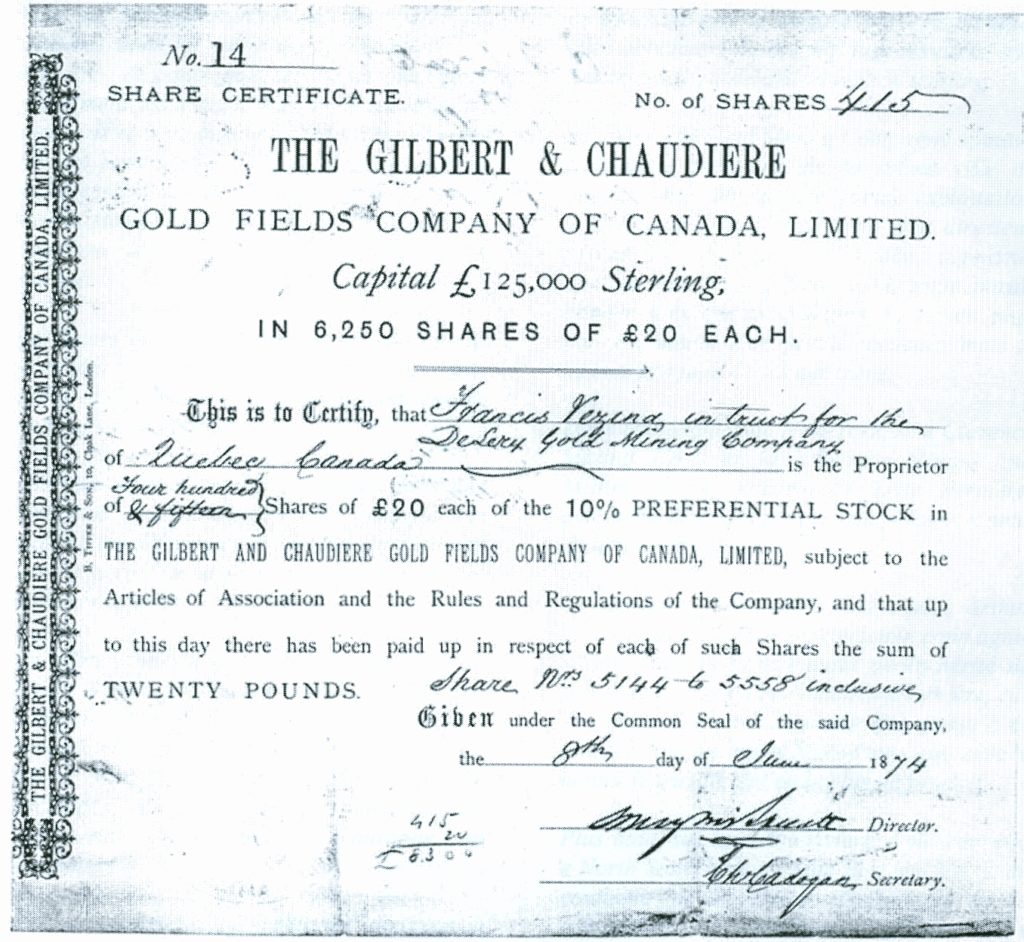
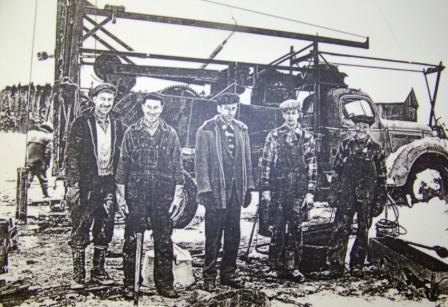

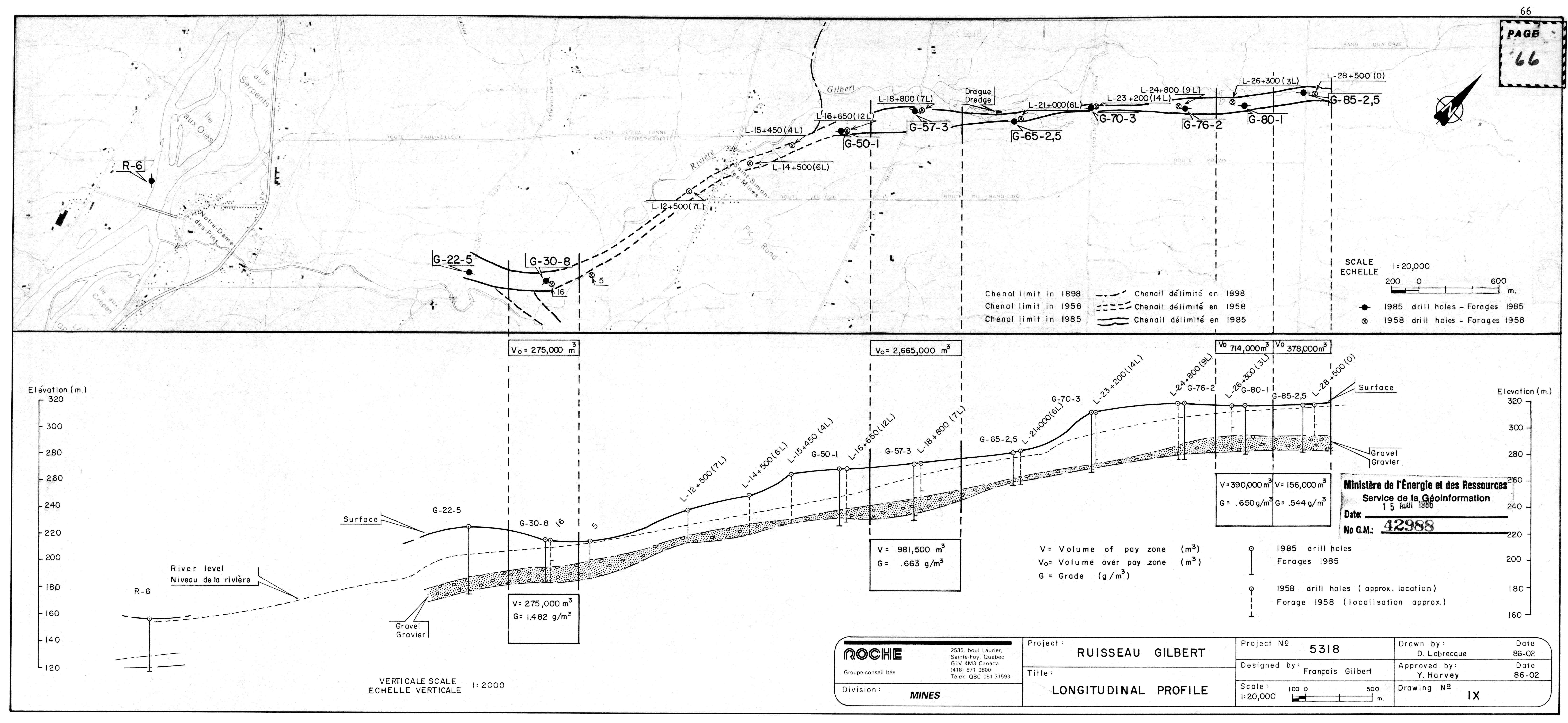
All information such as resources estimates and grades herewith presented is historical in nature and while relevant, the information was obtained before the implementation of National Instrument 43-101 and as such does not meet National Instrument 43-101 reporting standards. The historical estimate should not be relied upon until the Company can confirm them.
Corporate Information

About Our Company
Beauce Gold Fields is a gold exploration company focused on placer to hard rock exploration in the Beauce region of Southern Quebec.